On Saturday the 11th, we traveled to one of the most well known and most successful wineries in Uruguay, Establecimiento Juanico. Upon arrival we were greeted by a representative from the winery. She started out by giving the group a brief history of the land the winery is on, starting in 1745 the land was populated with indigenous people, their exchange of culture and religion with settlers brought about new customs and traditions including wine making. In 1979 the Deices family bought the land which now totals over 620 acres of vineyards. Today the winery produces a plethora of wine options that are sold all across the world. This was a new experience for many students and many including myself did not know how much went into the making of wine, but were eager to learn.
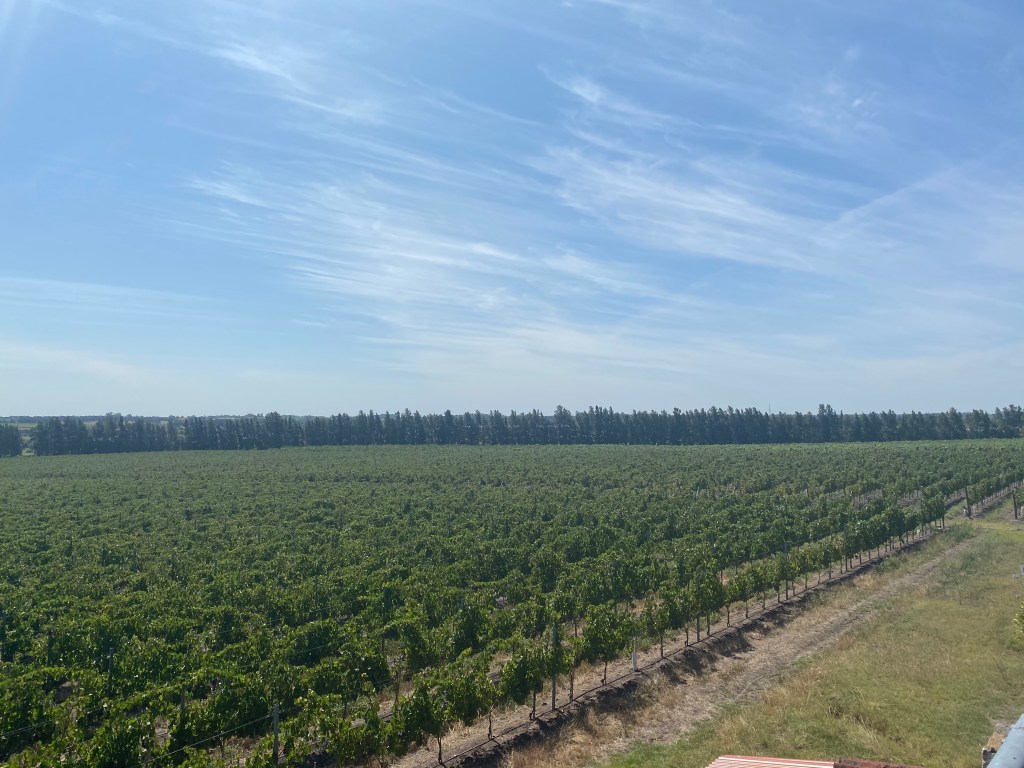
After going down a long narrow road that weaved through their many vineyards we arrived at an overlook where the students were able to see just how much property the Deices family owned. The representative from the winery harped on the importance they place on creating the highest quality of wine possible. This contributed to the amount of land. Since chemicals are not put into the ground where the vines grow, and due to the excess rain they usually receive they have to let land rest after being harvested for about 5-10 years. With the harvest season coming up the winery expects to hire 500 more people to help with the process, they chose to hand pick grapes to ensure high quality rather than using machines like most. From a business standpoint it was obvious just how much this establishment cared about their products and what they were selling to their customers.
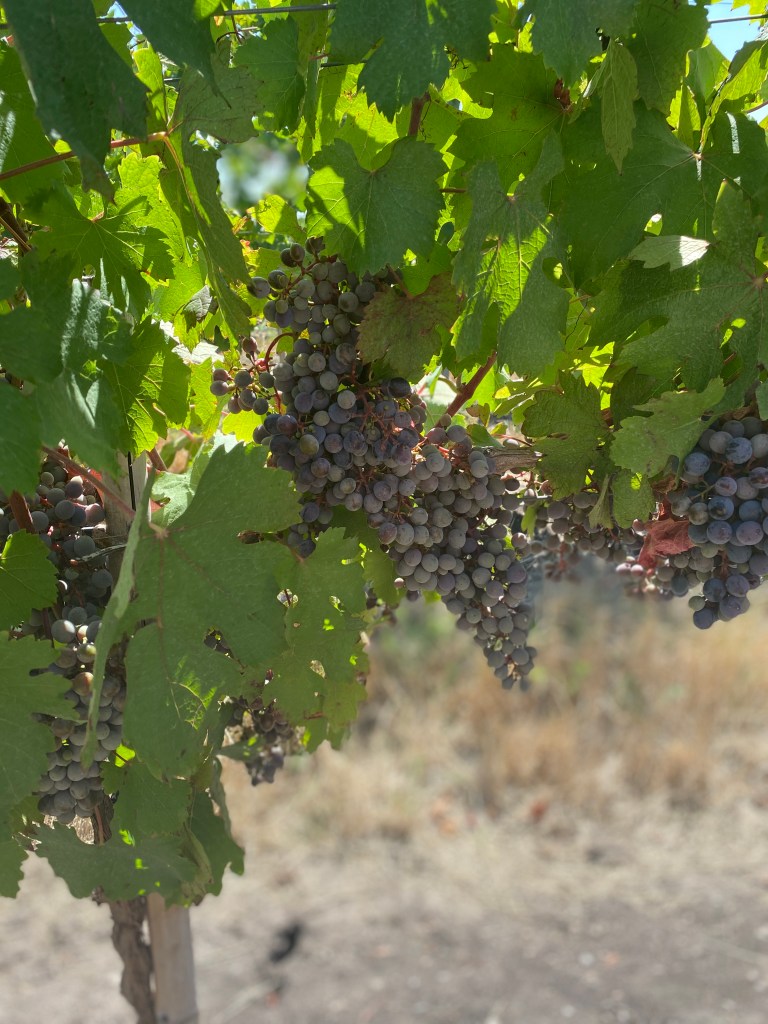
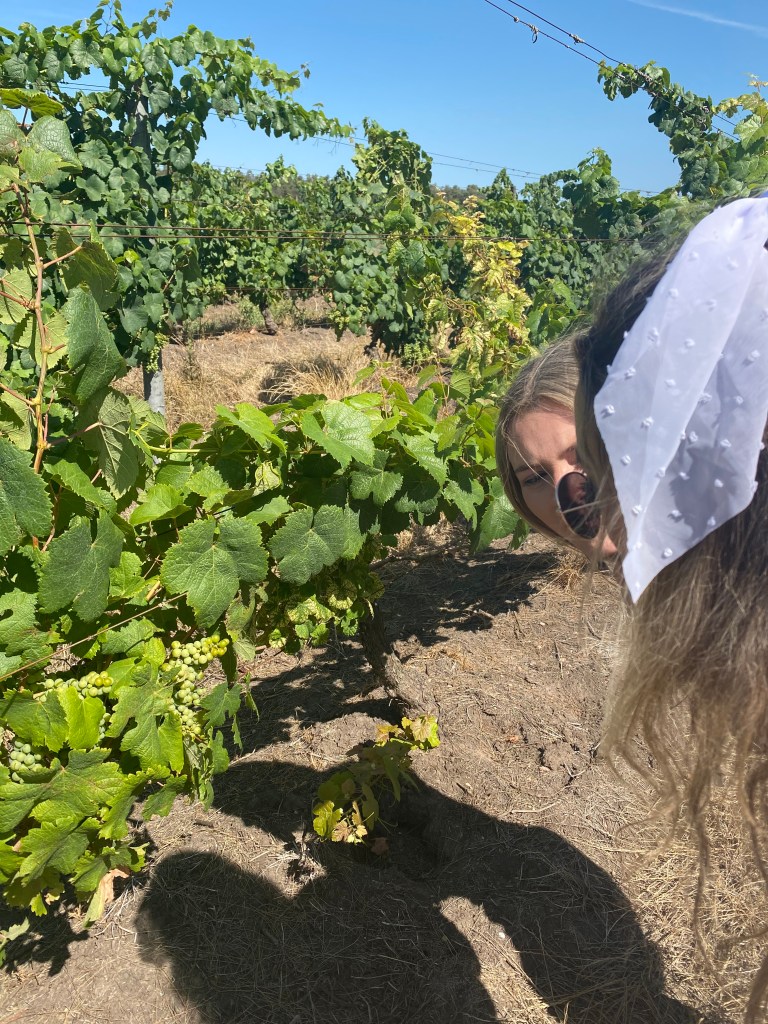
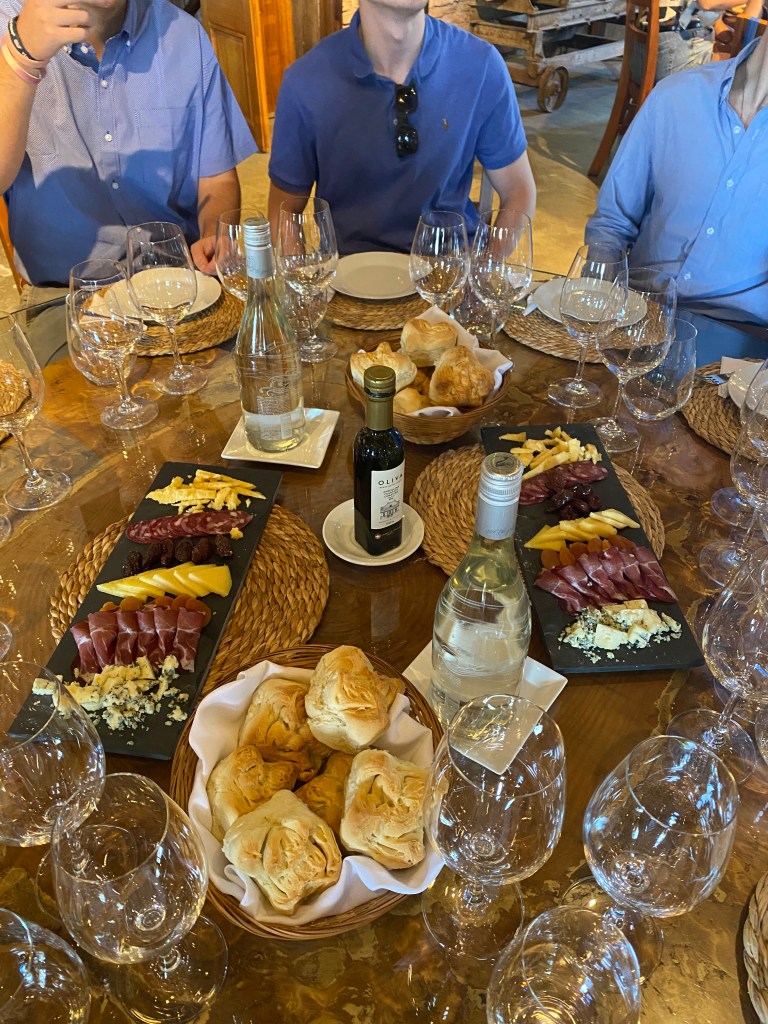
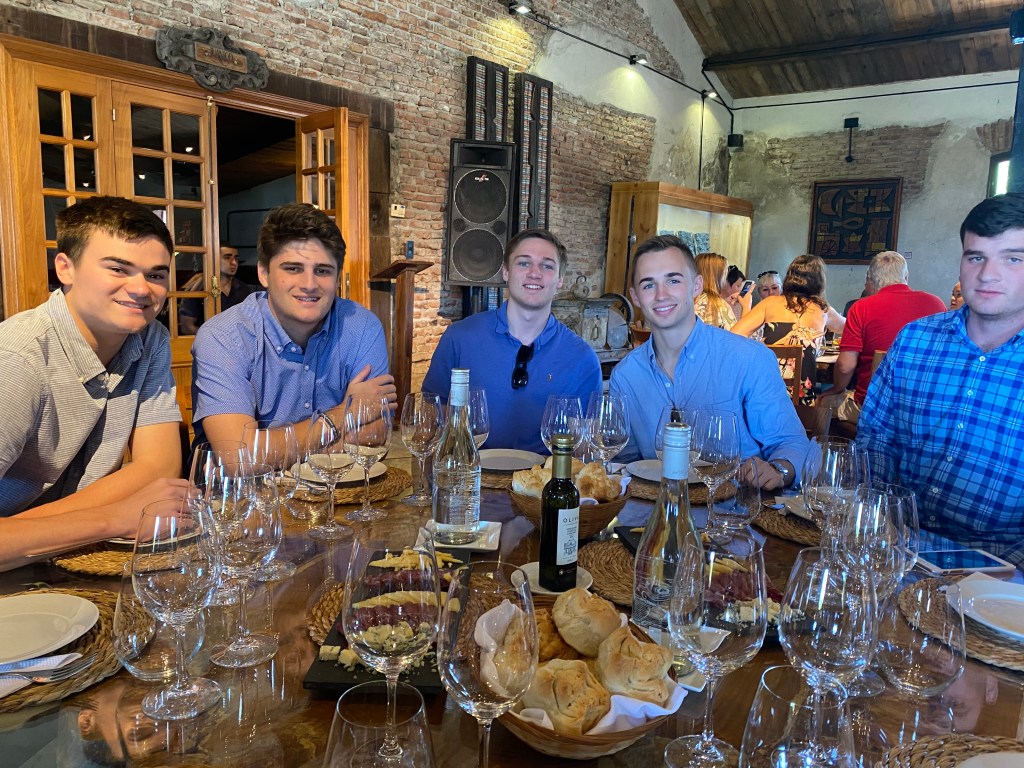
We had the opportunity to taste a sample of their most well known wines. We were seated at big round tables that welcomed conversation amongst the people whom you sat with. On the table was an assortment of fruits, cheeses and bread to accompany the wine while being sipped. The first thing we were explained was the correct way to both hold and taste wine, step one was to smell, step two was to swirl and step three was to taste, all while holding the glass by the stem so your hand does not end up effecting the temperature of the wine. The first wine we received was a white wine called Sauvignon Blanc, students at my table seemed to like this wine because it was not too bold. The second wine tasted was Tennat Rosè which seemed to be more bold but not too much flavor, as it could be “paired with any meal.” Third and forth wines tasted were more complex and had an array of ingredients creating a longer lasting aroma. The last wine tasted was their Tennat wine, this was the original and only wine they produced starting out. It was extremely bold and bitter but many liked it and ended up leaving with a bottle.
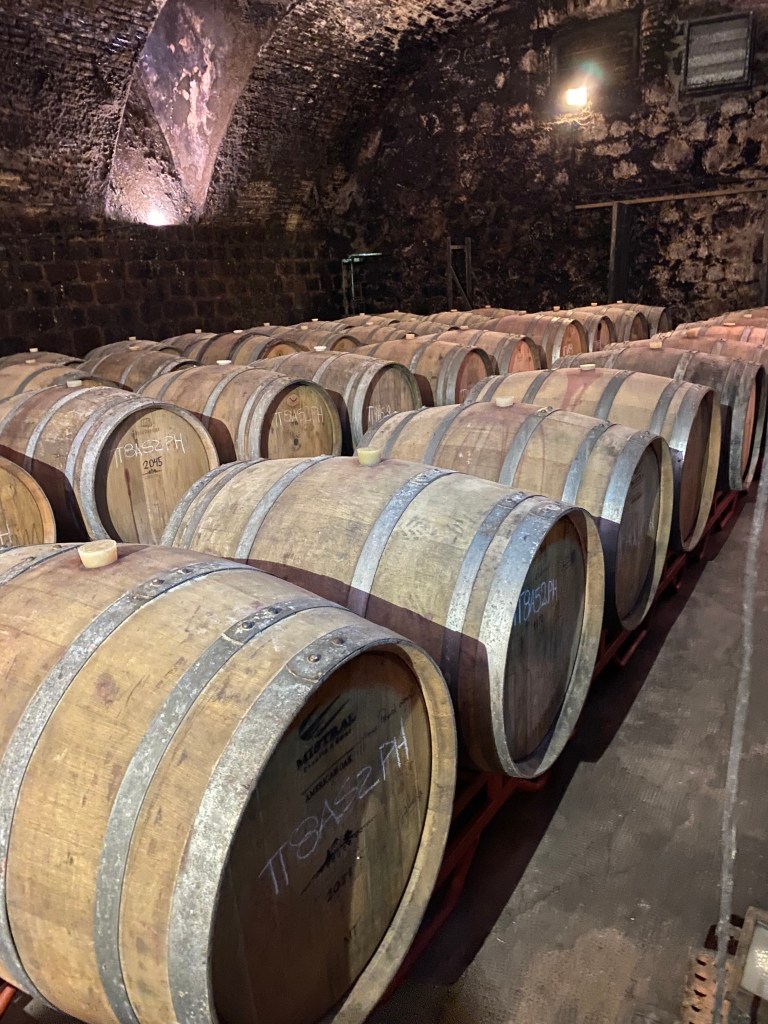
Leaving this event, we all seemed to be surprised at how much wine making required and as Mariana Belocas stated “it is more of an art than anything else.” This experience was definitely a once in a lifetime opportunity, as we learned not only about wine but about different values businesses have in different cultures.
 SIE 2020, Latin America