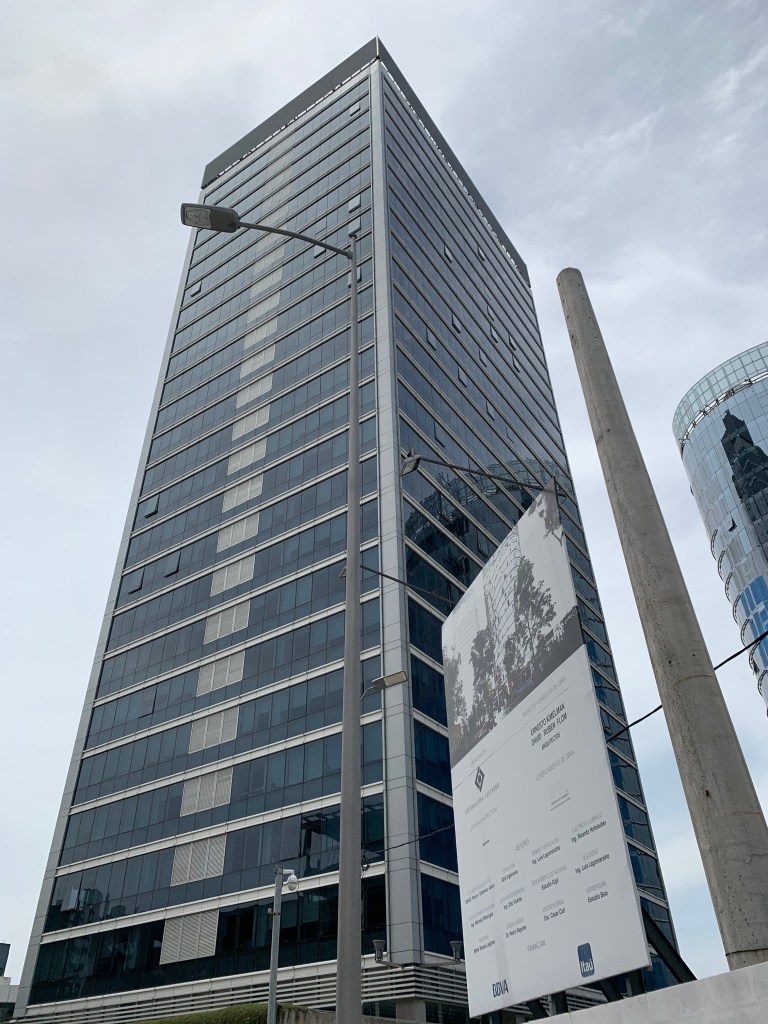
WTC Montevideo Free Zone

Early this morning our group arrived in Uruguay, a couple hours later we ventured off to the World Trade Center in Montevideo. Being our first day in a new country, excitement was high despite the early wake up. 

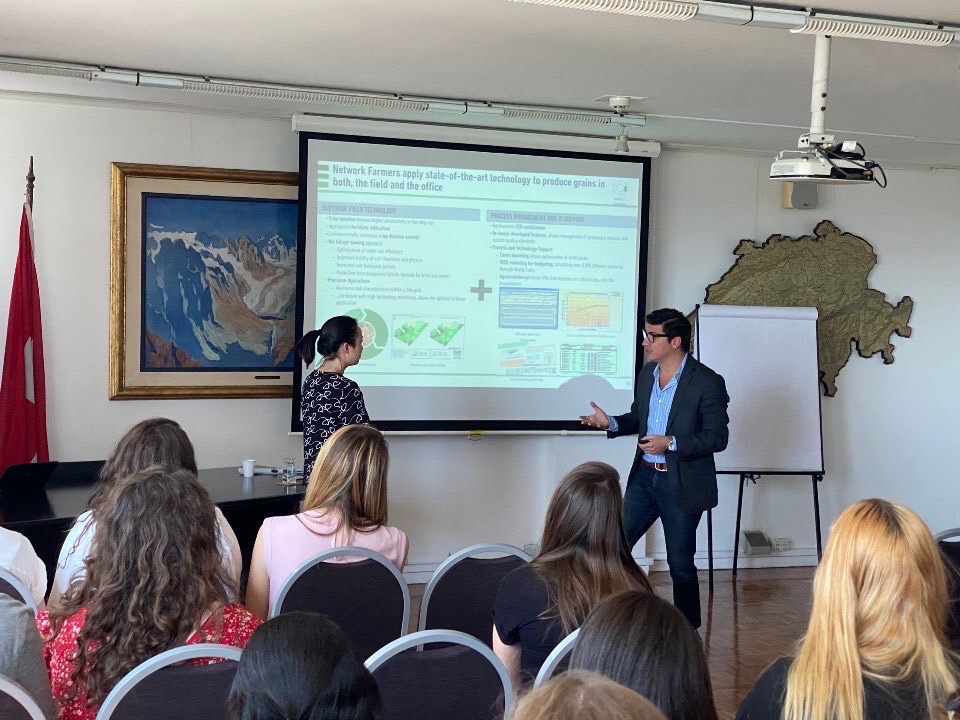
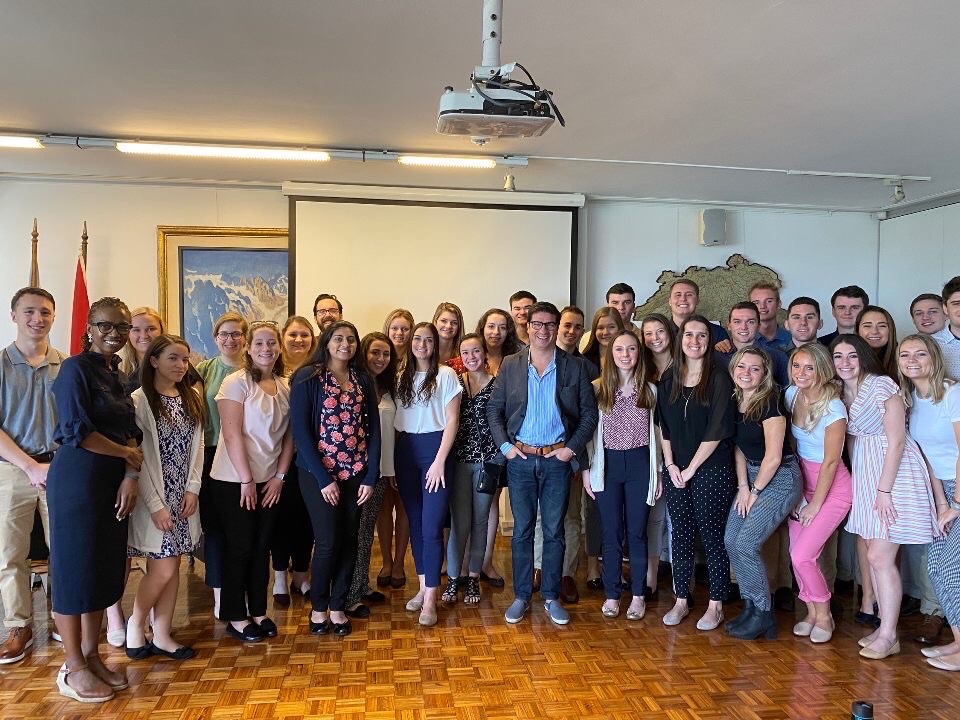
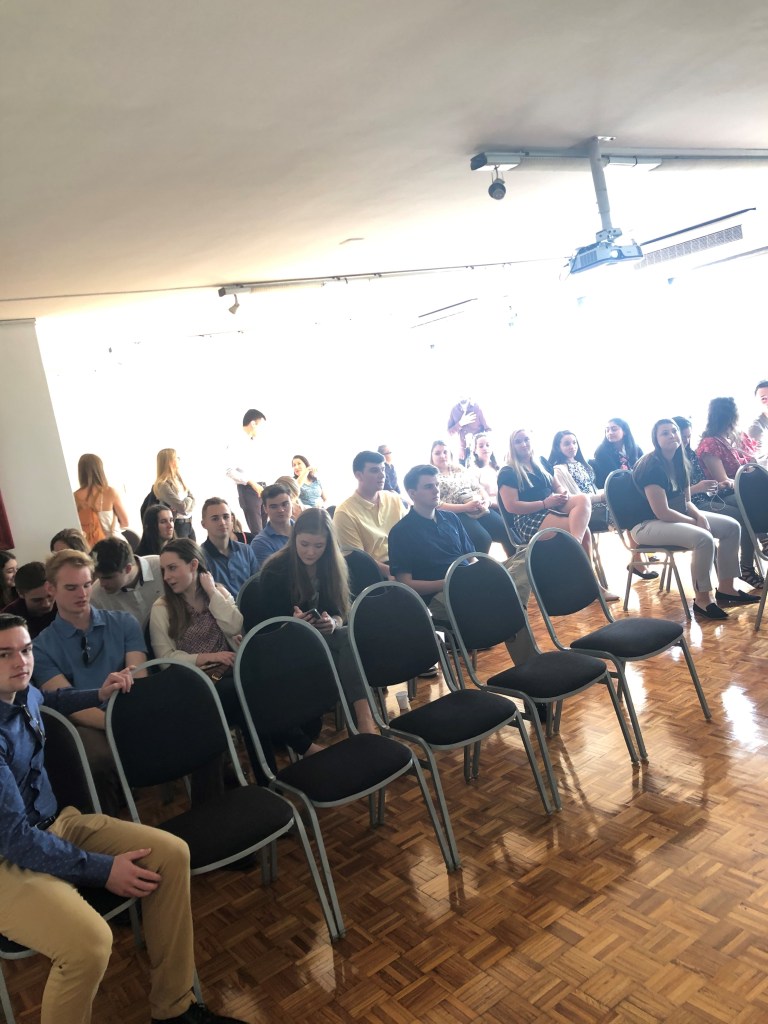
Alejandro Theodosopoulos, a lawyer who works in the WTC Free Zone legal department, gave us a talk today and answered a bunch of our questions. 

Uruguay decided to become a free trade zone mainly to attract foreign investments. This allows companies to be totally exempt from taxes in the country. This frees them of double taxation, which is a huge advantage to companies. This free zone also does not make companies pay import dues. With these tax breaks, it convinces companies to work out of Uruguay, therefore helping the economy. 

Many of the students in our group happen to be International Business Majors, including myself. We all paid close attention to this presentation as it was very informative to our future careers. This talk provided me with answers to many questions my classmates and I had. It is amazing to be able to get an inside perspective to someone who works in this building and deals with international trade everyday. Being able to connect and form relationships with these intelligent, well-rounded people is something none of us take for granted. 

It was said that some of the top companies who take advantage of Uruguay’s free trade zone are financial, such as offshore banks and financial advisory services. This directly applies to the students on the trip studying finance. This gave the students a global perspective on the subject, opening their eyes to more than just domestic companies. 

Going global and working in other countries is something that a lot of people fear. It is scary to experience the unfamiliar. But I believe today changed a lot of student’s perspectives. Many students today left questioning the normal and wanting to expand their horizons. 

After the presentation, we got to experience something unexpected and beautiful. We had the opportunity to stand on the helicopter pad at the very top of the building. This view was absolutely breathtaking. Being able to see the city from a different perspective really showed us the beauty of this South American gem of a country. 
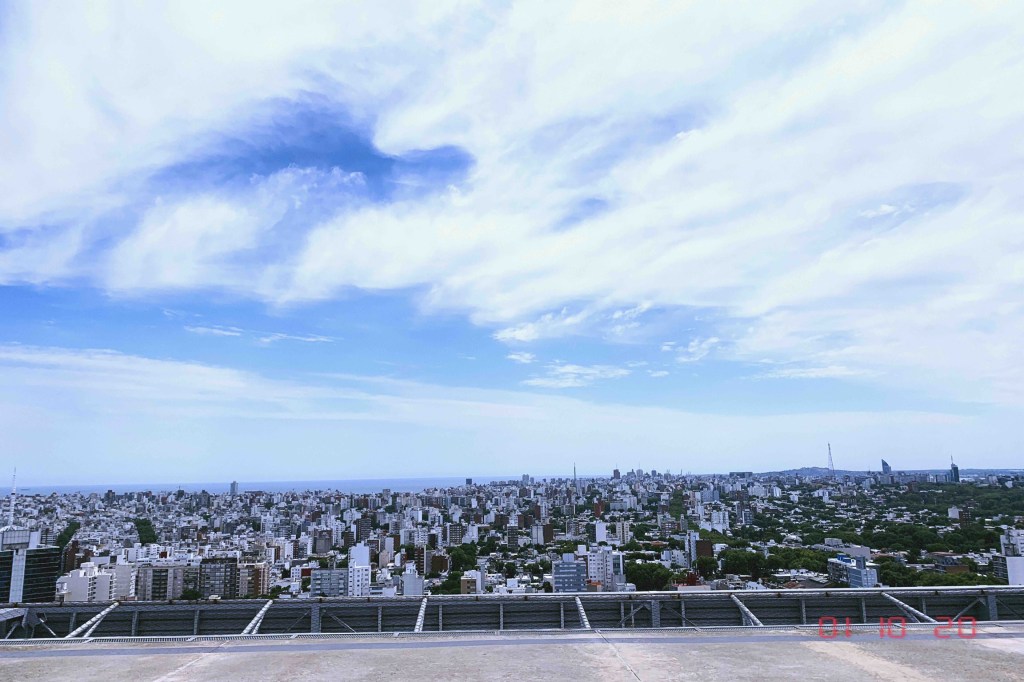
This day in Montevideo is one that my classmates and I will not be forgetting. It gave us different perspectives, literally and physically. 

-Hannah Sutton

Welcome to Montevideo!

Hola from Montevideo, Uruguay! The extremely early 5AM check in was a tough time for everyone in the group, we all knew it was worth it because today we were finally going to Uruguay! Tired eyes filled the bus as we traveled to the Buenos Aires port to board a ferry.

Waiting to check in to ferry

Everyone was excited that we didn’t have to take a plane and were going to experience a different form of transportation. The two hour ferry ride was a breeze and next thing we knew it we were stepping foot into our second country of the trip!

While we were sad to leave Argentina for now, we all were so excited to get to experience a new country. During our time in Uruguay we will be learning about the economics and their unique free trade zones as well as seeing how Uruguayan wineries are run and visiting a University. As well as having some fun when we go to Punta Del Este which is a huge vacation destination for South Americans! On our ride to the hotel we were informed about the culture and interesting facts about the country. In Uruguay, the population has begun to shift as elderly people are looking to move from neighboring countries to settle here  in Montevideo because of the beautiful scenery but especially for the low taxes.

Rio de la Plata

On our ferry ride, we crossed the Rio de la Plata or  “River Plate” which is known as the widest river in the world! It’s called plate because plate means silver it was used as access to the silver trail when the Europeans were in search for gold and silver in Bolivia and Columbia.

After a short ride from the port we arrived at our hotel the Aloft hotel in Montevideo.

Aloft hotel lobby in Montevideo

Upon arrival we were all hungry and ready to get out and try what Uruguay had to offer. We were shocked at the prices because we noticed the exchange rate here is much stronger than Argentina’s. In our short time we’ve been here we’ve noticed that Uruguay’s economy is much more stable than Argentina. In Argentina they have restrictions on how much American money they can have. With that being said they have many different exchange rates as our group noticed because you got different amounts of money depending on where you exchanged your dollars. We have learned that we have to be aware of where to exchange our currency to get the most for our dollar! Though we did have to shell out a few more dollars for lunch than we were used to back in Argentina, it sure was worth it.

We’re all looking forward to making the best of the time we have here in Uruguay before we have to return to Argentina for the final leg of our trip!

Adios!

Kim Curtin

Hogar El Alba

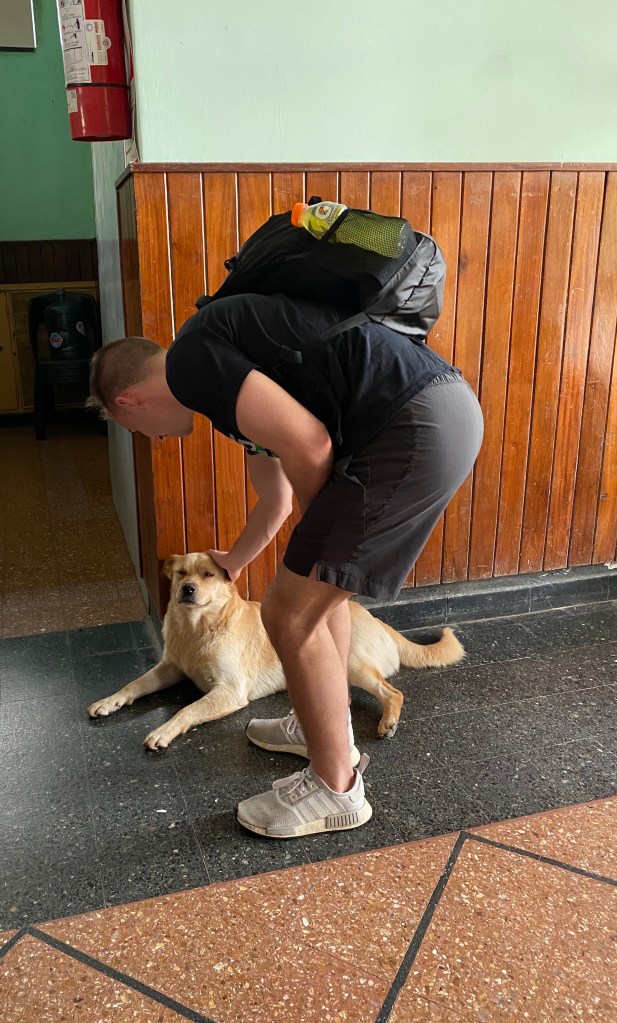
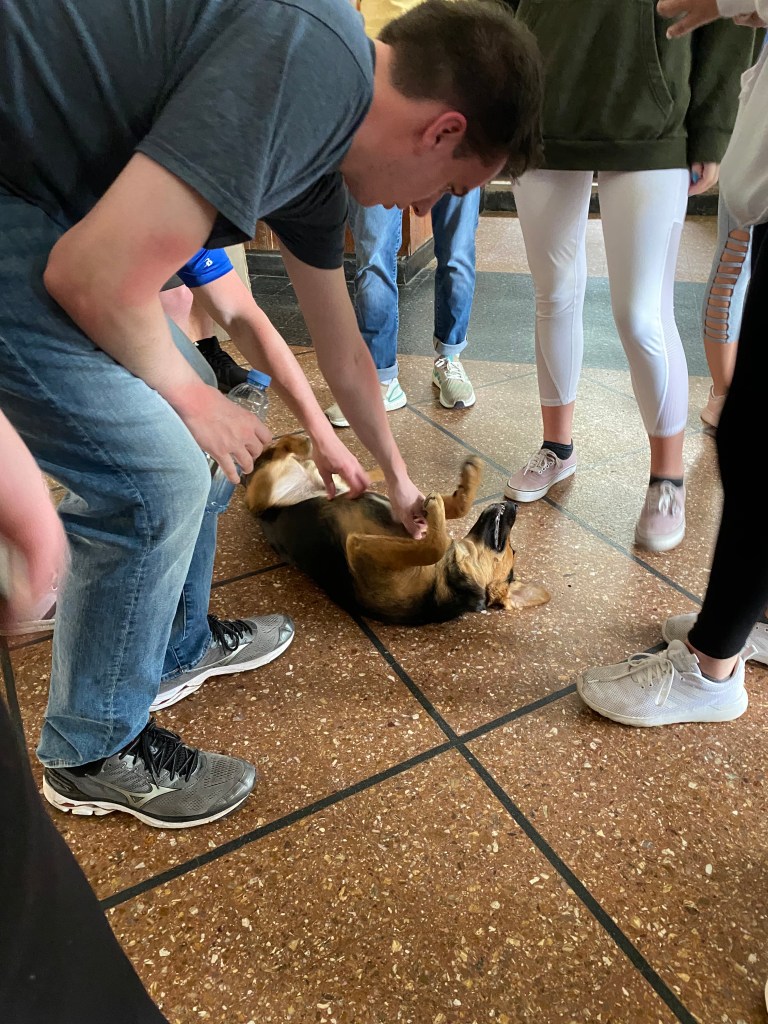
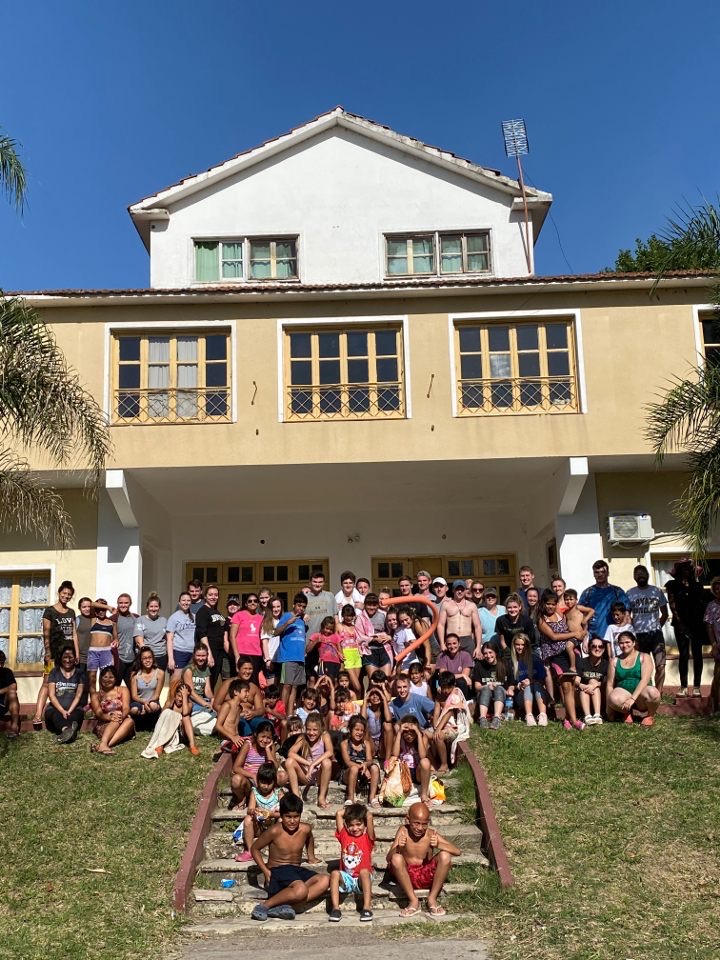
After months of fundraising for Hogar El Alba ( Home of the Dawn), we finally were able to meet the children and adults at this Argentinian orphanage. Many of us were looking forward to this visit, as we wanted to help out the children as much as possible. Driving into the orphanage, stray dogs greeted us and ran along side our bus. They received a lot of attention during our visit!

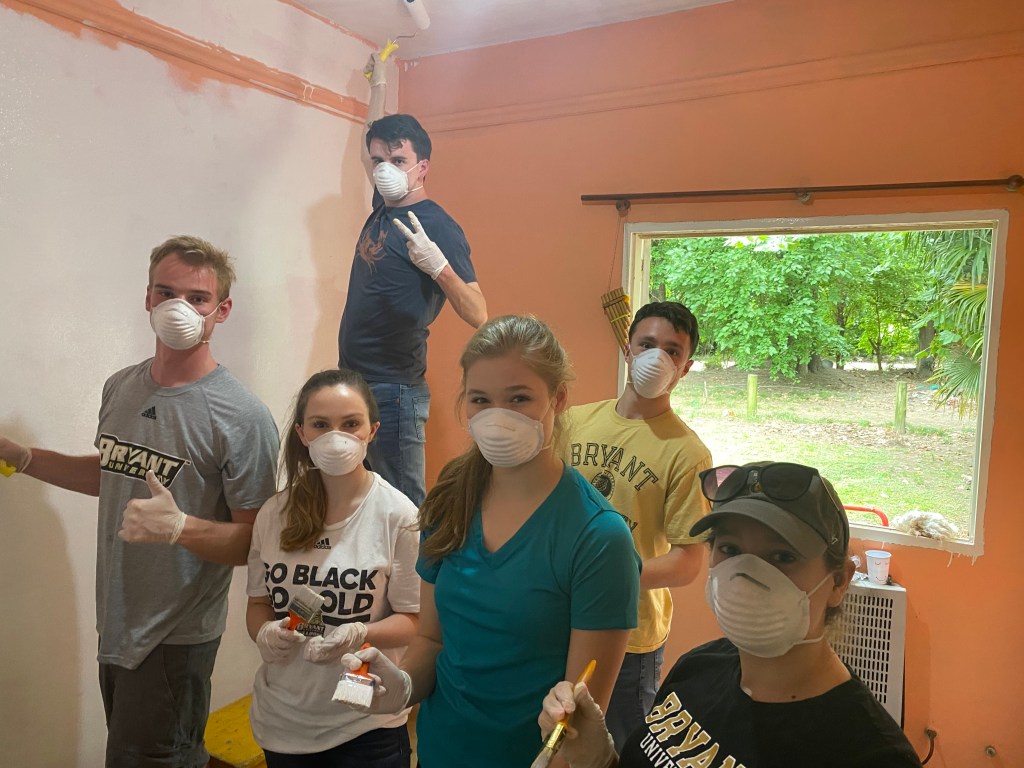
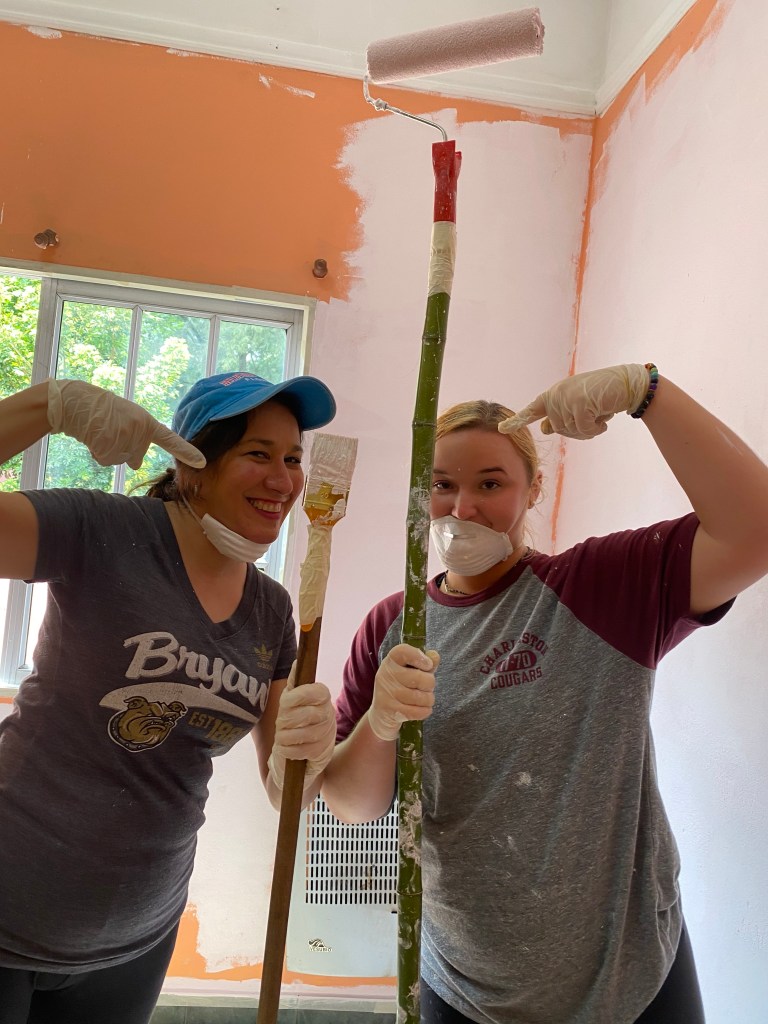
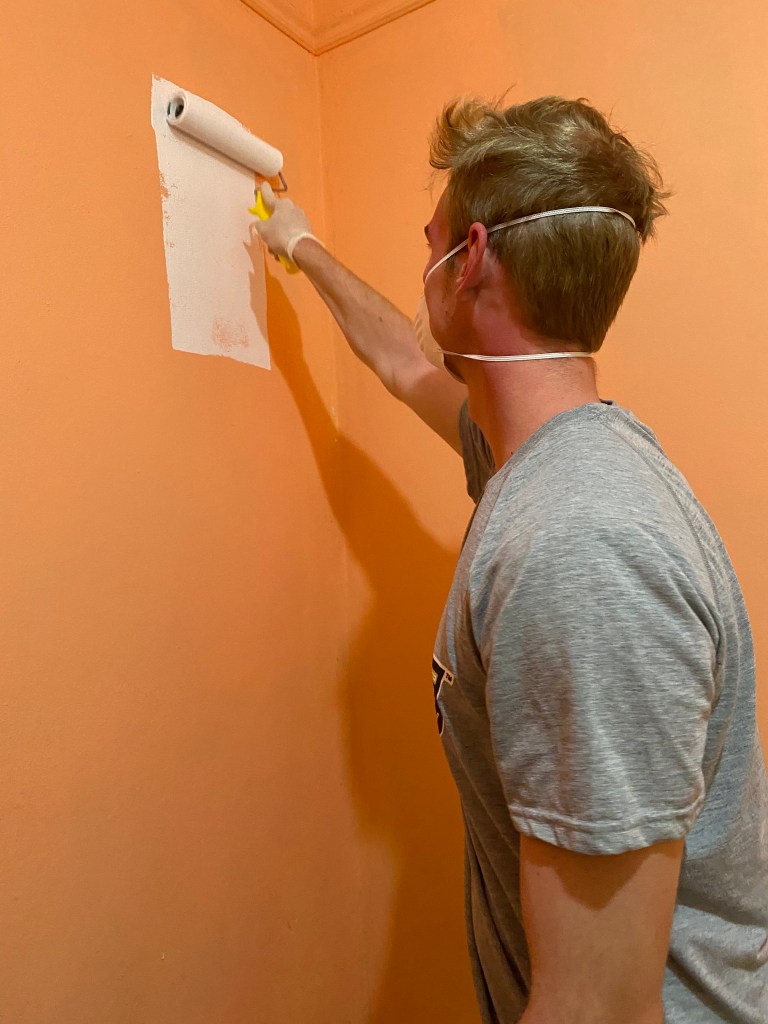
The first half of our visit consisted of completing our assigned tasks designated to us by the orphanage, ranging from designing and painting a mural to painting a dining room. My team and I chose the task of painting the bedroom of Martín, a boy who recently received a liver transplant and had complications. Helping out the orphanage was a rewarding experience. Knowing we were helping Martín made my group and I happy as we made one less complication for him. 

After completing our tasks, we were informed what we completed in two hours would have taken the hogar at least ten days on their own. After completion and a lunch of empanadas,  we were able to meet and play with the kids! 

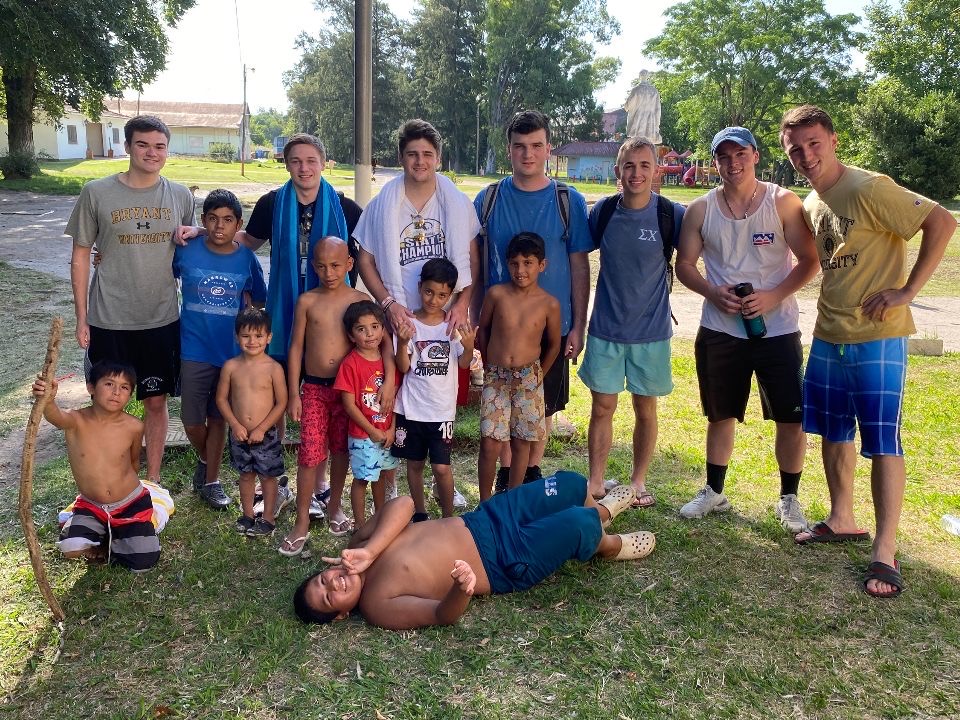
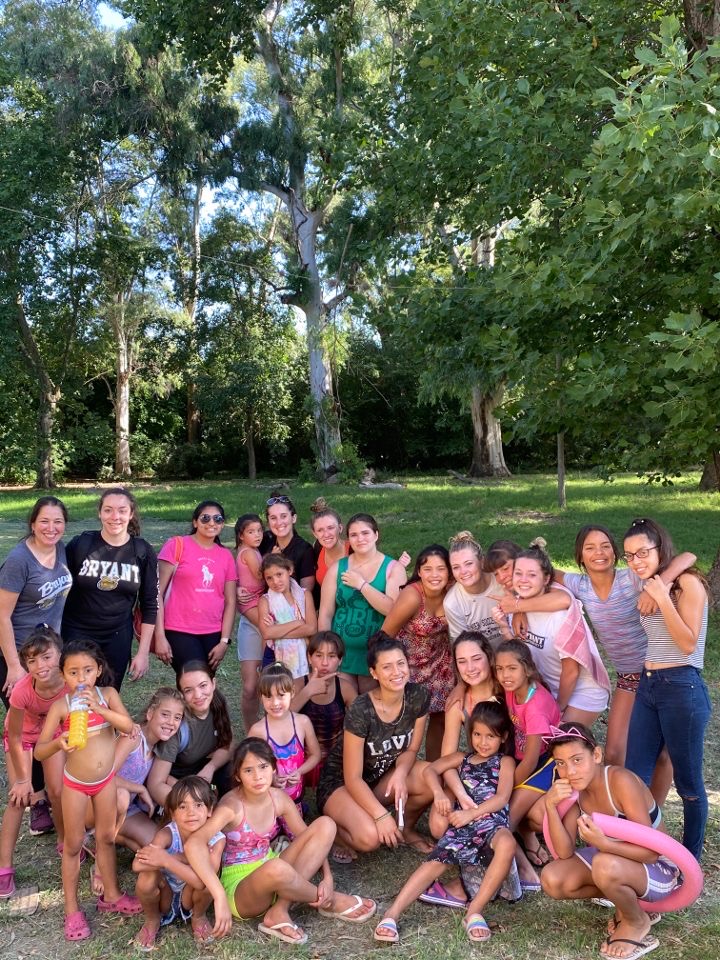
The children only spoke Spanish, but this did not matter for those who only spoke English. Everyone played Baloncesto y fútbol (basketball and soccer) with the children. Later, we all were going to swim in la piscina (pool). Everybody was forming close bonds with the children. 

I spent most of the afternoon with a four year old boy named Jano. Since he didn’t know how to swim, he was upset he couldn’t go in the pool. I carried him in and took him swimming. The joy on his face was priceless. Everyone was swimming, laughing, and jumping. Today was about the kids, and I’m sure everyone would agree the fundraising and hard work we put into the orphanage was worth seeing the excited children. 

Before we left, some students began to cry, as it is hard to see young kids living in an orphanage. One young girl who I was talking to kept repeating she wanted her mother in Spanish. This was heartbreaking, and hearing some of the children’s stories made us so grateful we were able to help at all. 

Before our departure, lots of tears were shed from many of my classmates. We are so grateful to take part in Helping Hogar El Alba. This is a memory we will have for a lifetime.

Hogar El Alba

Every student on this trip was excited for this day the most. The touring, going out with friends, and experiencing a newculture is amazing, but there is nothing better than helping those in need. Throughout the school year, we planned and fundraised for an orphanage in Argentina known as Hogar El Alba. Due to teamwork and motivation, we were able to raise the most money any Bryant Sophomore International Experience program has ever raised. In addition to the money, we brought board games and backpacks for the kids.

We started our visit off with a furry welcome from a couple of dogs at the front of the Orphanage. The dogs’ continuous smile was a sign that today was going to be a day full of smiles. After discussing the plan for the day, we immediately went to work. Various groups completed assignments tasks such as painting kitchens, bathrooms, windows, and a mural for their gymnasium. The gritty work in the blazing heat was all worth it to help those kids improve their living conditions.

After completing the labor part of our visit, it was now time to meet all of the kids. Whether you were fluent in Spanish or could just say “Hola”, we all were able to create a relationship with the kids. All of us hung out with the kids, played basketball, soccer, and even had water fights. Almost everyone there went swimming for pool time at 3:00 to end the day.

We wrapped the day off with Hogar El Alba inviting us to their “snack time”. We ate and talked to the kids one last time. While having all of the kids and staff around, we presented our gift to them. The group who raised the most money in the class had the honor of presenting them our check worth over $4000. We concluded our day with an emotional goodbye to all the kids we had just made connections with.

Image preview

Overall, we are all so grateful for the positions we are in and we are blessed to be provided the opportunity to help those in need and help make a positive impact in our world. We hope to continue to help these kids in the years after if future SIE programs travel back to Hogar El Alba.

Adios!

– JP Landry

Kayaking at Delta de Tigre

As we said goodbye to La Serenisima we said hello to our boxed lunch on the way to El Tigre to kayak. It consisted of a Caesar wrap, a salad, an apple, and a yummy dessert! El Tigre means “The Tiger,” and even though there are no tigers in Argentina, there once was jaguars in the area which used to be hunted. With the smell of sunscreen filling the bus, you could feel the excitement slowly building on the hour drive.

Our wonderful guide for the trip, Sofia, told us that the area we were about to visit is the largest delta in the world, and it’s still growing. The area is starting to become a weekend get-away destination, and Madonna even took her kids on a boat ride through the same channels we kayaked in 2010. As we learned later on from kayaking, there are a bunch of small islands connected by many small channels and one main canal. In order to get to any of the islands, you needed to take a boat to get there. We needed to take three trips since we all didn’t fit on the boat.

While we were waiting for the other groups to get to the island, we took a swim in the river.  We were all very surprised to find that the sand was not like the sand we were used to but instead more of a squishy sand that resembled quicksand. Some of us loved it and others absolutely hated it. 

There are many homes along the river which require the residents to take a taxi to and from Tigre, the main city. There is also a boat that delivers things around the island such as water and fruit. While kayaking, we noticed that there were some restaurants and businesses located on the different islands. Throughout the whole trip, our professors have kept reminding us to look deeper into our experiences and see how they can relate back to you and your Bryant Education. For example, supply chain majors could look at these businesses and restaurants and look into how they get their products for the main island to their island in the most efficient way and how often to deliver the products. 

Before they sent us out kayaking, we were given a quick lesson on the basics (how to paddle, how to turn left, right, etc.). We were then grouped into twos and threes (even one group of 6 in a canoe), and we were off!! We ended going up the river for what felt like forever (it was really only 45 mins) before turning around and coming back. We are glad to report that no one tipped their kayak over and we made it back to the island in one piece. 

Upon our arrival back to the island, we were greeted with much needed water, soda, desserts, and Yerba Mate. For many of us, it was out first time trying the “national drink.” It is a loose leaf tea that you can find people drinking it with friends and family at almost any time of the day. One of the tasks for the city game was to take a picture with a local drinking yerba mate – some of us got to check that off the list right then and there. For some of us it was a one-and-done experience, while others have bought some mate to take home with them. For me personally, I am very intrigued by the drink. Everyone in the country drinks it, no matter you age, location, economic class, etc. Thinking back to our culture and society in America, there is nothing that compares to mate in this sense. Even though this was primarily a fun excursion, it proved to be educational as it gave us a closer look into the Argentinian culture. 

Adios for Now, 

Casey Keenan

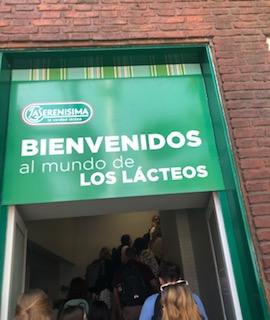
La Serenisima

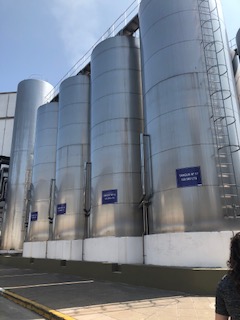
As we boarded the bus for a new day, the air was filled with excitement, chatter echoing throughout the vehicle. Soon, this chatter died down to silence as everyone took a short nap, only to wake up to a city within a city. We had entered the massive La Serenisima plant, increasing the excitement of the group. As we walked in, we were greeted by our presenter Matia and all gathered to watch a video about the company and how it operates. You never realize how complicated the process for making milk is until you learn the process for making milk. Preparing milk differs from country to country, and in Argentina at Serenisima, it is very intricate. 

There are a little under 4000 employees that work for a brand that is celebrating its 90th anniversary. La Serenisima was founded by Italian immigrants and began by selling only mozzarella and ricotta cheese until began buying milk from carts and expanded. Now, 25-30 new products on the market were created just in the last year. The brand is recognized in Argentina for not only milk, but a variety of other dairy products as well. It was so interesting to see many offerings of one single company. The distribution process begins at the dairy farm where quality standards are assessed by employees from La Serenisima and upheld by the people working on the farm. From there, tankers are used to transport the milk at a specific temperature to ensure it is cold. Lastly, classifying plants are used to measure the purity of the milk. The video was extremely informative, but the multitude of question and answer fueled the conversation and understanding. We learned much more about Argentine relationships with other countries, specifically in the context of dairy production. The presenter was extremely knowledgeable and really made us feel comfortable asking tough questions. 

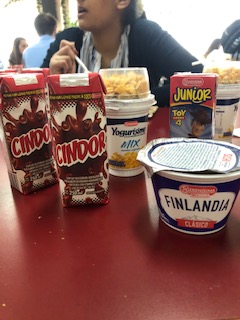
We were then taken on a tour of the plant where we were able to see the process live and up close. Watching the machines work so efficiently was so interesting. For example, the plant can package around 1,500 packages of ricotta cheese in one hour! I certainly had never seen a plant so clean and impressive. Our last stop was the cafeteria, where the company was kind enough to give us samples of chocolate milk, cream cheese, apple juice milk, yogurt, and dulce de leche.

It is crazy to think that what we were eating was created where we were sitting. This trip was great for broadening our mindsets about the scale of business in a country like Argentina. A learning experience such as this only comes once in a lifetime. On to our next adventure!


Buenos Aires Cultural City Game

Hola!!

On our first day in Buenos Aires, Argentina, after our orientation we all played “The City Game”. To get us familiar with Buenos Aires our professors broke us up into groups of 5 to explore and play the cultural city game. The Buenos Aires cultural city game is like a scavenger hunt. We were given locations to visit and take pictures at along with food places and other local spots to check out.

The city game will last till next week when we arrive in Argentina once again to give us more than enough time to find all of the places. The group that finds the most places on the list will receive a prize. We were also given a stipend of $3000 Argentinian pesos to use for transportation, food, and drinks.

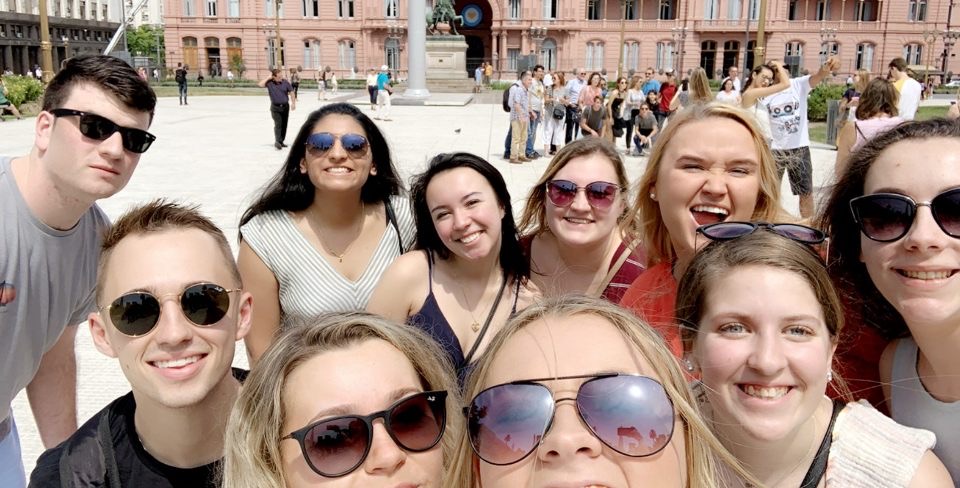
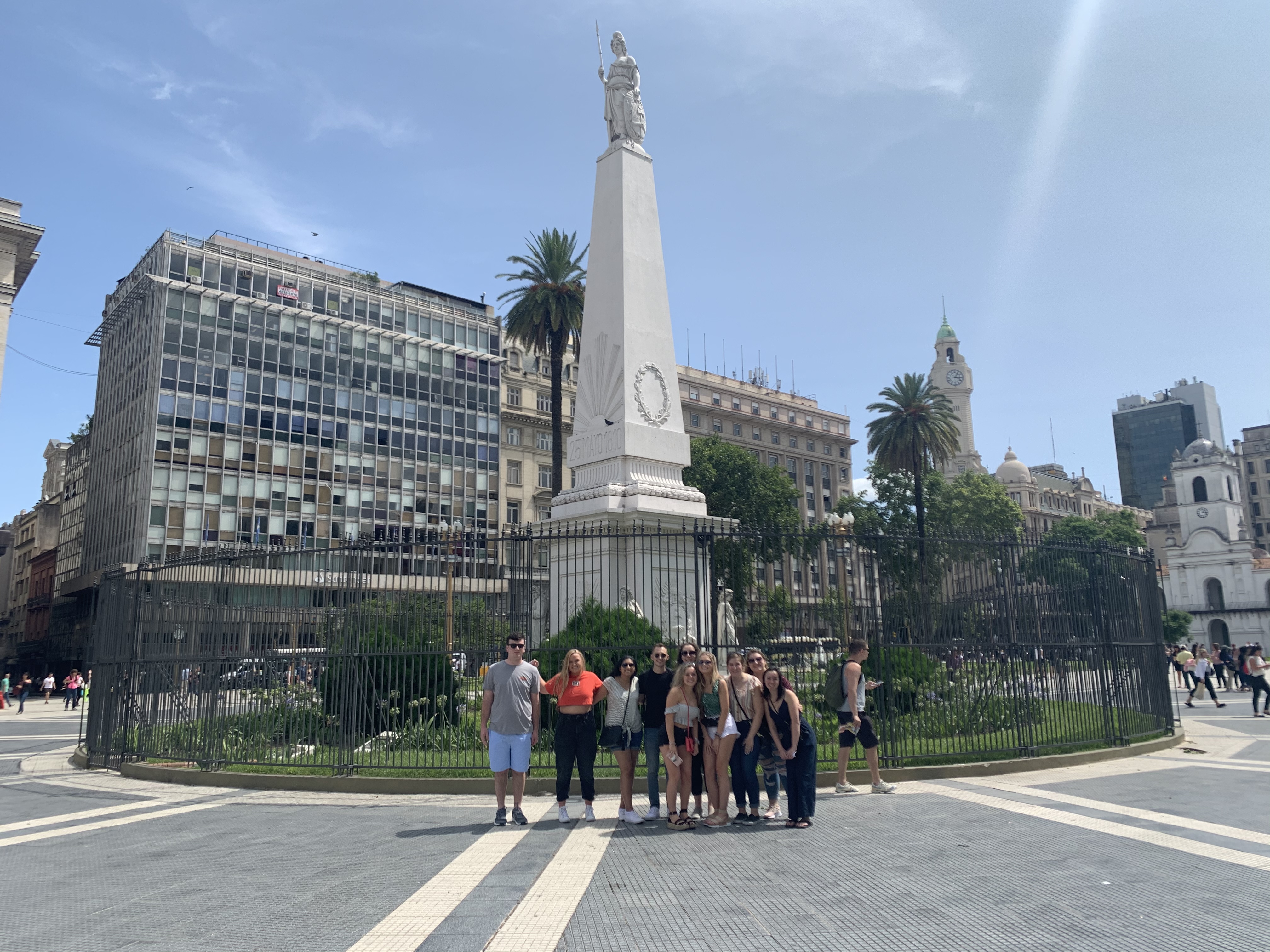
First, my group took a stop at a local coffee shop called Juan Valdez Café to energize ourselves with some iced coffee, I also got to practice my Spanish speaking skills here as I ordered my group’s coffees. We then went to the monument Plaza de Mayo which is an important historical landmark in Argentina.

6FDEBCB3-0F1F-4197-99BA-47A257EF157D

5F6EBD91-4039-4F53-9A01-CDFF6657A91EIn May 1810 there was a revolution in what was then called the Plaza de la Victoria. Six years later Argentina won independence from Spain and the square was given its current name, May Square. It is also in the center of Buenos Aires! 
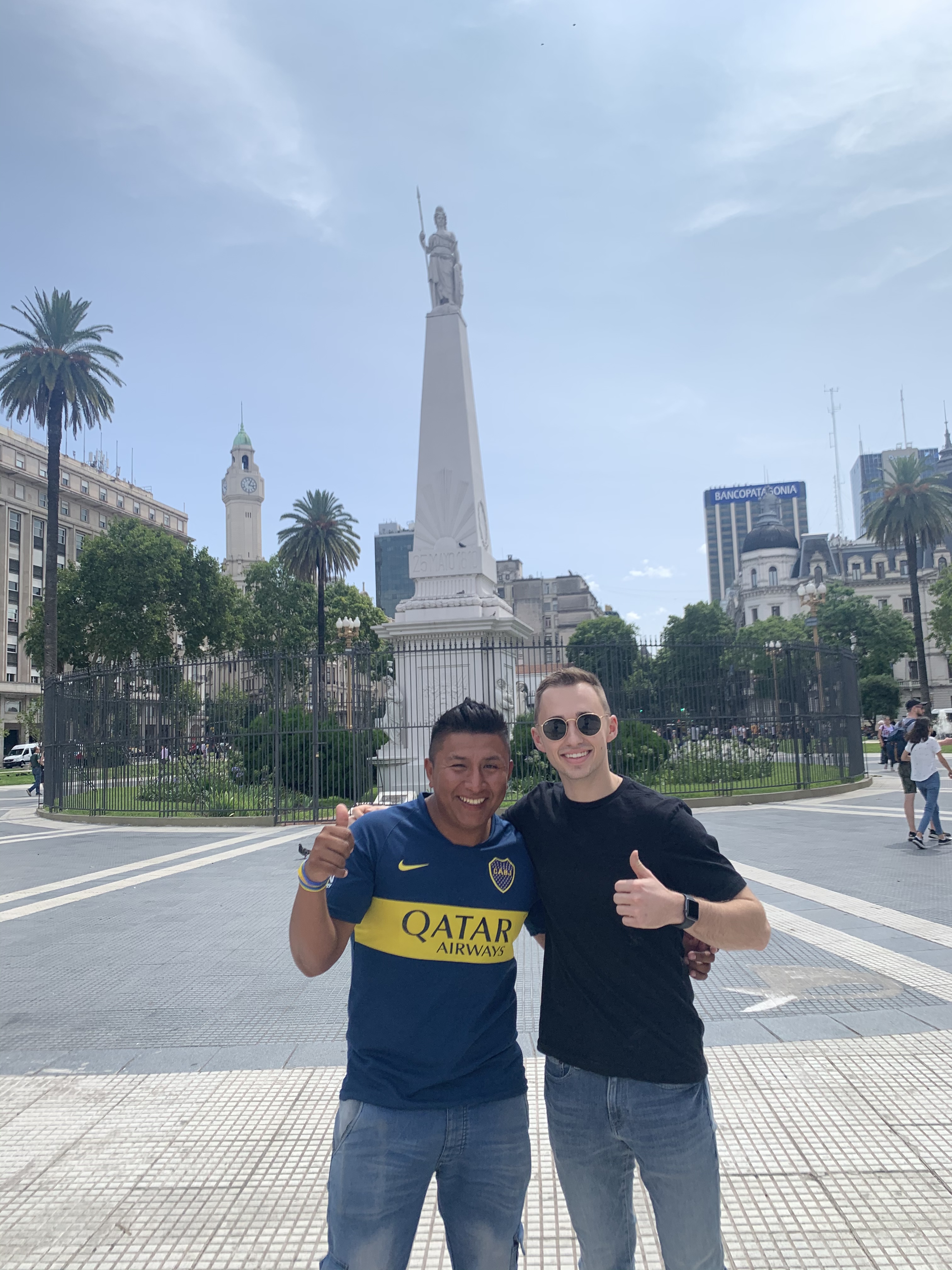
While there, we also met a few locals wearing Argentina’s fútbol jerseys (which we call soccer in America) that Cole enthusiastically took pictures with.

474E78E5-993E-490C-B438-619089666794.jpeg

Our next stop was the San Martin Musoleum, where we got to visit the changing of the guards. José de San Martín is regarded as one of the fathers of Argentina and liberators of South America, having led the fight against the Spanish to gain the independence of Argentina, Chile, and Peru. He was exiled to France but after he died they brought his body back to Argentina in 1880 where it is now guarded inside of the cathedral.

Entrance of the cathedral, San Martin masoleoum, changing of the guards.

The Cathedral was incredibly beautiful and we were lucky enough to witness the changing of guards. Being here was a wonderful experience for us since we got  to know more about the culture and history of Argentina!

The second day we decided to go to the “el caminito” street in la boca to take a look at the gorgeous houses as well as take a look at the street art, and buy souvenirs for our families.


All in all, we had a great learning experience while exploring the beautiful city of Buenos Aires. This time alone bonded all of us together as we got to know each other better through our experiences. We’ve had an amazing week here in Buenos Aires, Argentina and will be heading to Uruguay now. 

Ciao for now!

Komal Pandit

Welcome Dinner

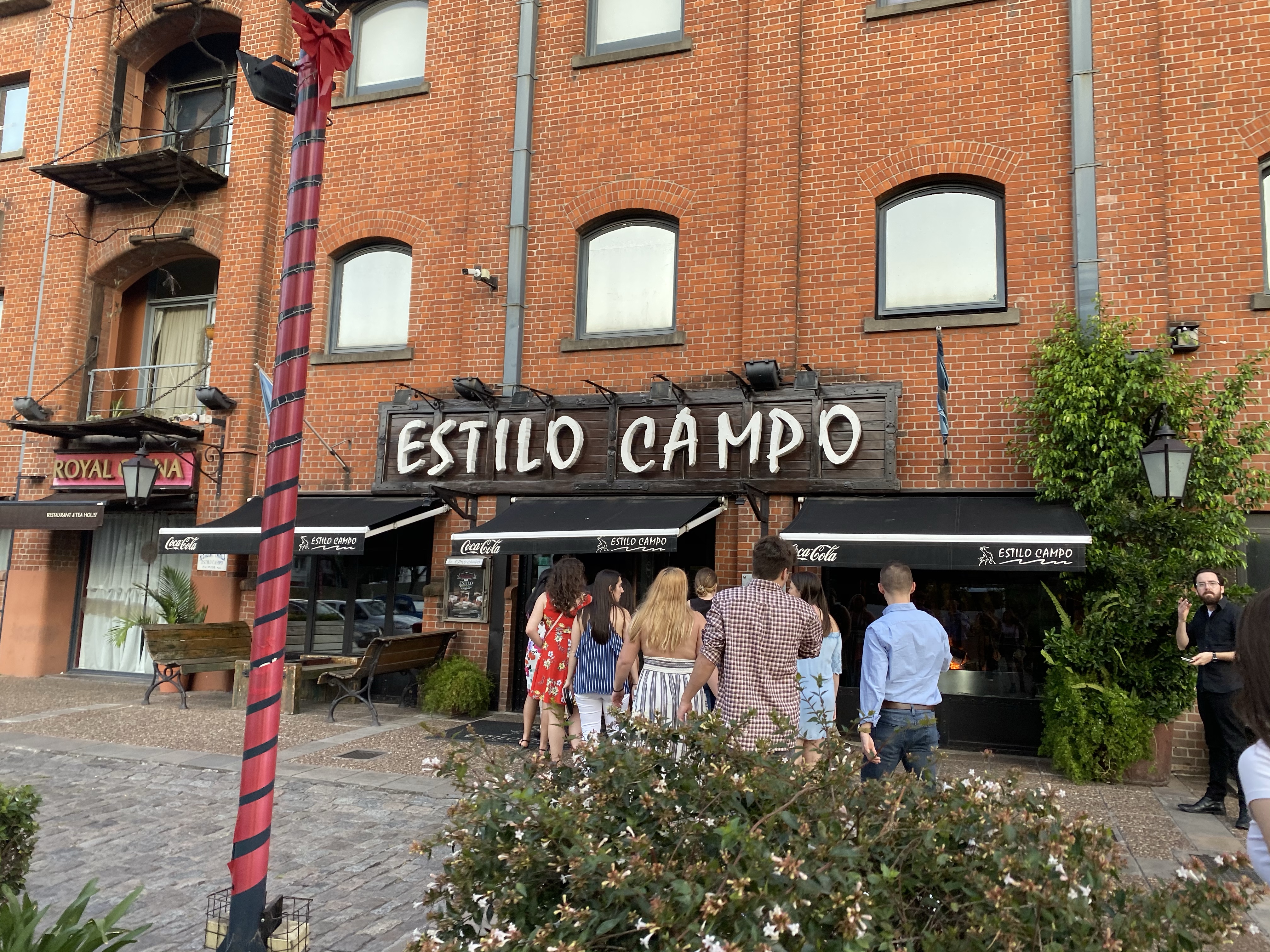
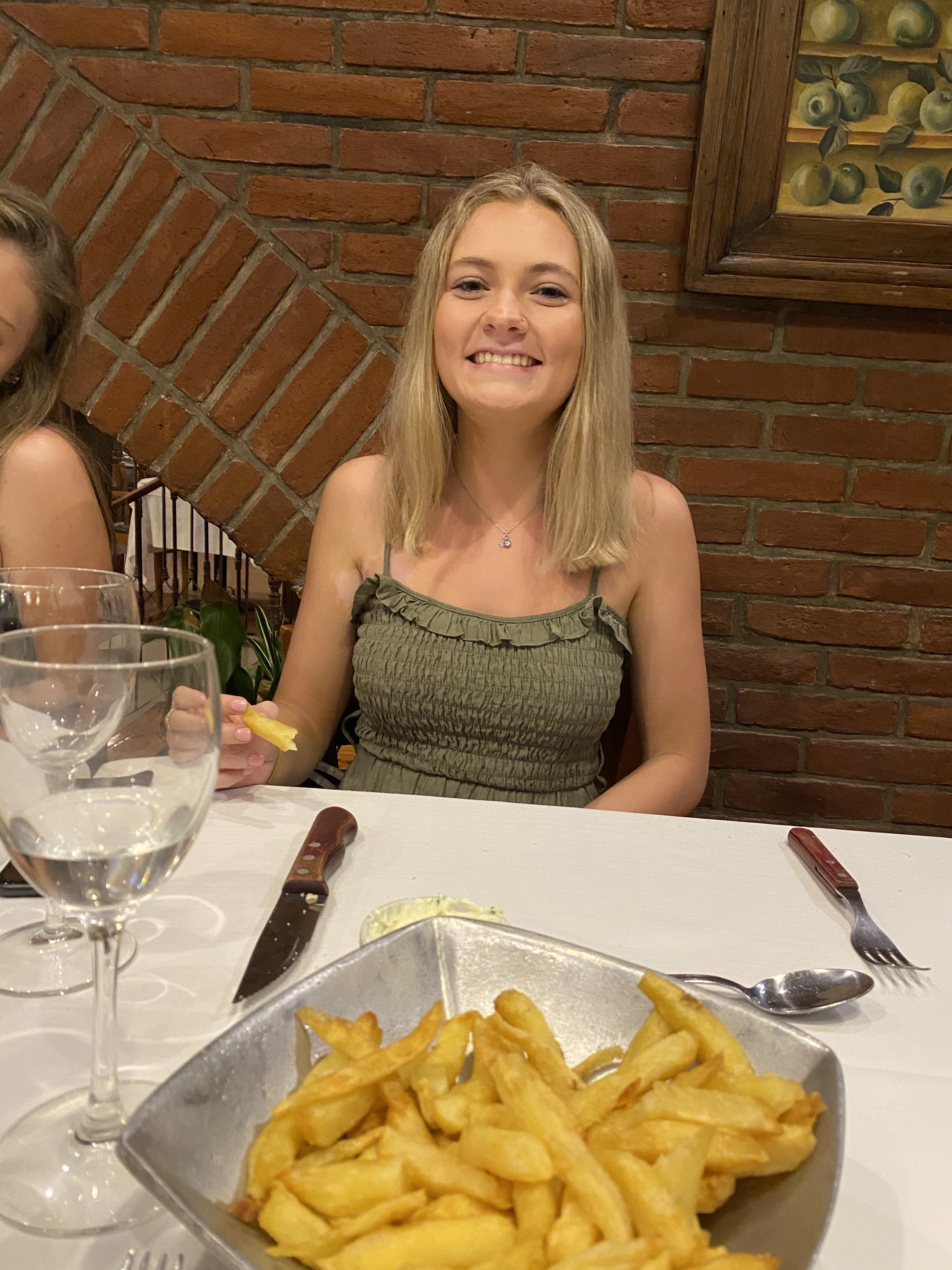
Tuesday night was the welcome dinner for our trip. It was a great way to kick off our journey! We went to an authentic Argentinian steak house called Estilo Campo.  To start this group excursion, we all did our usual roll call and headed to the bus. As we arrived at the steak house, servers greeted us and were very friendly. We were immediately served water and bread.  The restaurant had a very fitting ambiance, making you feel like you are getting the full authentic steak house experience.   There were brick walls with white table cloths and decorations to fit the rugged theme. 

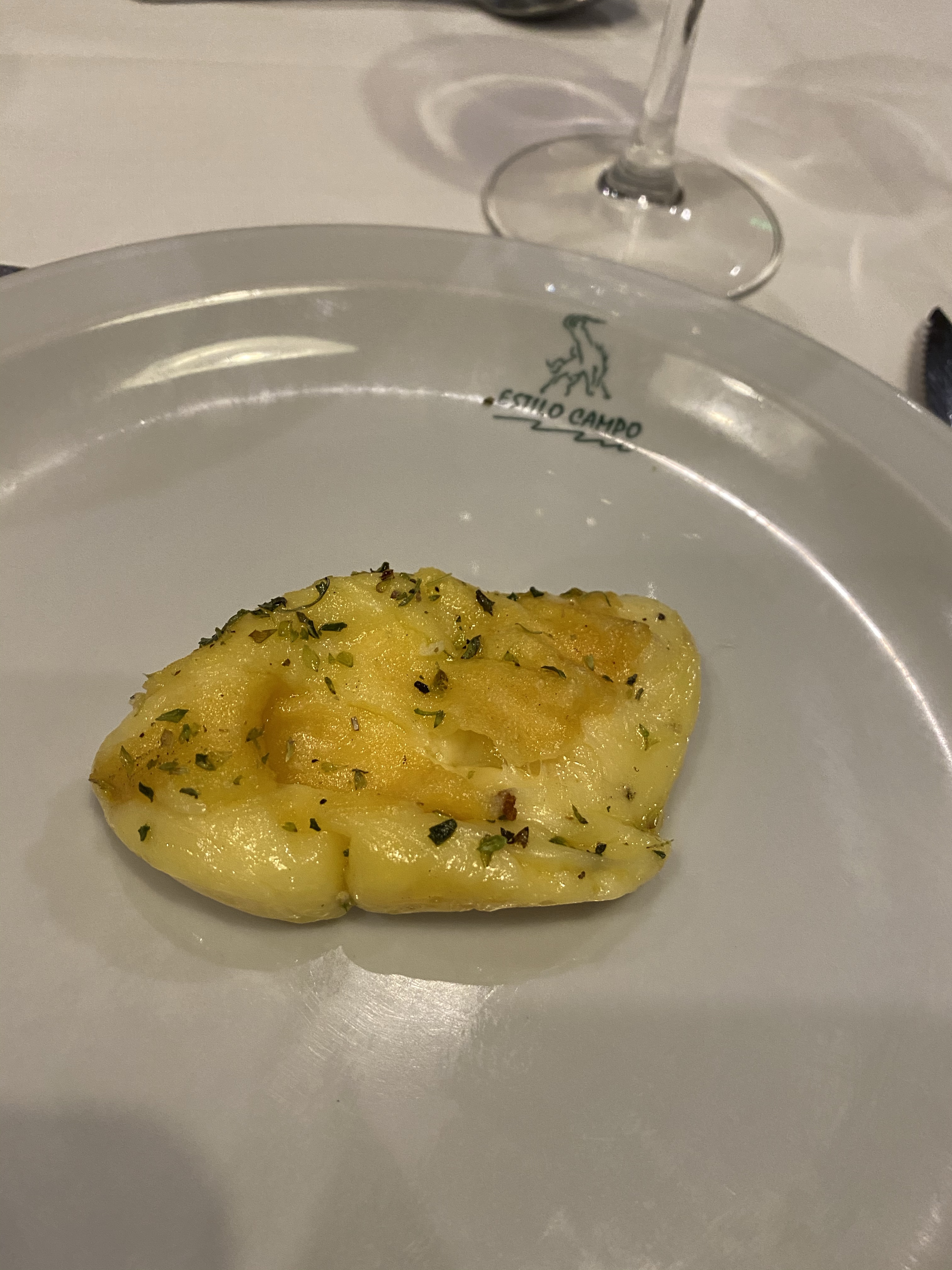
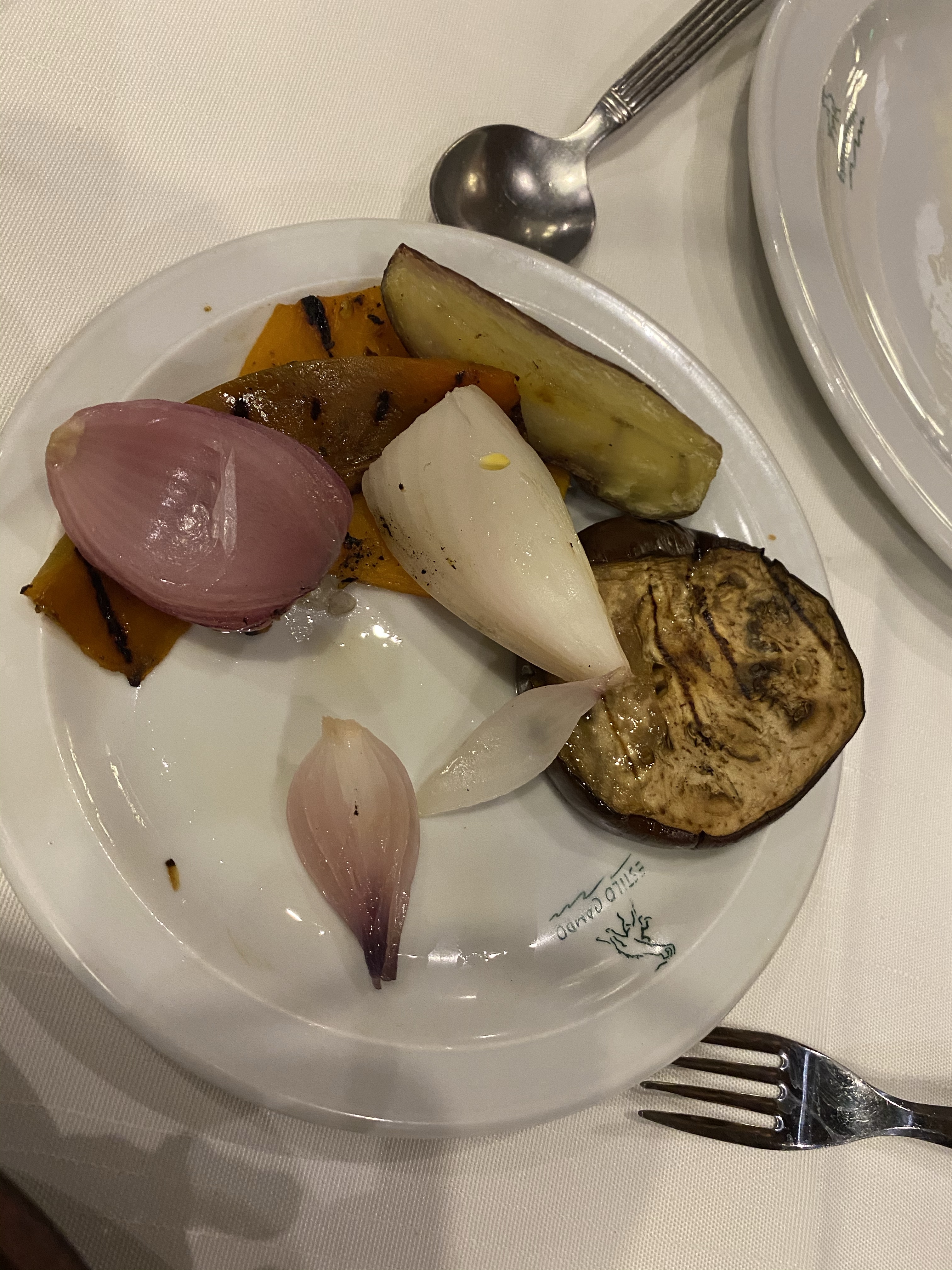
    After the bread was served, there were five whole courses.  This was a surprise to me and most of my other classmates because when we get steak at home, I usually just get one side.  The courses following the bread included French fries, sausages, queso, salad, and vegetables. The queso was delicious and so was the sausage.  The group seemed to find these cultural dishes intriguing and remained  open-minded to new foods.  In fact, one classmate, Caroline tried some of these foods and is an extremely picky eater.  I thought this was an important part of our trip because it forced students to be immersed into a culture and try foods they may not normally venture out and order. It is very important when traveling to get out of your comfort zone and get the full experience. 
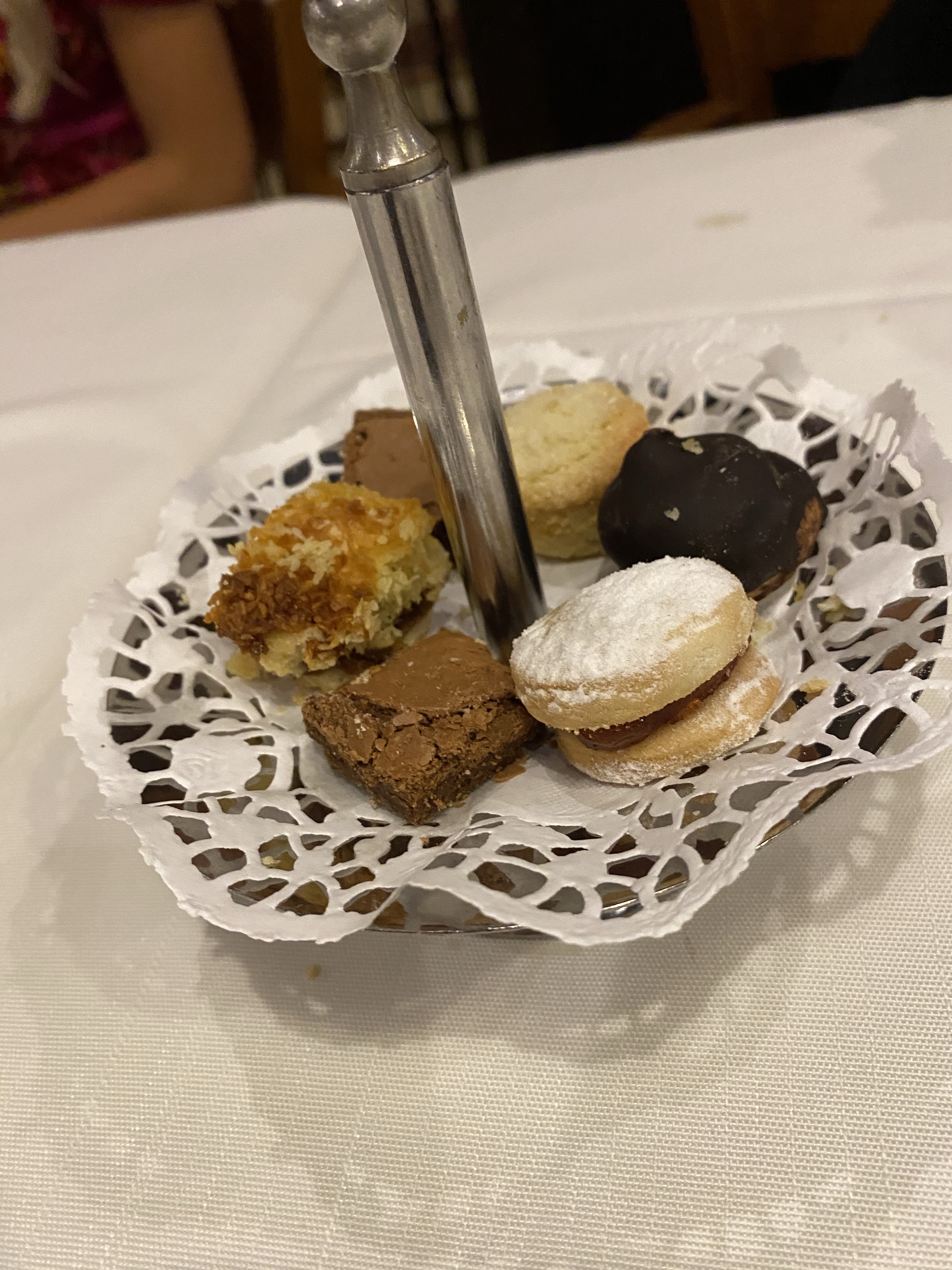
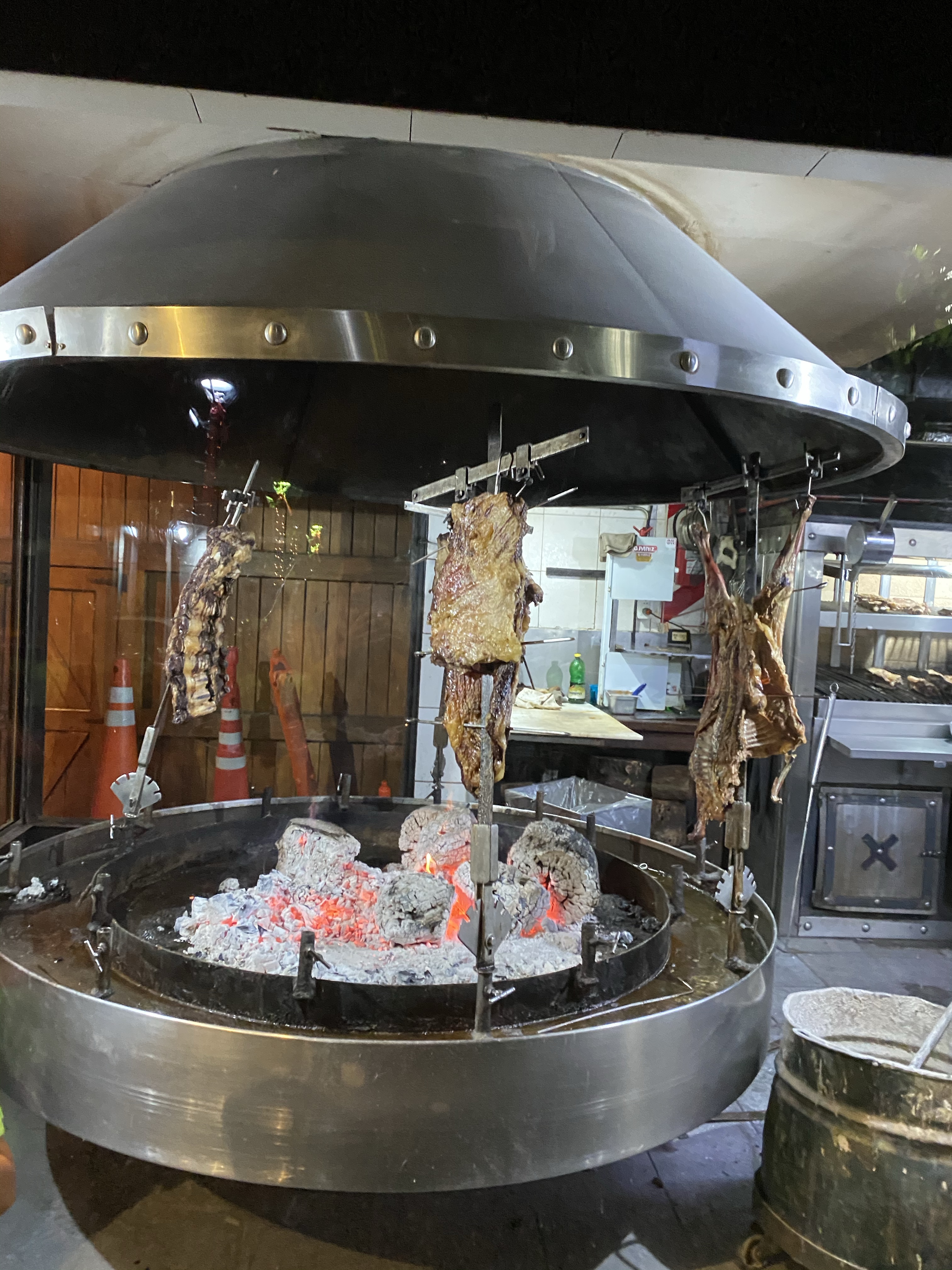
     Finally, after almost filling up on prior courses and getting to know familiar faces, we received our steak.   We all received our steak cooked the way we wanted it.  It was great steak, however, the courses prior are what really made the whole experience authentic.  Lastly, we received our dessert. The dessert was a brownie topped with dulce de leche which is an Argentinian specialty. It was extremely delicious and all of my fellow classmates seemed to agree!  Just when we thought it was over, we were served coffee and cute little pastries.  There was so much to eat and take in for the group throughout this welcome dinner experience. It was a great way to get closer with new classmates, kick off our journey, and most importantly, immerse ourself in a new culture.  When walking out of the restaurant, I noticed the meats cooking on display for everyone to see. This really captivated the aura of the restaurant and the importance of meat as a whole in the culture. The welcome dinner overall was a great way to cap off the day which started with an intriguing presentation on agribusiness in Argentina, by emphasizing the importance of meat in their culture and educating us Americans on a typical meal.

Agribusiness Presentation

After viewing a presentation about Argentina’s economy, it was time to dive into the Agribusiness portion of Argentina’s economy. The speaker’s name was Ivan and his past work on a large farm gives him enough experience to teach about the work today. Agribusiness includes the different crops, grains and different machinery involved in producing them. It accounts for 60% of Argentina’s total exports. Agribusiness is focused around energy and efficiency, or producing the most amount of product with as little resources as possible.

We then learned about the different meats consumed around the world and what the future of plant-based meats will look like. China accounts for 1/3 of all meat consumed in the world, and are slowly converting to fish as the meat of the future. Fish is the most efficient to breed, as it maintains a 1.3 to 1.0 energy efficiency ratio. This ratio determines the amount needed to breed the fish, compared to the output provided.

Finally, we were taught the typical farming style in Argentina and how it varies compared particularly to the United States. Farms are seen as investments, where outside sources own them and lease them out to farmers. These farmers rent the land, machinery and tools before paying the owner back at the time of harvest. Risk is avoided in these farms through a partnership (two or more individuals sharing ownership to decrease risk), and climate risk is avoided through geographic diversification. As an investor, limiting your risk, will allow for your farmers to pay back their debts fully at harvest.

This presentation was very well put together and informative in many ways. The information presented is applicable to almost all fields of study and should prove to very helpful in the future. I can’t wait to see how useful the lessons we learned today will be in various classes back at Bryant. All in all, the class throughly enjoyed this presentation and look forward to our group dinner at the steakhouse tonight!

Hasta luego!

– Derek Knobloch

EY – Argentina

Have you ever heard of Unicorns in Argentina? They are worth more than one million dollars! No, I am not talking about the mythical creatures. I am referring to the companies in Argentina that are worth millions of dollars, which are known here as Unicorns. Our class got the opportunity to sit and listen to a speaker from the Ernst and Young accounting firm in Argentina! Throughout the information session, we learned many interesting facts about Argentina’s economy, government, investment opportunities, and much more.

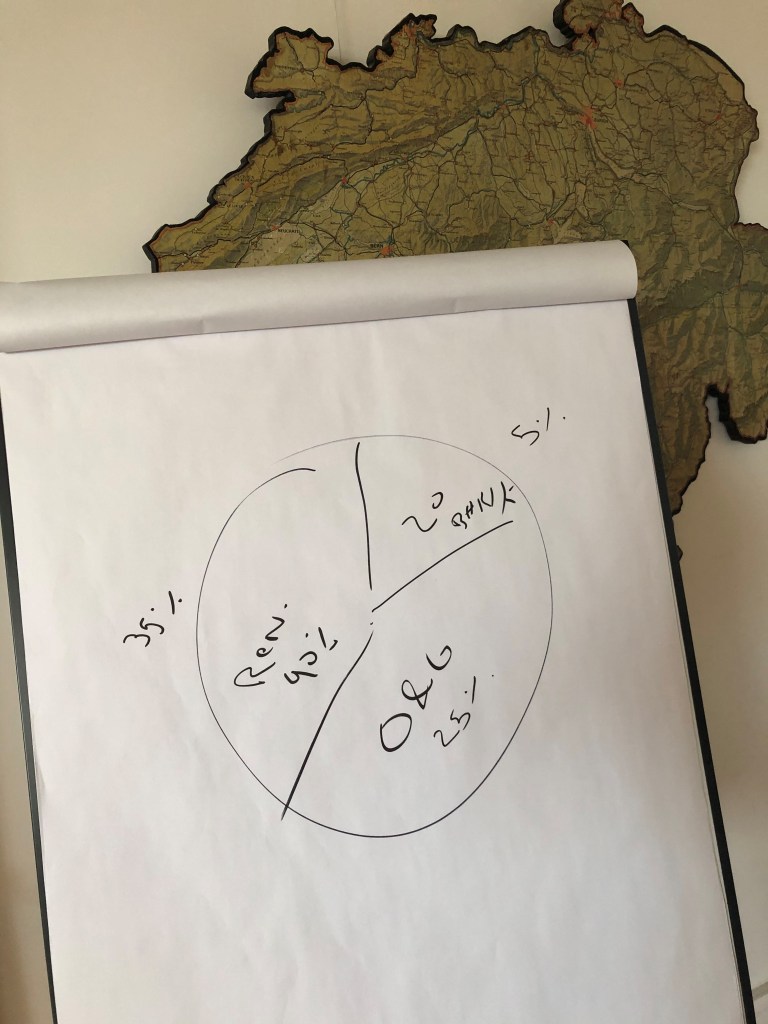
The inflation rate in Argentina is 50%, which is much higher compared to the United States’ 2.1%. In addition to inflation, their current GDP is -2%, but after the recent election of president Alberto Fernandez, they are striving for a preferred GDP of 3% by the year 2023. Interest rates fluctuate very rapidly in Argentina from week to week, and if you are looking for great investment opportunities this is the country to do it. The average return on investment in Argentina is roughly 40%, and has many higher rates sometimes rising over 40%. Some industry opportunities include agriculture, oil and gas, banks, and more. Our class created our own pie chart where we allocated 100 million dollars in these various investment opportunities, and decided what return rate we wished to receive from our current investments. We chose to invest in banks, oil and gas, and renewable energy.

In 2008 Argentina experienced a conflict between the government and farmers. This was due to the new tax rate enforced by the government on soybean exports. The initial vote resulted in a tie between both parties, and was left in the hands of the vice president at the time who decided to go against his own party and establish a 30% tax rate on soybean exports. This tax rate is the highest that the government can increase it to, otherwise it would be considered unconstitutional and cause a horrendous uproar within Argentina. This rate was chosen due to the fact that soybeans are Argentina’s biggest export, and generate lots of money for the government.

In conclusion, I personally enjoyed listening to this information session and I believe I can say the majority of our class did so as well. We look forward to the adventures that await us on this Sophomore International Experience, and will always remember that there are unicorns in Argentina!

Design a site like this with WordPress.com
Get started