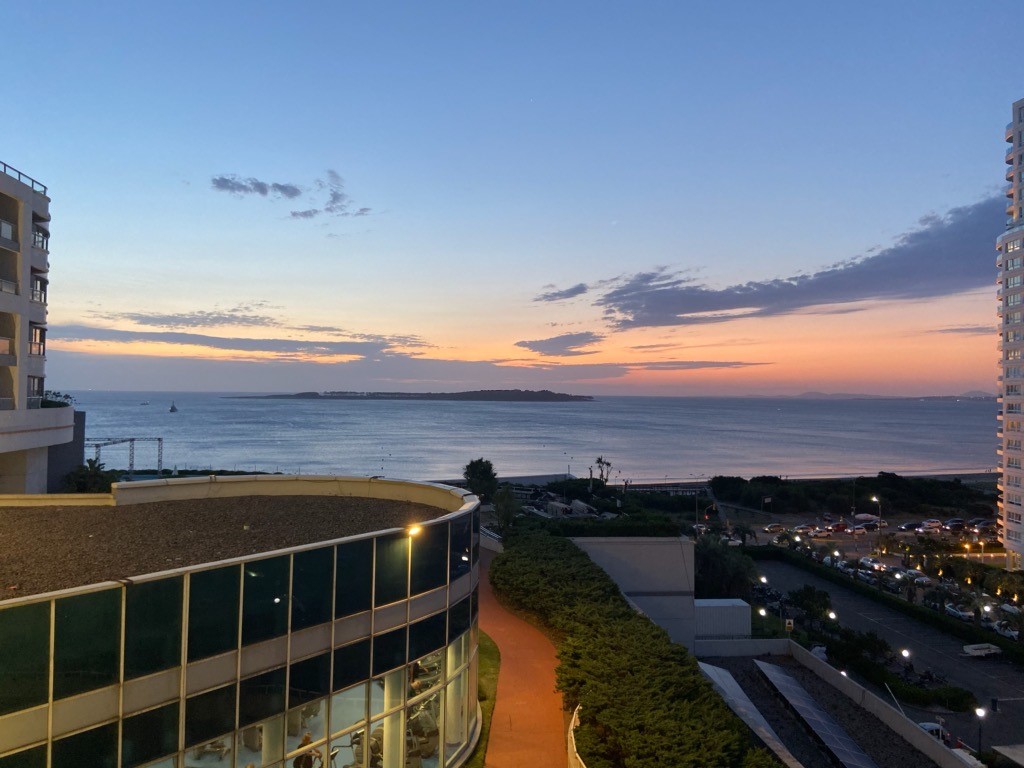
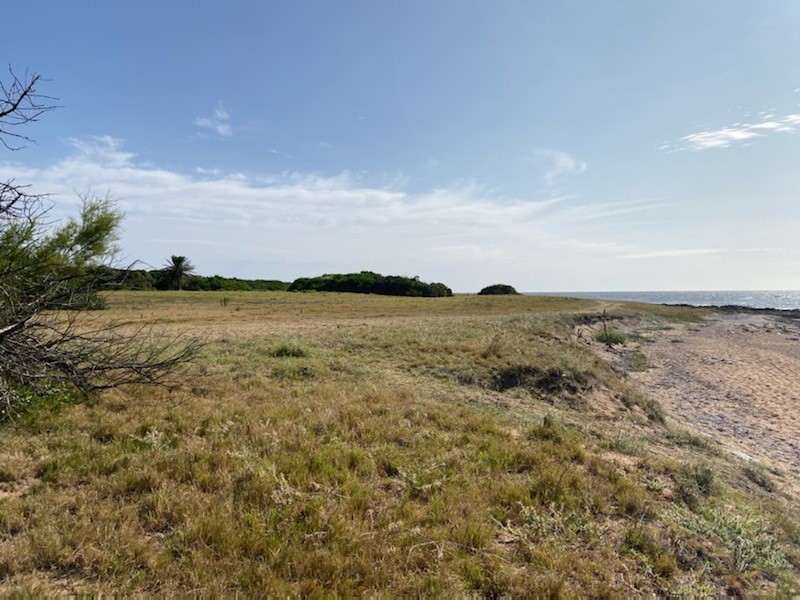
Welcome to Gorriti Island! Founded on Feberuary 2nd 1516 by Juan Diaz de Solis, Gorriti Island is located off the coast of Punta del Este in a spot where we have a great view of from our hotel rooms. Not all of us chose to explore the wonderful island, but it was quite the trip to such a unique exotic island.
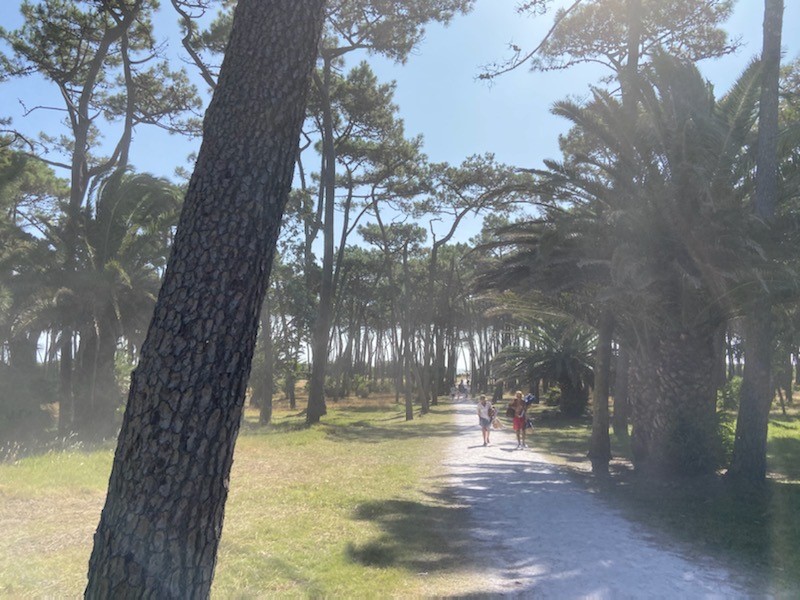
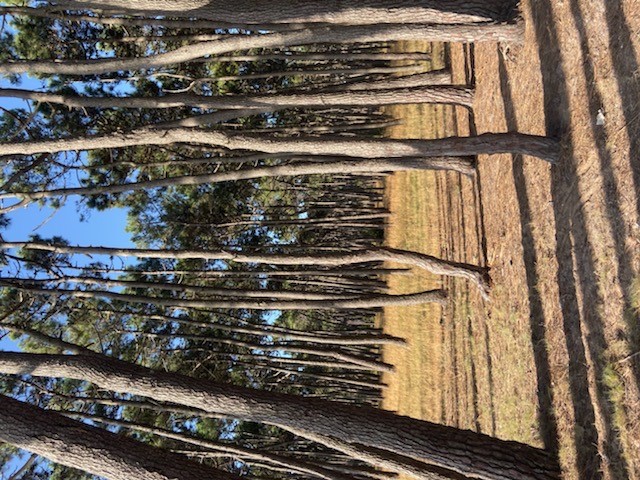
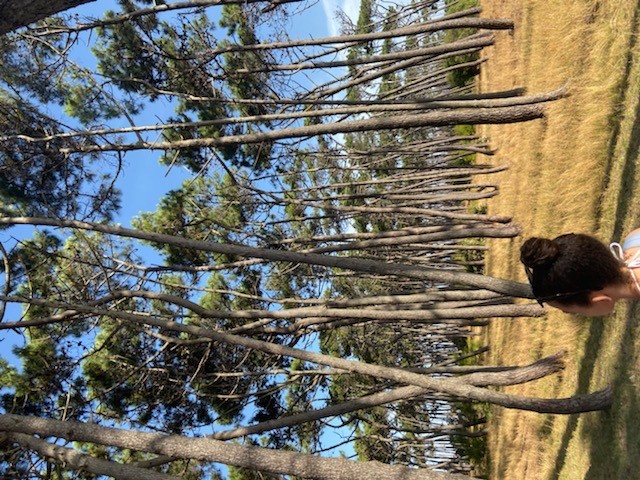
What is so unique about Gorriti Island? Well these 22 hectares of land in Maldonado bay not only has a bio diversity-rich natural eco system, but we were told by some locals that it is one of the only places in the entire world that is unaffected by climate change. This is due to the very strong winds blown along on the northern coasts of the island, but the trees here provide such a clam atmosphere for exotic life to survive.
Gorriti island provides a wonderful beach strip, open fields, as well as uniquely spaced out trees. Some of us decided to explore some more to capture the great views that this island had to offer. We experienced its clam cool beach on the islands south side while feeling out the tough strong winds from the north. We all in the end had a blast no matter what activity we decided on.
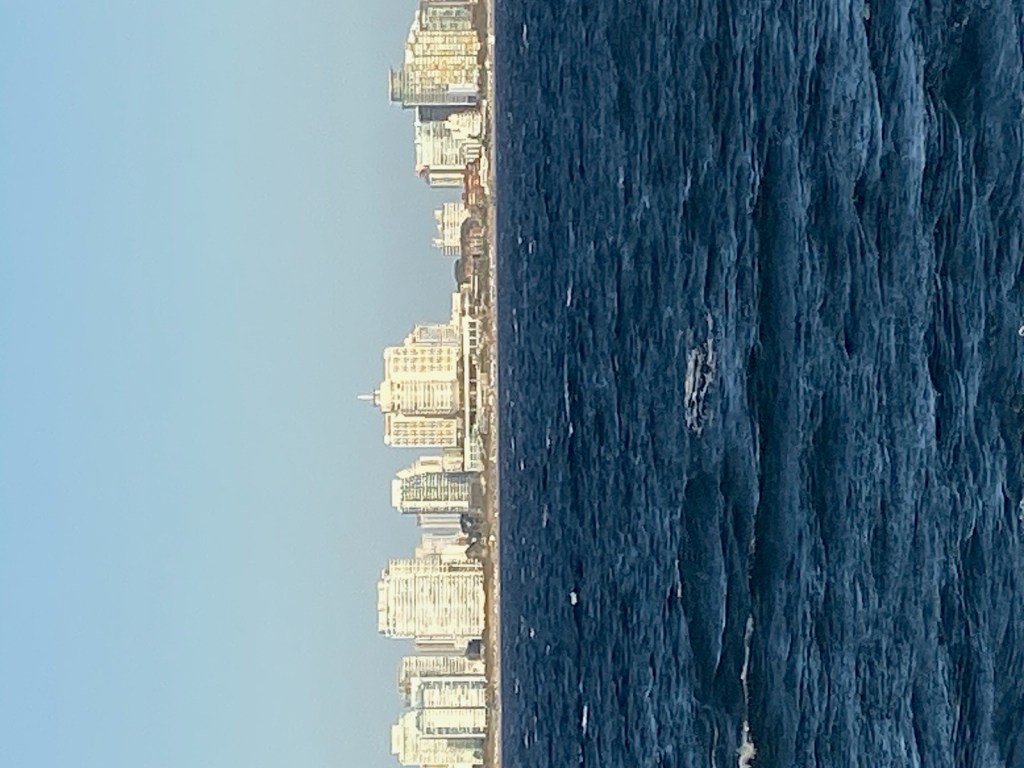
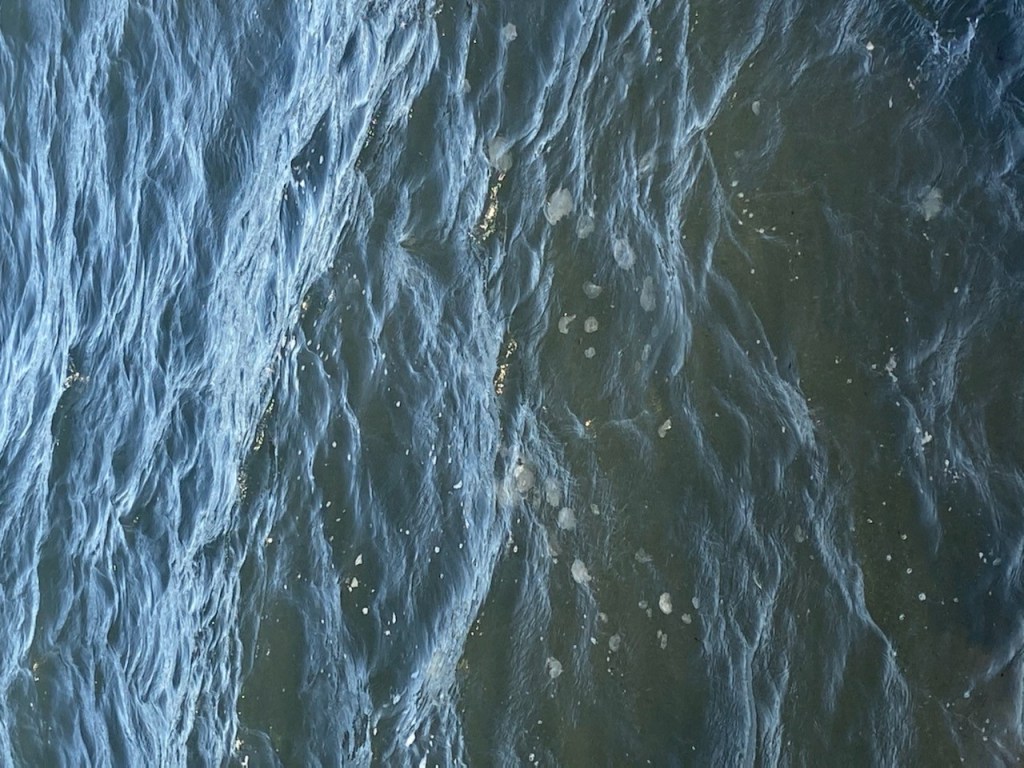
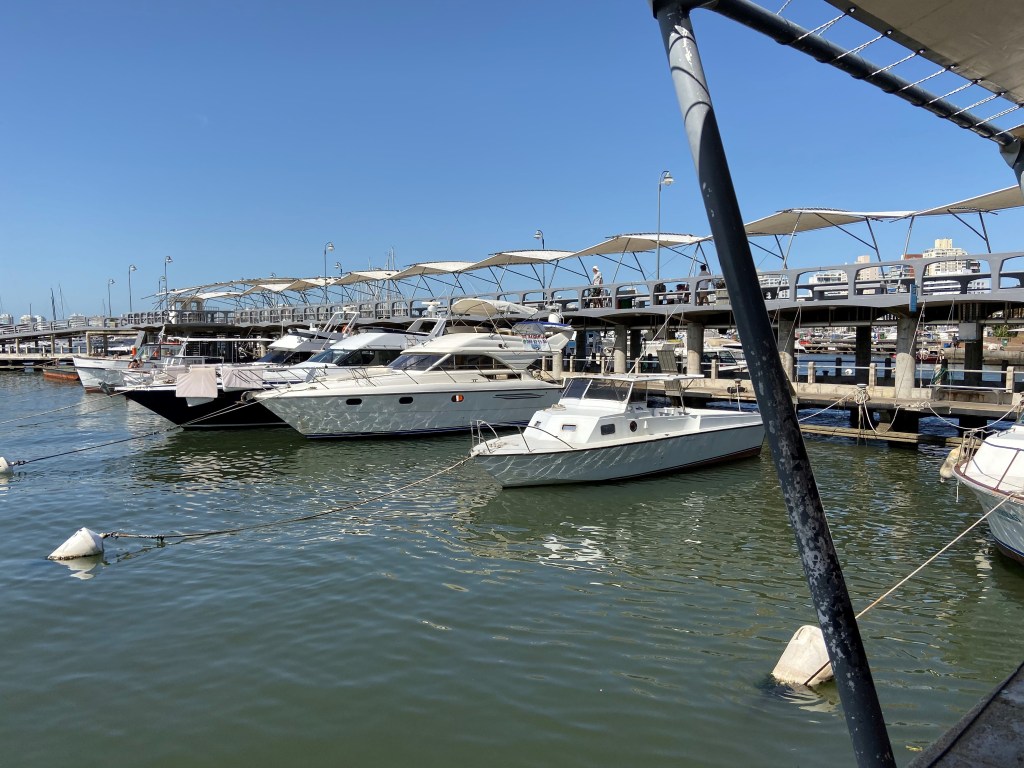
While we tried to leave the island, we were faced with a very long line on the islands small port while barring against its strong winds for about 45 minutes. While we waited, we had a great view of the main land’s coastline as well as our own hotel. Along the waters of this port, there were dozens, if not hundreds of jellyfish in the surrounding waters. These strong winds made the ferry ride to and from vary choppy, rocking the boat back and forth for the majority of the ride to the point where you cannot stand up without holding onto the boat itself.
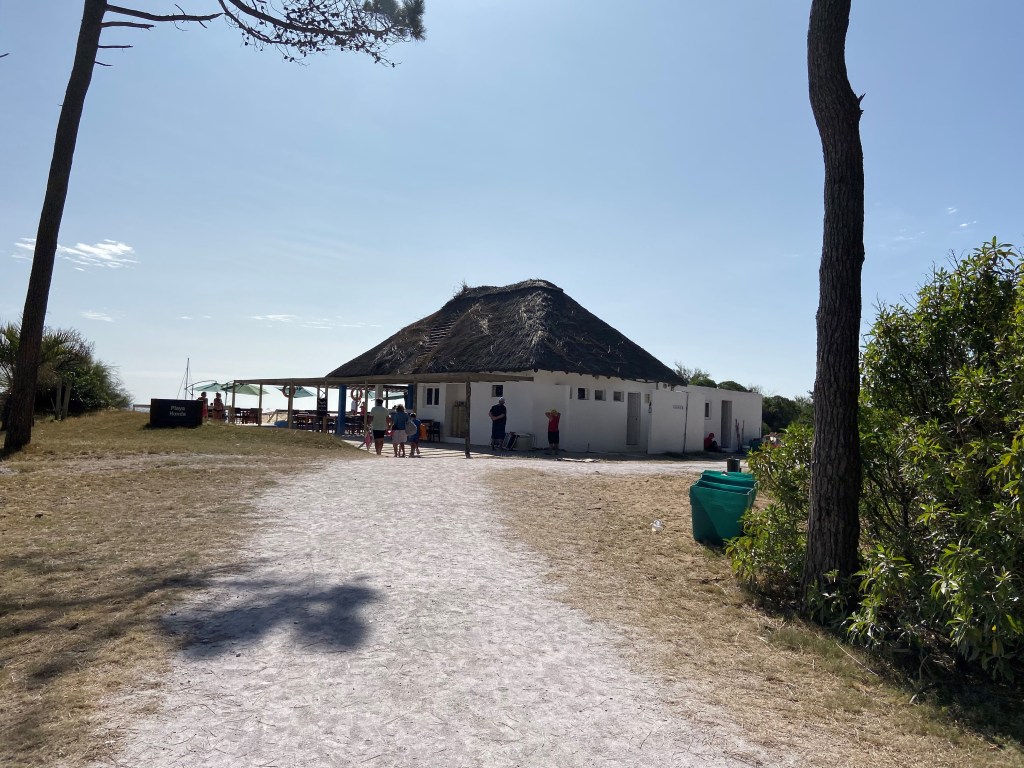
From a finance students’ point of view, it is difficult for businesses to thrive on this exotic island. There is only one small business building on the island which only provide your very basic food and drinks. Although this building may make some money, they cannot expand anymore since it will harm or potentially destroy the valuable ecosystem. So, if there is no more room for expansion, how can businesses make money? Well the main source of income for companies here reside from the ferry rides. These ferries hold about 20 or so people to come and go from the island every half hour for a very low cost (about $10 per person). This very affordable cost in an exceptionally expensive city allows the ferry businesses to survive year-round. During Uruguay’s summer months, these ferry companies are able to become very successful in an area where they literally cannot expand upon.
All in all, Gorriti Island is one of a kind and provided those who went with lifelong memories of this exotic environment. This trip is not yet completed, so there is still room for even greater memories to be made.
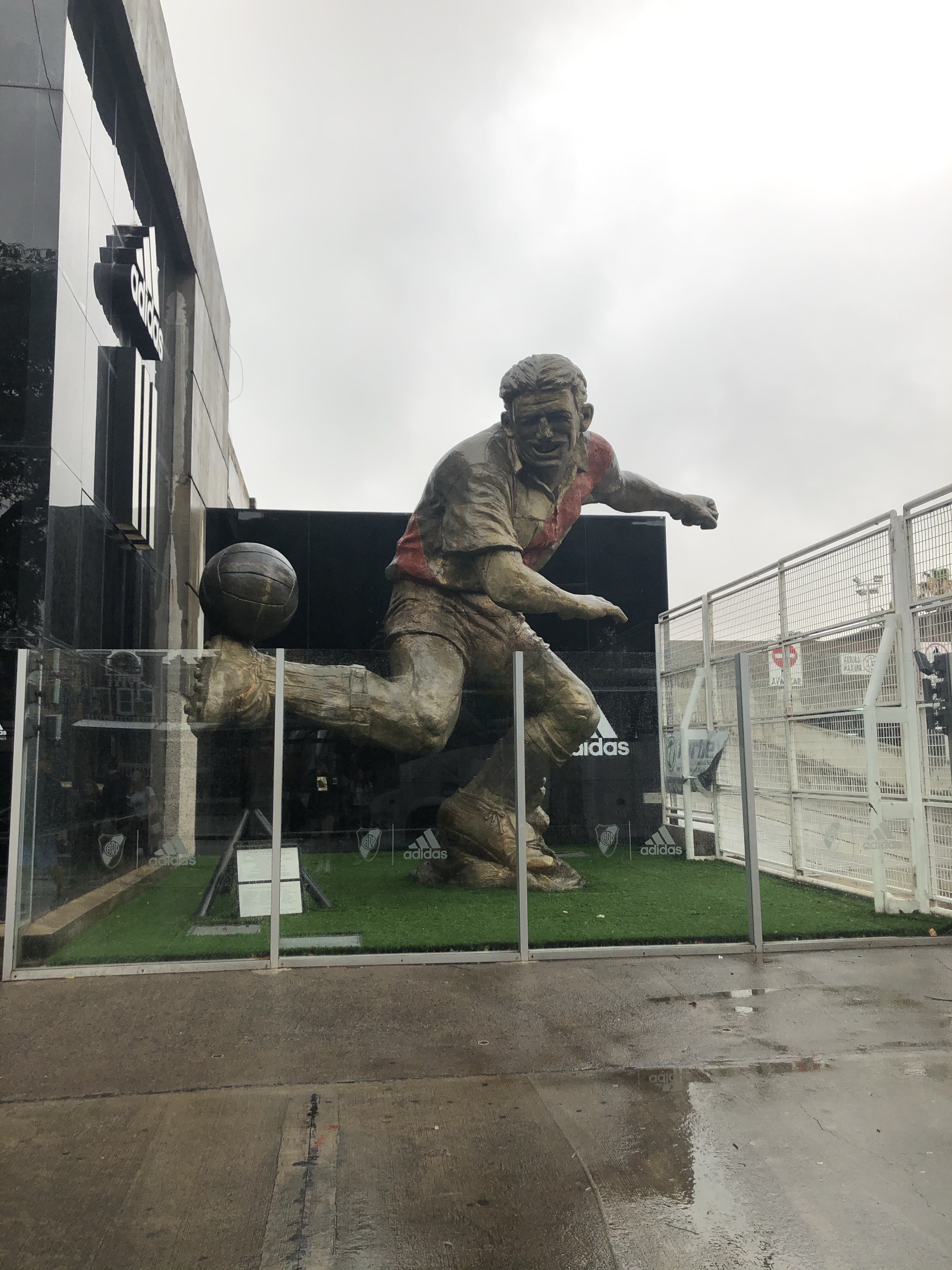
It was game day for all of us here in Buenos Aires as we hopped on the bus and headed to River Plate. We were quickly informed by Sophia that River Plate was the only team that mattered in Argentina as she is a huge fan. Once we pulled up to the stadium the first thing we saw was a gigantic statue of a man playing soccer which took everyone’s breath away.

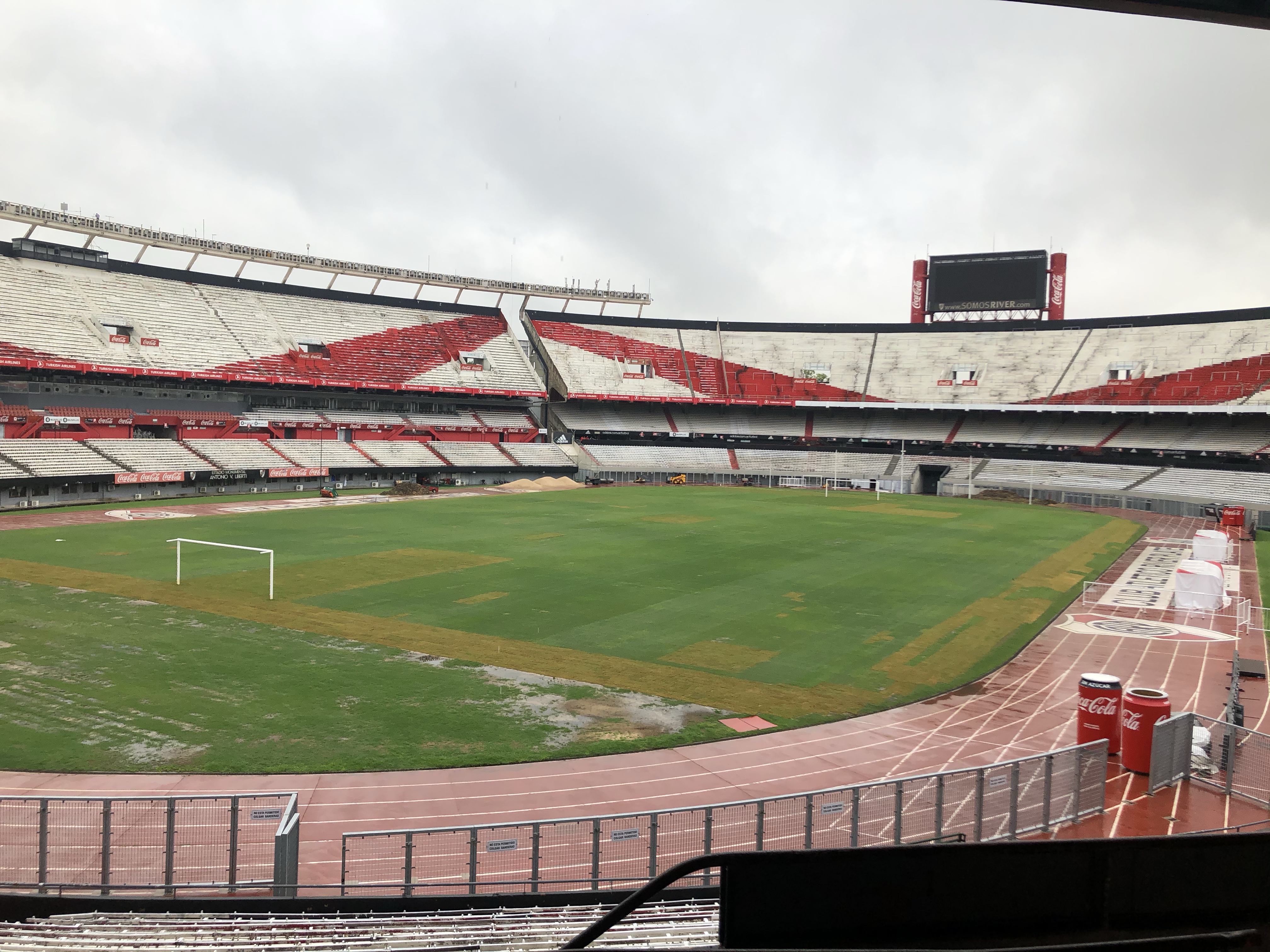
Once we had got inside we were greeted by Patrice who was our tour guide. He was very passionate about his team as he lead us into the stadium it self. Once we got into the stadium he had us sit in one of the 70,000 seats that Estadio Monumental can hold. It’s known for being the largest stadium in Argentina and was built in 1936 and finished building in 1938. This however wasn’t the original stadium as River Plate was formed 35 years prior in 1901 by the merging of 2 existing clubs, La Rosales and Santa Rosa. The original stadium could hold up to 12,000 where they eventually upgraded to the second which would hold 45,000. One interesting thing about the stadium was that the upper level is reserved for the away fans but this is different from American stadiums because this section was surrounded by barbed wire due to past violent actions from spectators.

After the field tour we got to see what a locker room looked like and it was different than what we had thought. Compared to the NFL and College football locker rooms it was quite small consisting of around 20 lockers and a massage table in the middle. Patrice had also informed us that that locker room was used to prep singers like Michael Jackson and Madonna before they went on to perform in the stadium.
The stadium tour concluded and Patrice lead us into the museum part of the tour. He started us off in what seemed to be a life sized time line. The floor was built with a long red lit up tube which had every decade starting from 1920 on either of the sides of the tunnel. Within the decade rooms the walls showed the final table standings along with the teams starting 11 each year with videos to go along with them. After walking through the history of the club we immediately were in the trophy room which showed any soccer award the club had won throughout its history.

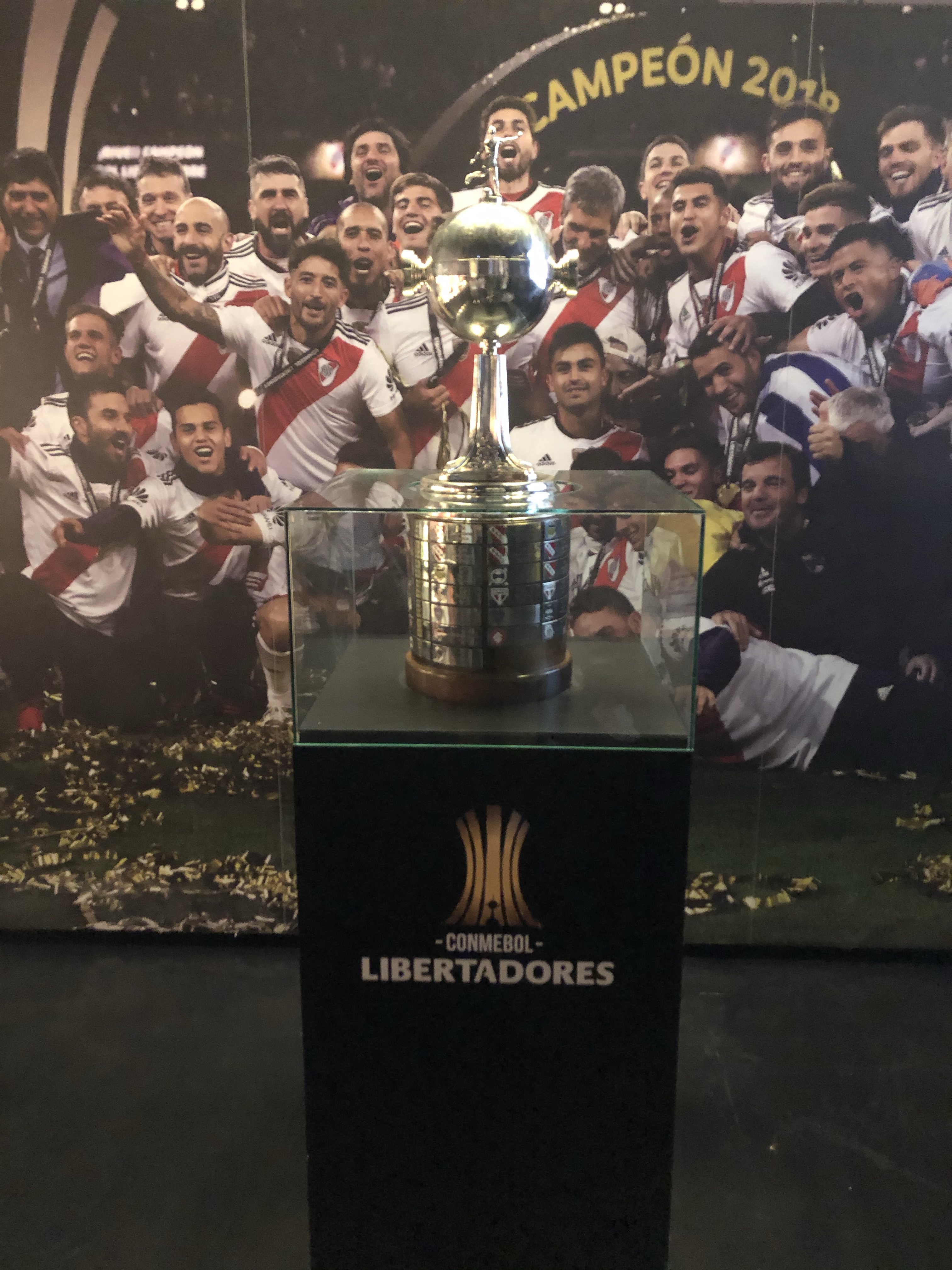
However there was one trophy that had a whole room to itself. This was the Libertadores Trophy (shown above) which represents the top club in South America. River Plate had been able to capture this 4 different years however winning it in 2018 was something that felt a little more sweeter than the previous 3. The game was won in Madrid versus an opponent they were all too familiar with, for the first time in history River Plate had faced off against their rival Boca Juniors who is the other main team in Buenos Aires. After tying their first match 2-2 it all came down to the second leg where River Plate was able to edge out Boca by a score of 3-1. As we exited the trophy room we entered into the Hall of Fame which was displayed with a long line of podiums, each one containing the resumé of a specific player as well as a shiny golden boot above them. There were around 15-20 players on this prestigious list and included the likes of Argentinian legend Hernan Crespo. The last item we saw was a large wall dedicated to their current coach, Marcelo Daniel Gallardo who has brought 2 Libertadores Trophy’s back to River Plate one being in 2015 and the other coming in 2018. Some of our students were lucky enough to see him a few days prior at breakfast in Punta del Este the only issue is that they didn’t know who he was. He had been sitting eating breakfast when some students saw a lot of people taking pictures with him so instinctively they took a photo of him too. It wasn’t until they saw the pictures of him on the walls that they noticed who he was. Overall the trip to River Plate was a huge success and all the students felt engaged as well as entertained throughout the whole tour. This is something we will never forget as a class and will always be remembered for being a once and a life time experience.
While our adventure continues towards the city of Colonia or Colonia del Sacramento, we first stopped by One of the most important locations in Uruguay’s Montevideo. The port of Montevideo or Puerto De Montevideo is a necessity to the economy of Uruguay. This is the primary location of all exports and imports to the countries goods and services. While there are other ports in the country, a great majority of the nations goods go through the port of Montevideo, this is partly because it is the entrance to the rio de Plato; which roughly translates as the road to riches, as it was one of the first places European countries were able to annex in South America while on their way to precious minerals in other South American countries. While Uruguay may not have the gold and silver that the Europeans were looking for, it was an easy entrance through the rio de Plato to rest of South America. Upon entering the port we were greeted with our tour guide, Mannuel who unfortunately was only able to give our tour through our translator Juan; who had been an immense help with us through South America, if Juan was reading this, we’d like to say thank you once again this trip would have been incredibly difficult without you.
The port today sees about 4000 crates of goods entering the country each day. It is mainly operated by ANP or the Administration National de Puertos which alone has about 700 workers that oversee the ports operations. In total there are about 3000 Uruguayans that work the at the same location. the ones who don’t work for ANP are hired by private corporations to operate facilities within the port. These can include refrigerated storage buildings for certain goods, in addition to the silos built to handle agricultural goods such as the soy products that make up a good amount of Uruguay’s exports.
As the Puerto De Montevideo is the most regulated port in the country they have strict standards. The port is notified of goods and crates 3-4 months in advance before their arrival, and each will be classified into a certain color based on the standing of the seller or company that owns each crate.To put simply there are three classes;
Green-goods are in good standing and don’t need to be checked
Yellow- paperwork is checked
Red- paperwork and cargo is checked
As a student studying global supply chain management and analytics, it was an amazing opportunity to see exactly where goods and services enter and leave a country up close and personal. Each day the port experiences tons of information from each ship coming into Uruguay and keeping all the information accountable and in order is necessary so that crates are not misplaced on one of the many storage areas of the port. The port itself is one of the irreplaceable parts of many supply chains from different corporations and governments that depend on the income from their goods. Without the port, these corporations would not be able to complete their distribution networks.
While the port was one of our more quick visits, we are grateful for the chance from Manuel and Juan to share with us such an important part of the nations economy and for the history of the port as a whole. Hopefully, if we see them again we won’t have to deal with the rain. Till next time,
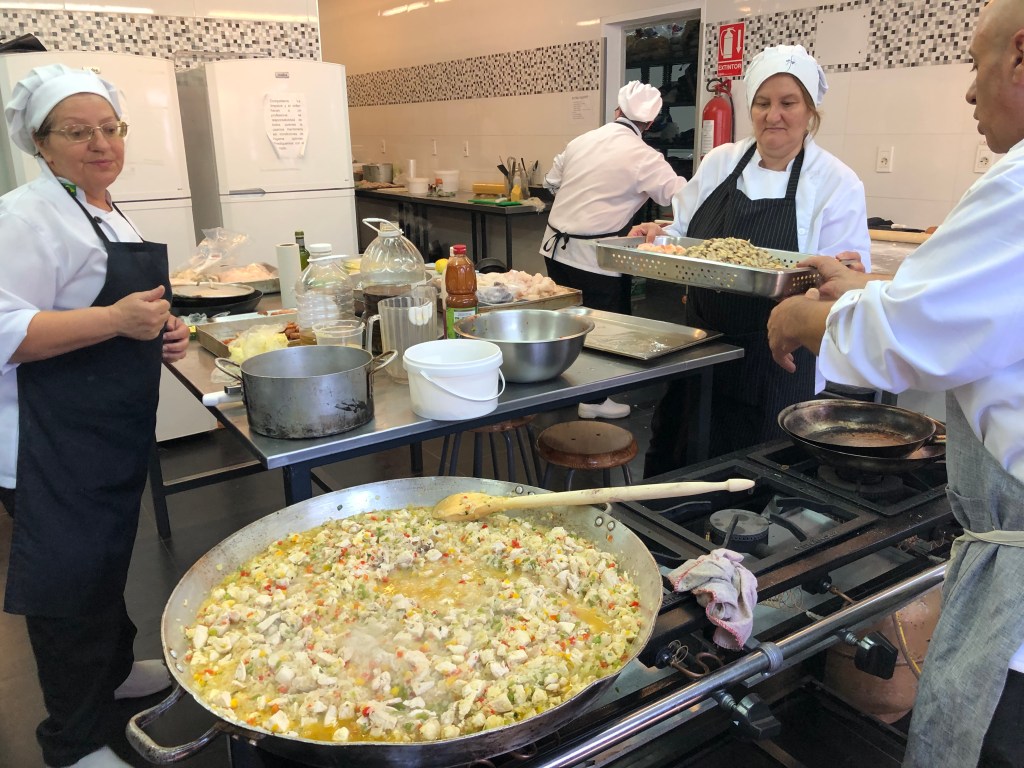
When I heard we were going to be eating at a school where people were being trained how to cook, I was a little skeptical. Were we going to be the test dummies to see if the food was edible or not? Seems like a good thing to do with the Tourists! This was the school of Gastronomy where people train for one to two years learning not just how to cook and bartend, but actually run a successful restaurant.
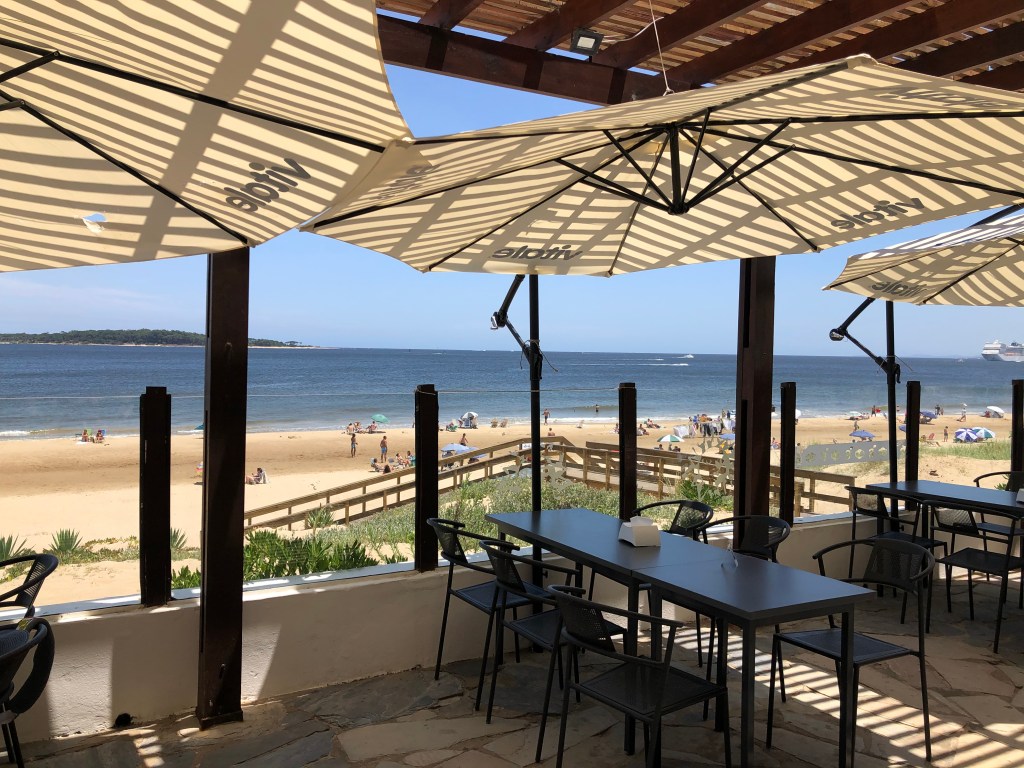
The school is one of many branches all of which interact, helping each other with different aspects of the students training. For example the meat and vegetables that we ate at lunch were grown at another school where people were being trained in food production. The students prepare food for over two hundred customers every day, coming up with new exciting dishes constantly to keep the crowds coming back. The school is located right on the beach with impressive views of the water and a small island off the coast. Here the students work on their cooking skills, experimenting with new techniques and foods to develop their own unique style that they can market as a restaurant owner when they finish school.
Close to two hundred students learn from head chef Nancy who helps them with their cooking techniques, and offers advice based on her experience working in the restaurant industry.
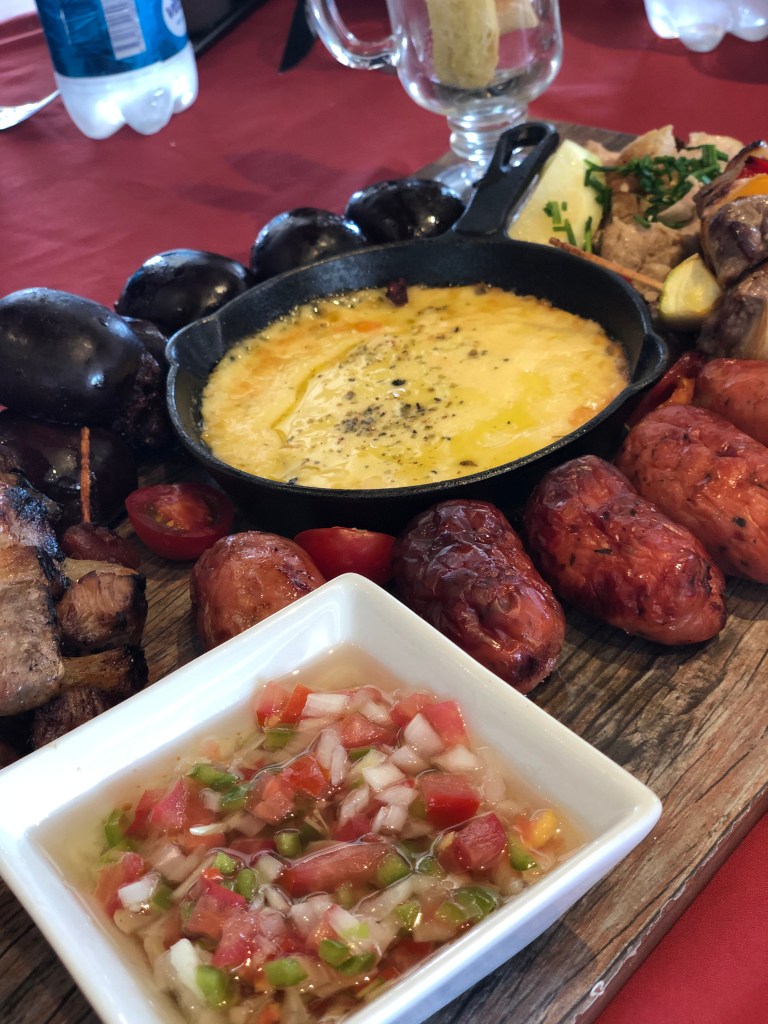
Our appetizer consisted of chorizo, blood sausage, steak skewers, baked cheese, and chicken insteine. Everything was delicious although some of us were a little shocked after finding out what we had just eaten was intestine. I’d say it’s good that they didn’t tell us beforehand because then most of us wouldn’t have tried it, but thinking objectively it actually tasted quite good.
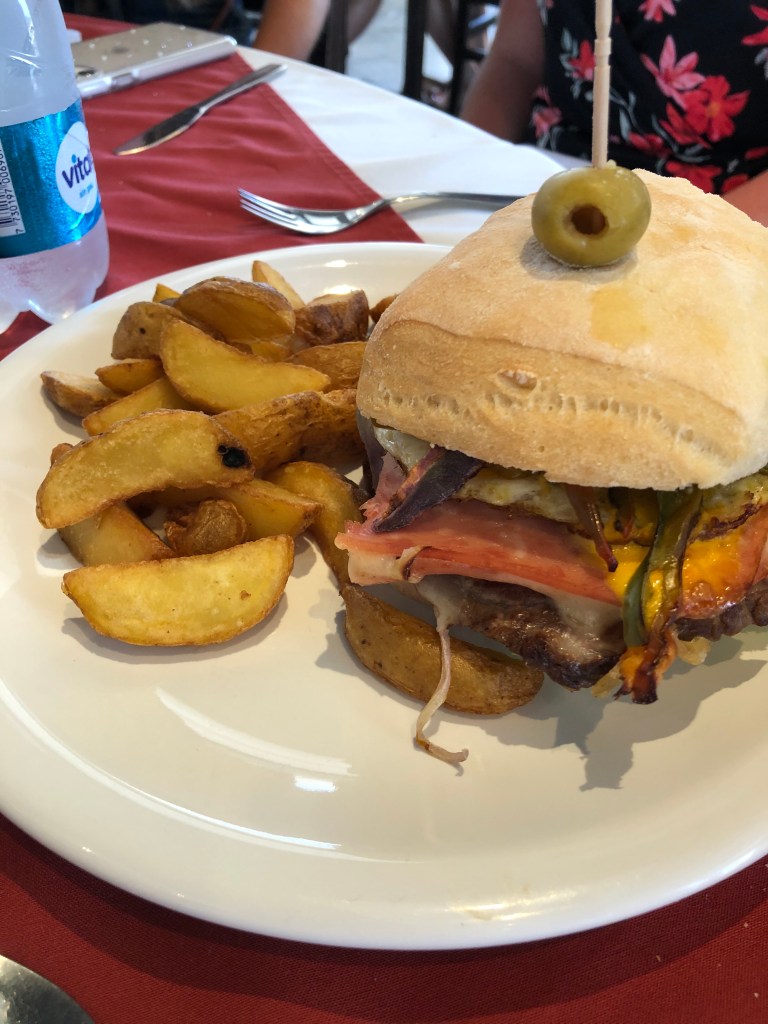
The main course was a Chivito. Chivito is a traditional Uruguayan food and one that you can find all over the country. Inside the sandwich was a thin strip of steak, ham, cheese, a fried egg, cooked peppers, and lettuce. The meal was truly delicious, and we all left stuffed unable to eat any more. The students making the food couldn’t have been more than twenty years old, and already the food that they were creating was far better than many of the dishes we had tasted out at nicer restaurants. In my opinion the school is doing a great job training the students to become talented chefs. I can only hope that some come to the United States one day so that I can try their cooking again.
For the first time since arriving in Punta Del Este, our group had to be up early and cleared out of the hotel at 7:15 this morning. After a quick breakfast, the 37 of us loaded onto the bus with our luggage and prepared for a two hour bus ride. Our destination? Back to Montevideo to meet with CodigoDelSur, a mobile app and web development company.
After a quiet and uneventful ride, Sofia woke up the deep sleepers as we were entering a residential area, which was a surprise to me. When I learned that we were going to an app development company, I assumed that it would be found in one of the skyscrapers such as the one we attended the WTC meeting at. However, this was not the case, as she informed us that Codigo was in this neighborhood. After a couple of minutes, the bus came to a stop along the sidewalk and we all filed out and crossed the street to what originally appeared to be another residence, but I could not have been more wrong. Although I can’t speak for all of my classmates, I was shocked to see that the company was located in a massive three-story house flanked by a pool, hammocks, and a smaller, more modern structure towards the back of the property(below). Clearly, it was nothing I had pictured.
The building with CodigoDelSur’s offices.
We were met at the gate by Carla Martinovic, the head of business development at CodigoDelSur. After a quick bathroom break, we were brought to the building behind the pool for a short presentation about the company. To keep it simple, Carla broke up the presentation into three categories: Our Company, Sales and Marketing, and Success Cases. Similar to her, my summary will be going in the same order.
To provide a brief background of the company, CodigoDelSur is a 12-year-old app and web development company that employs more than 90 people. Of these 90 people, approximately half focus on mobile app development while the other half strictly look at web development with a design team in each. We also learned that Codiga has two main client groups. Enterprise clients are bigger, more developed companies that result in longer term projects for CodigoDelSur(6+ months). On the other hand, startups often seek basic projects(3-4 months) and return to Codiga seeking improvements once the startup is established and receives enough funding. In such a competitive industry, this company needs to do an excellent job meeting the needs of their clients, and it seemed as if they were doing so.
Moving onto sales and marketing, I was surprised to learn that 90% of CodigoDelSur’s clients are located within the United States. This was originally a shock to me; however, it began to make more sense as Carla explained that the US has a much larger number of potential clients than in countries around here. In addition, Codiga offers slightly cheaper prices than US competitors; however, it is not low enough to attract local clients. Although this pricing allows them to undercut their competition in the US, they have lost out on a developing market in not just Uruguay, but other Latin American countries as well.
Carla also mentioned that there are a variety of challenges that come with working abroad. During the presentation, I asked if their employees ever travel abroad and meet face-to-face with their clients, but it turns out that they do not. This poses a slight communication problem but can be overcome with frequent conversations with their clients abroad. Another issue that they face is a difference in work methodology. In the US, we often find businesses operating at a slow and steady pace that creates a more relaxed environment for its workers. On the other side, CodigoDelSur utilizes scrum methodology, a practice in which companies work extremely hard for two weeks or so and then step back and analyze their progress- a sprint of sorts. All I know is that we learned this in management this last semester and Professor Kwesiga(my instructor) was extremely happy to see a company using this method. Despite the difference in work methods, these are all professionals and are able to adapt to any work environment.
To conclude the presentation, Carla showed us a couple of companies that they have had success dealing with. Their most well-known client was Shutterfly, who they had been working with for the last five years and has over 220 million users. CodigoDelSur also has 17 people assigned to GrubHub, an online food delivery service, and 22 people working with SupremeGolf, a site that allows people to book tee times. In terms of startups, they have helped DroneDeploy(The world’s #1 drone app), as well as Skout and Kindara. This is just a small list of the many clients they have helped, and I’m sure that they will be successful with the 10 clients that they have currently.
The presentation room!
Once the presentation was complete, Carla and a couple of other Codiga employees took us on a tour of the office. We started on the first floor in a large living area that featured a moving Mona Lisa, a piano, and some facial recognition software that we all played around with, among other things. All of the surrounding decorations were unique as well; by no means was this your ordinary office building. We went down a small flight of stairs that led us right into a small game room that contained a ping pong table, a foosball table, and a small workout machine. There was also a basketball hoop outside in the parking lot where a couple of employees were shooting around. We then ventured to the top two floors; however, this was not nearly as exciting. It primarily held offices were we saw dozens of employees working. This company clearly promotes collaboration, as there were no cubicles to be found. Instead, the workers were found at large tables all communicating freely. The tour provided us with even more insight into the company than I had expected, and I’m very glad that we got the opportunity to.
This was the piano on the first floor, among other things. The game room! Garrett and Randall beat Professor Marnane and Anthony in a quick match.
The main insight that I had, as well as Professor Kwesiga, was that it was an awesome work environment for CodigoDelSur’s employees. During management this year, we watched a video that took us through Google’s headquarter’s in California, and I could find a lot of similarities in both companies. Of course Codigo isn’t at the same scale Google, but they are promoting more relaxed work environments, both physically and mentally. Workers were dressed down and clearly had the ability to take breaks when they felt necessary. In addition, the game room and other activities throughout the office provided nice distractions to employees during their stressful two week ‘sprints’. All of this will help to recruit employees in such a competitive industry and will benefit CodigoDelSur in the long run.
Overall, we are all very appreciative of Carla and the rest of the team at CodigoDelSur for hosting us today. It was an excellent experience that allowed me to take what we learned in class and applied it to a real company that was extremely competitive in their industry. They are also at the forefront of a movement to stray from the stressful office life of many companies and create a different environment in which their employees can thrive.
This was the first stop in our very busy yet adventurous Tuesday, and you’ll be hearing from Kiana and Randy highlighting our other outings throughout the day.
Today was our last day in Uruguay and we ended our time in that amazing country with a visit to the beautiful world heritage site, Colonia del Sacramento.
Our tour guide, Sofía Guardone, gave us a little background information on the colony as we rode there. This was a colony first established in 1680 by Manuel Lobo by order of the Portuguese crown. There were numerous conflicts and attempted resolutions such as the Spanish War of Succession and the subsequent Siege of Colonia del Sacramento, The Treaty of Utrecht, and the Spanish-Portuguese War, which led to the colony being continually swapped between the two powers for the next 128 years. Colonia del Sacramento finally found stability and peace when Uruguay gained independence in 1828 and took possession of the area.
After learning a bit about the colony both from Sofía and what we could recall from our pre-depature class, we broke up into small groups to explore the colony at our own pace.
My group started by exploring the old colony parts. As a result of the extensive history between Spain and Portugal, Colonia del Sacramento is a unique blend of both the cultures. This is most clearly reflected in the infrastructure. (The convergence of Portuguese and Spanish roads)
As the area continued to expand, whichever country was in charge built the infrastructure in their own style. Portugal built bumpy narrow windy roads that were dictated by the landscape. Spain on the other hand built wide and flat roads where they needed them to be. The same ideology applied to the buildings. Portugal had stone and tile buildings that worked with the environment while Spain had buildings in a more modern block style.
(A Portuguese style building)
(Floor plan of a Portuguese Building)
(Spanish block layout)
After exploring the roads, looking at all the buildings, and reading the historic plaques, we toured the streets and visited the little shops on the sides of the street. There was everything from cute tourist souvenir shops to boutiques to hand crafted scarves.
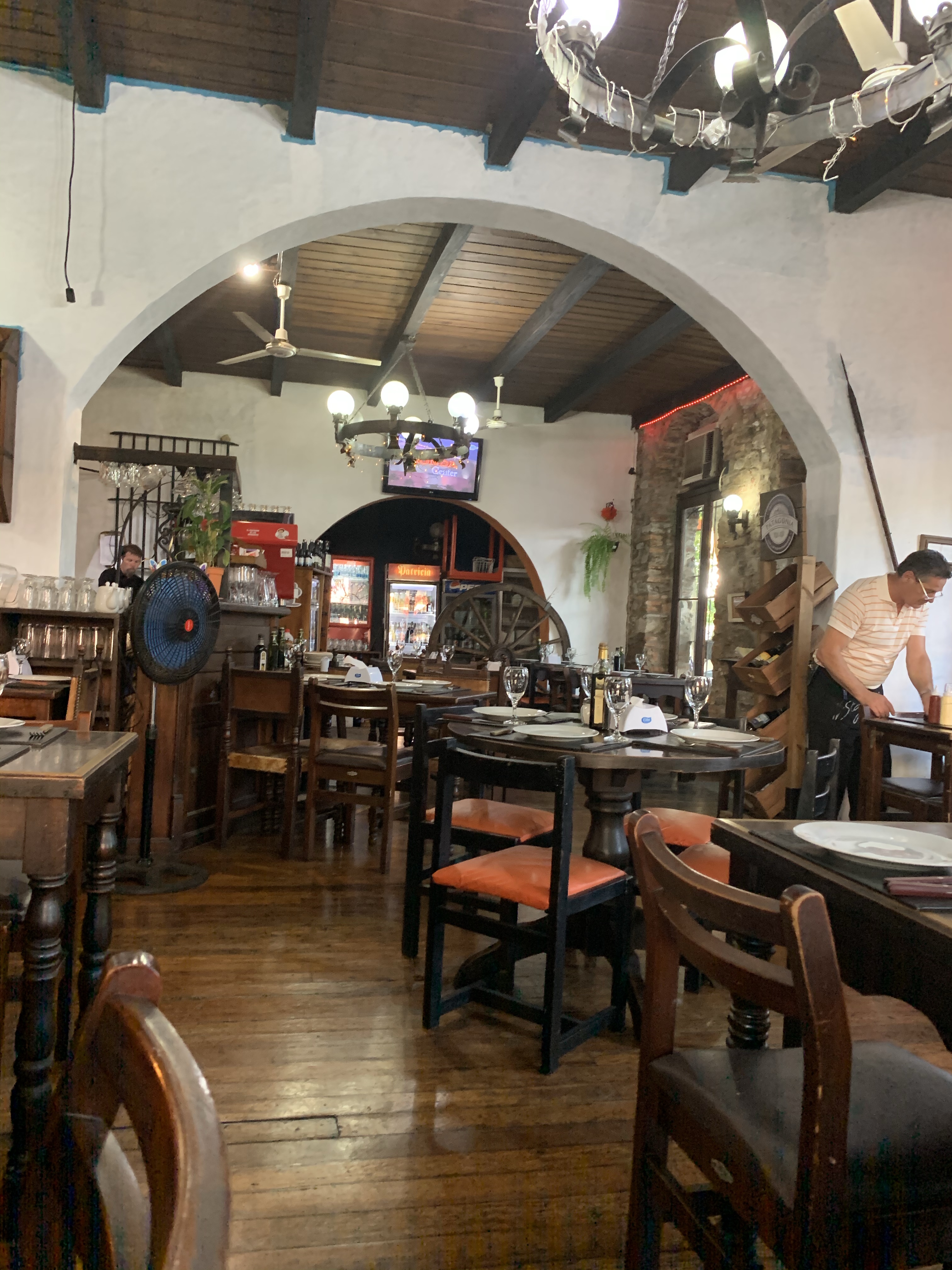
From there we decided to take a break from the hot sun and had dinner at a lovely restaurant called “Punta Pierda” in the Historic Quarter of Colonia del Sacramento. Everyone in my group had some type of pasta dish. Despite the significant influences of Portuguese and Spanish, Italian won out for our dinner choice.
(Punta Pierda)
After dinner we passed a few more small stores and a gelato shop before we headed on the bus to catch the ferry back to Buenos Aires.
On this beautiful 78 degree morning we are leaving the wonderful city of Montevideo and entering Punta Del Este, the Hamptons of South America. It is the perfect day to relax at one of the many sandy beaches located in this tourist filled city.
Punta Del Este is the piece of land separating the Rio de la Plata, which we saw in both Buenos Aires and Montevideo, from the Atlantic Ocean. It is filled with miles of gorgeous beaches, upscale restaurants, luxury resorts, and vibrant nightlife. While there is a small population of 12,000 people, due to the expensive cost of living, the city is constantly filled with individuals from all over the world looking for an extravagant yet relaxing vacation. During the summer there are 400,000 people in the city.
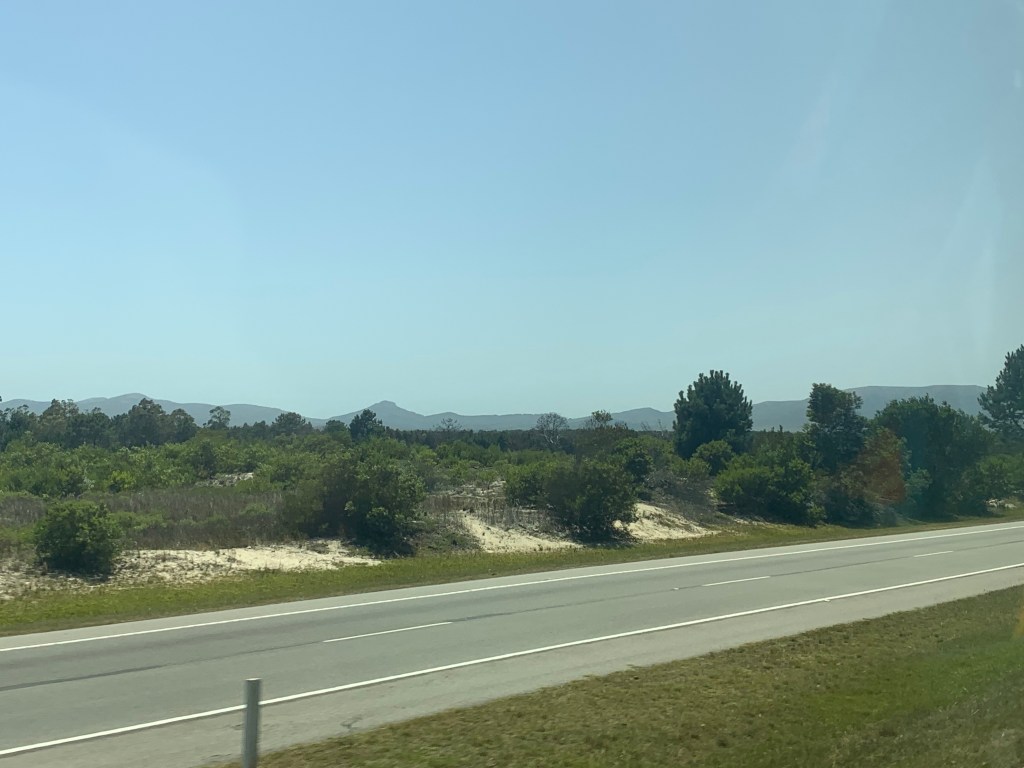
This morning, we left the Aloft Hotel at around 10am allowing many of us to sleep in and wake up refreshed from the past week of activities. We had a quick breakfast at the hotel, checked out, and boarded the bus ready for a two hour ride to Punta del Este. There is never too much sleep on a trip like this, so the bus was silent as people napped or relaxed and listened to music. The ride was filled with beautiful views of trees, mountains, rivers, and fields filled with livestock. An extreme difference from the building filled cities we have been staying in. We even witnessed a man riding a horse down the center of the highway!
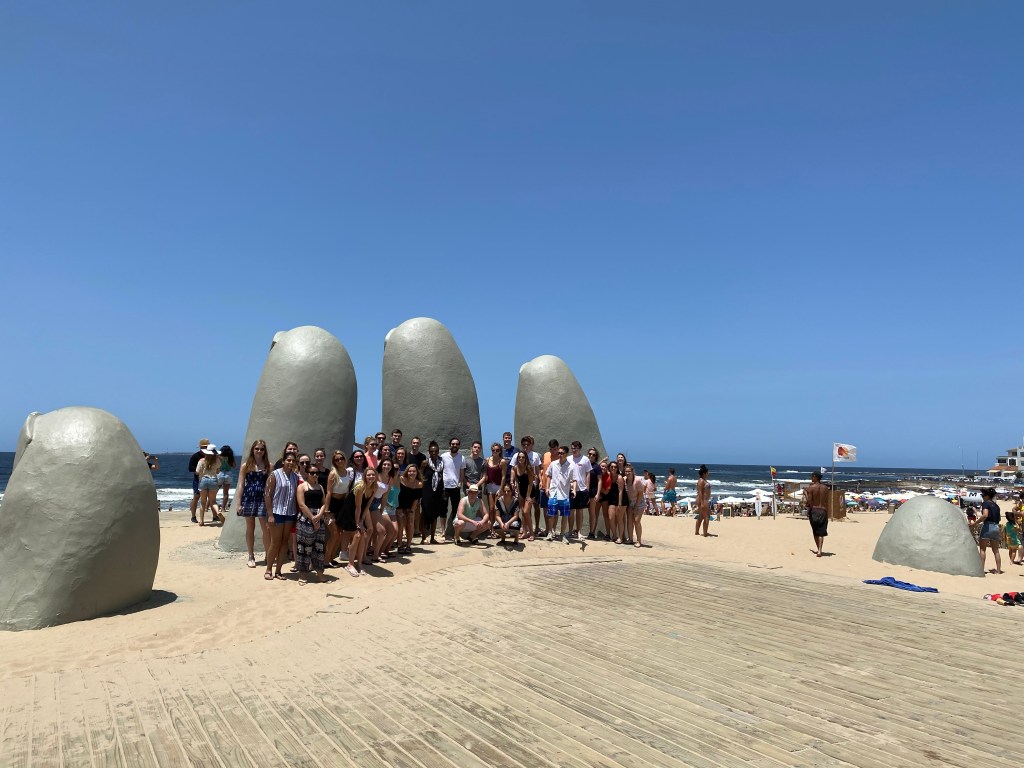
We arrived to Punta del Este just after 12. The temperature had climbed multiple degrees and since it was too early to check into our hotel rooms, we all went to the beach where we saw the famous sculpture of a giant hand emerging from the sand. There are multiple names for this piece of art constructed by Mario Irarrázabal including La Mano (The Hand), Monumento el Ahogado (Monument of the Drowning Man), Los Dedos (The Fingers), or Hombre Emergiendo de la Vida (Man Emerging into Life).
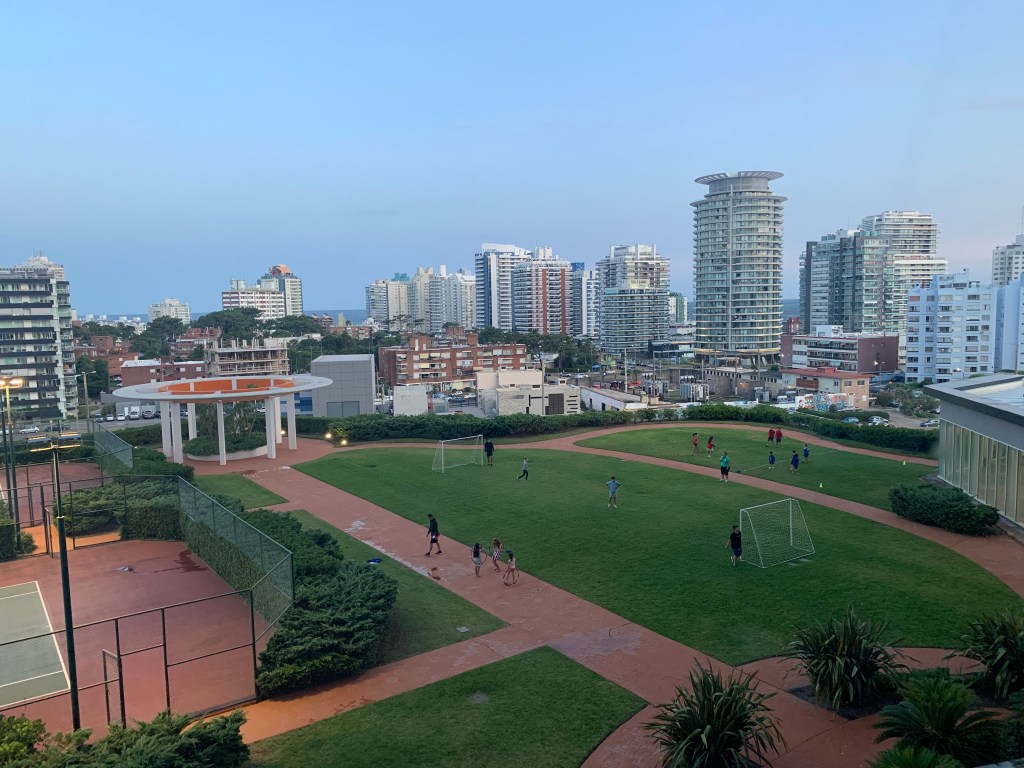
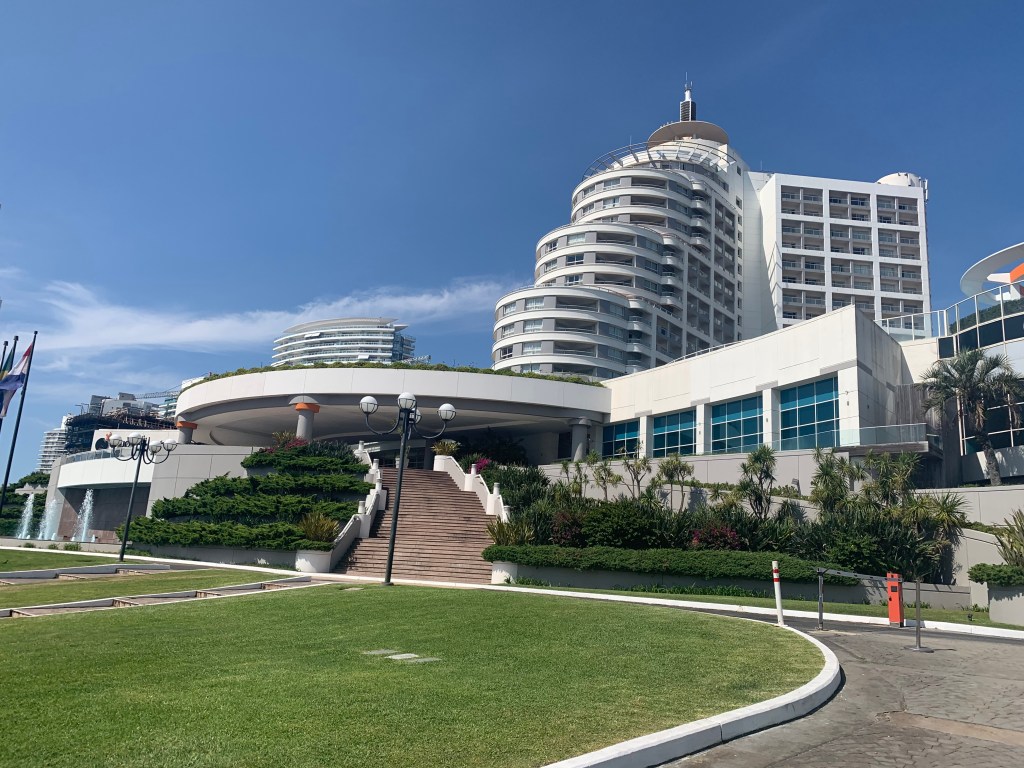
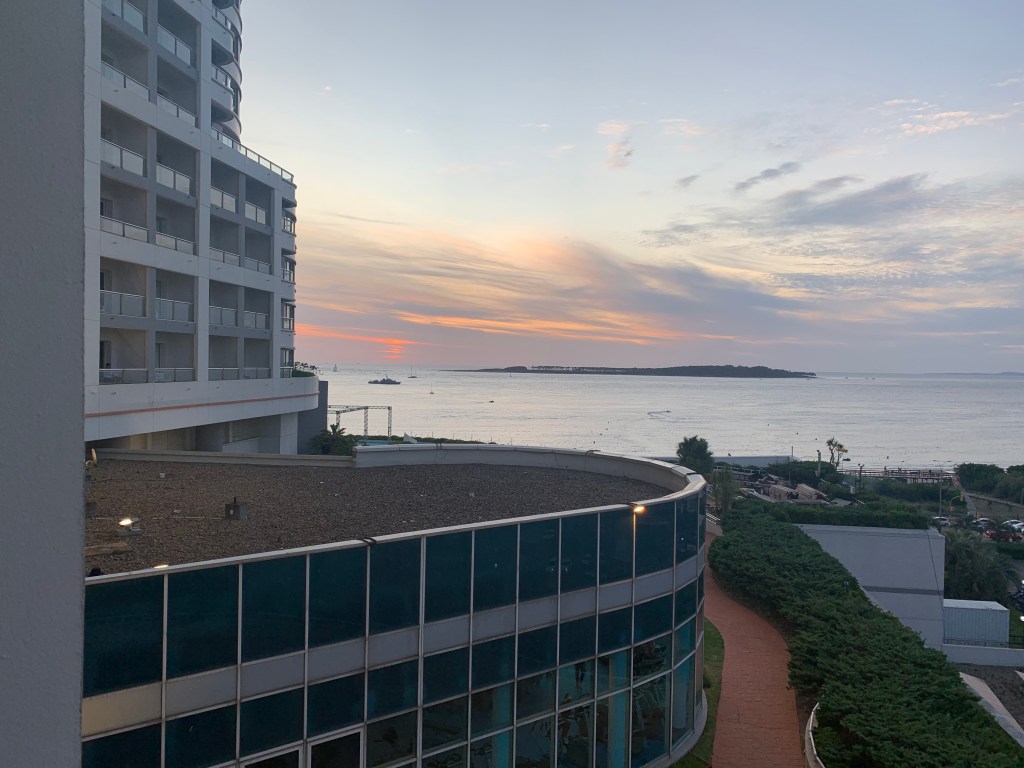
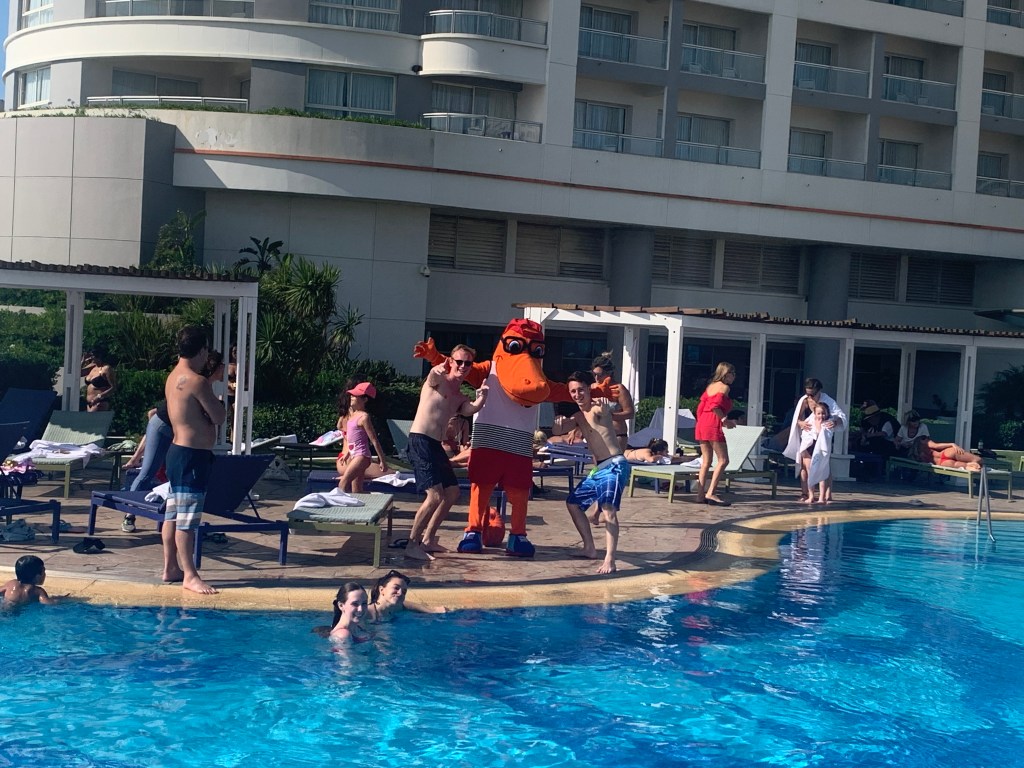
After taking a group picture with The Hand, we stopped at the hotel to drop off our luggage. It is called Enjoy Punta del Este Resort and includes a spa, a couple of pools, restaurants, shops, and a casino. Our rooms include two large beds and a balcony overlooking the ocean. We then had the rest of the day free to choose what we would like to do. Many of us grabbed a quick bite to eat then went to the beach to lay in the sun and go in the water. Another popular option was to hangout by the pool and hot tub or go shopping.
As it began to get chillier, people went out to dinner around 9pm. Many of us went to a restaurant near the hotel called Parrillada La Cava. It had a variety of food including different cuts of meat, seafood, and pasta. The majority of our group was very happy with their food. Punta del Este has many cute shops and bars, so there were plenty of options for people to do after dinner. Many of us ended up hanging out in the hotel, and some chose to go to the dance club at the hotel.
Overall, everyone has been extremely happy to arrive to Punta del Este. There are many activities to do, things to eat, and places to go. It is too bad we only have one more full day in this beautiful city!
After our first day in Montevideo, the group was ready for a fun filled second day before heading the Punta del Este. We began our morning with a tour of the city. We used our bus and had Gustavo as our driver, and Silvana, a local in Montevideo, shared so much information on the city and its history. To begin our tour, we drove along the Rambla which is the main avenue that stretches from Uruguay’s port to its airport. With buildings on one side and water on the other, its a popular area for people to be walking so they can get to their condo in the condominium complexes or go to one of the beaches along the Rambla. The Rambla is a huge part of life in Uruguay because of its length and location in the country.
The very first piece of information Silvana shared with us that the mall in front of the hotel we are staying at used to be a prison! The front exterior of the mall is made of the old prison wall and you can tell by how thick the wall is made to be. We were all surprised to learn this as many of us had gone shopping there the night before. The prison was named Punta Carretas, and the mall and neighborhood where we stayed are also called Punta Carretas. Carretas means Wagons, and many years ago, Montevideo had wagons as its main form of travel and transportation. The wagons also used to bring waste to the peninsula where the light house is, which is how the neighborhood got its names.
Silvana then went on to discuss more of the history of Montevideo. The city was founded in 1726. This is very late for the city as many others were founded almost 200 years earlier. Explorers landed in Uruguay in 1516, but were killed by indigenous people who wanted to protect their land. Montevideo was later established after explorers who wanted to reach the cities that had gold and silver would take the River Plata and stop in the natural port of Montevideo. This began the foundation of the old city which we were able to visit.
As the city has developed, the modern city has grown into where the old city is. The country has kept as much if the original wall and gate entrance to the city as they could to preserve the history. This reminded me of the way we preserve the history of our school with the Archway that we have at Bryant, but hopefully we weren’t cursed with the risk of not graduating on time by walking through the gate.
Another site we were able to see was the statue of Artigas. Uruguay believes that Artigas is the country’s hero because he was the one who decided the country was ready to be independent. In the square in front of the entrance is his statue and mausoleum that is meant to honor all he has done for the country. When they gained their independence in 1885, the country was able to create their own constitution and have the government structure the desired.
Another site that was interesting to us was when we visited the Congress building. I noticed throughout the trip that in any sense of government, security seems pretty relaxed. The people of Montevideo always know where their President is and it seemed as if we could walk right into the Congress building without anyone stopping us. Across the street from the Congress building there was a park that featured graffiti by local artists. The government in Uruguay is working to get all of the artists together and give them each an area where they can express their work because it has become such an issue in the city. Some students also enjoyed the different aspects of the park.
Another point Silvana spoke about regarding the government was Batlle Park and how it got its name. Uruguay has had four different presidents from the Batlle family. This was not due to democracy, but rather election by the people. We had a similar phenomenon in our goverment when we had two members of the Bush family hold office, but we haven’t had more than two members of a family in all of our history. In this park, there is a monument that commemorates the history of the wagons that the country once relied on. We too relied on wagons at one time in the US, but we used cotton to cover the tops of them and had four wheels. Uruguay does not have the proper climate to grow cotton, so they had thatch roofs on their wagons. They also used two wheels instead of four because they believed it was easier to maneuver.
We ended the tour by having lunch in the port market. Overall, we really learned a lot about Uruguay during our city tour and are excited for the rest of our time here!
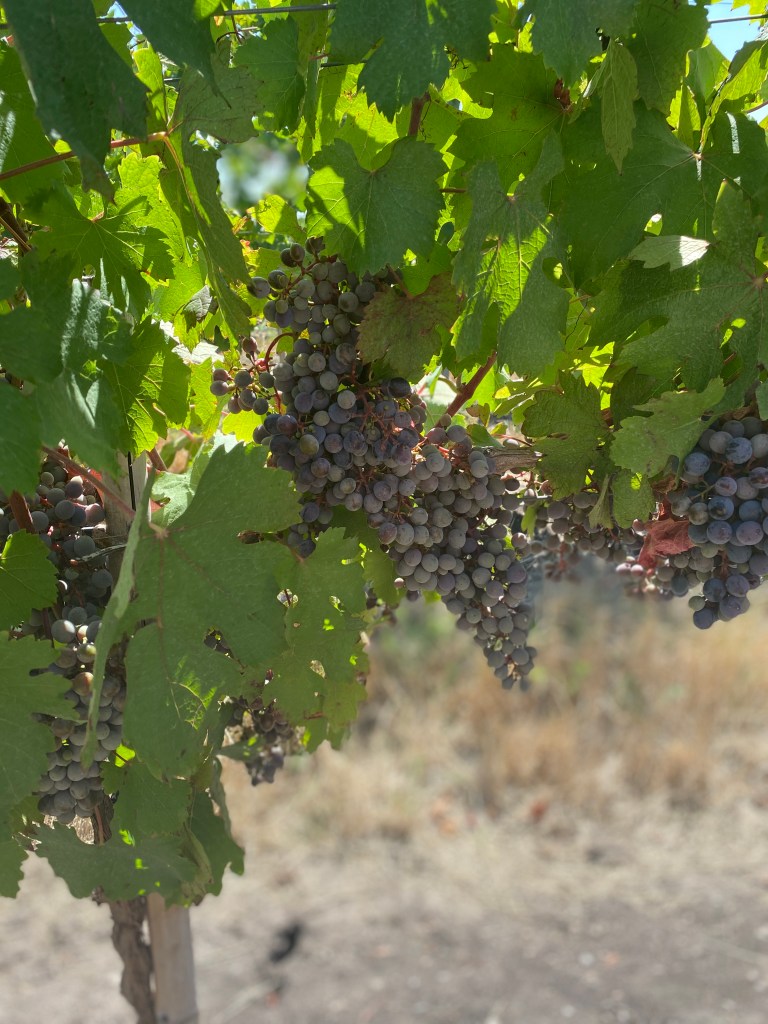
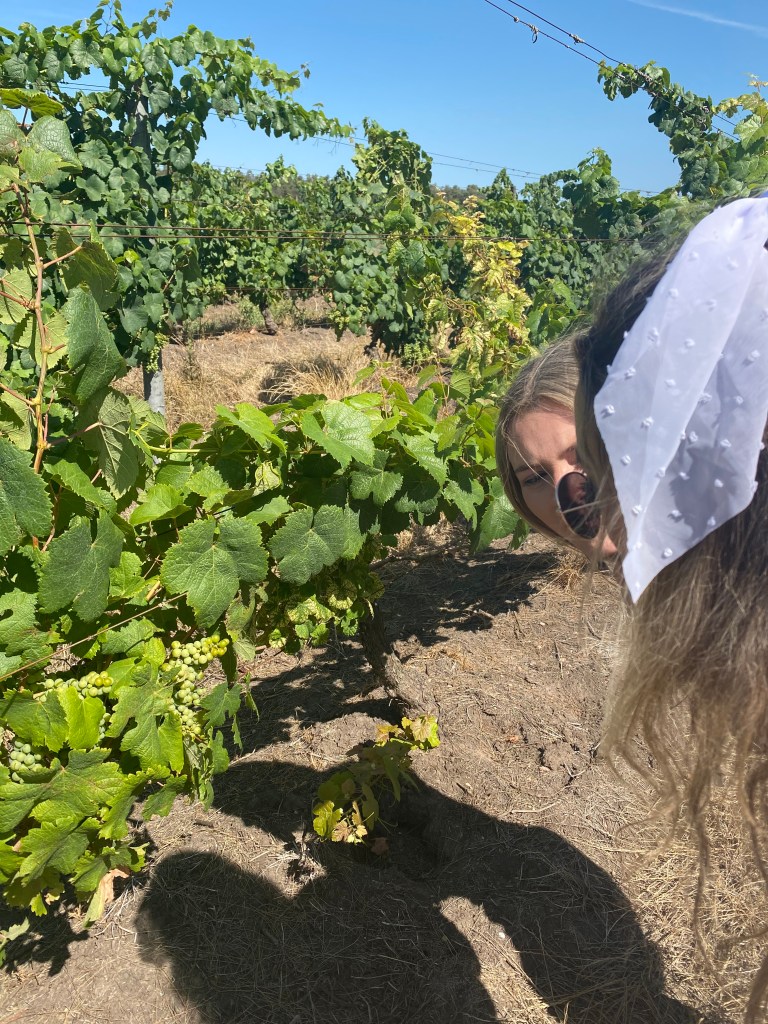
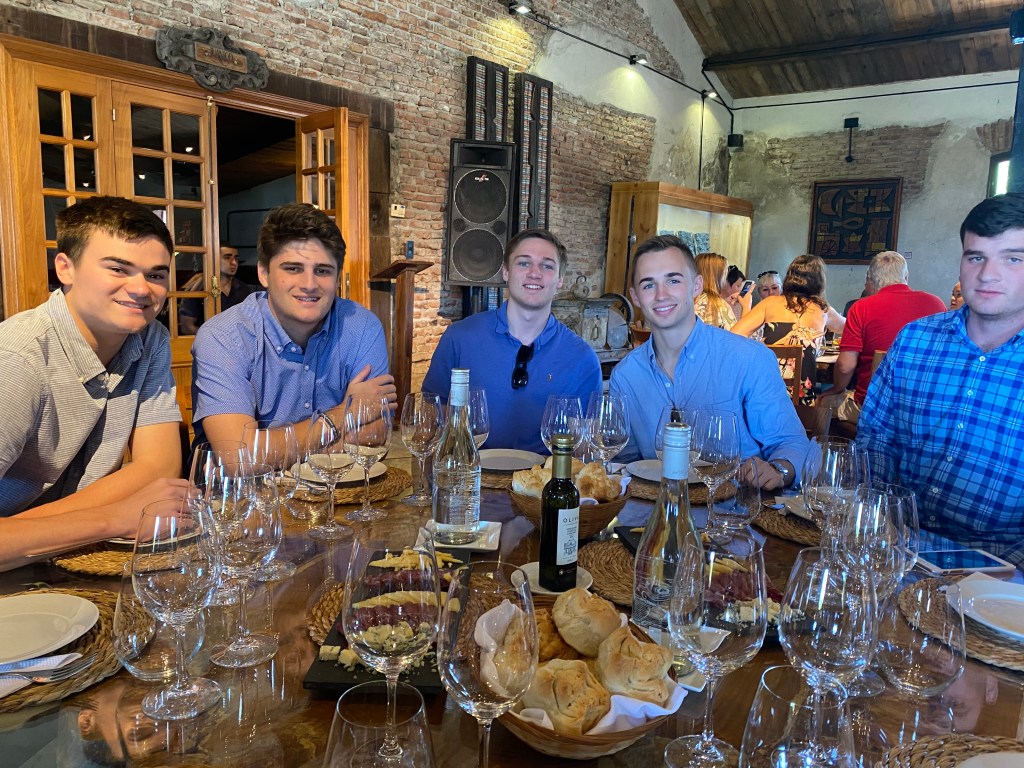
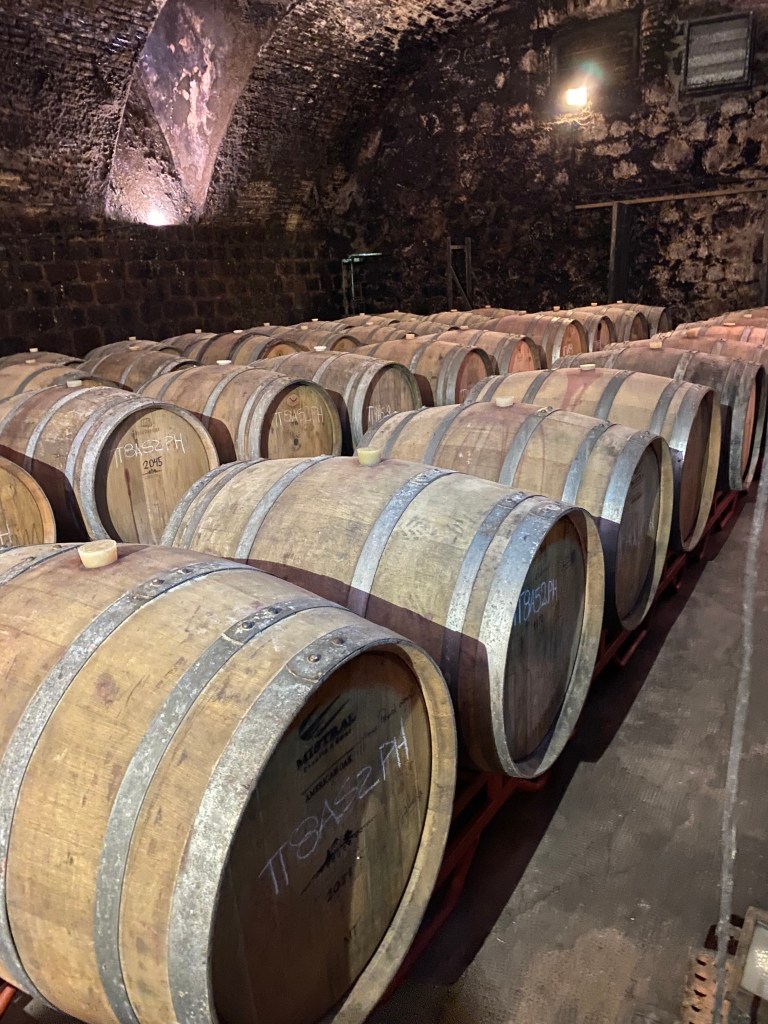
On Saturday the 11th, we traveled to one of the most well known and most successful wineries in Uruguay, Establecimiento Juanico. Upon arrival we were greeted by a representative from the winery. She started out by giving the group a brief history of the land the winery is on, starting in 1745 the land was populated with indigenous people, their exchange of culture and religion with settlers brought about new customs and traditions including wine making. In 1979 the Deices family bought the land which now totals over 620 acres of vineyards. Today the winery produces a plethora of wine options that are sold all across the world. This was a new experience for many students and many including myself did not know how much went into the making of wine, but were eager to learn.
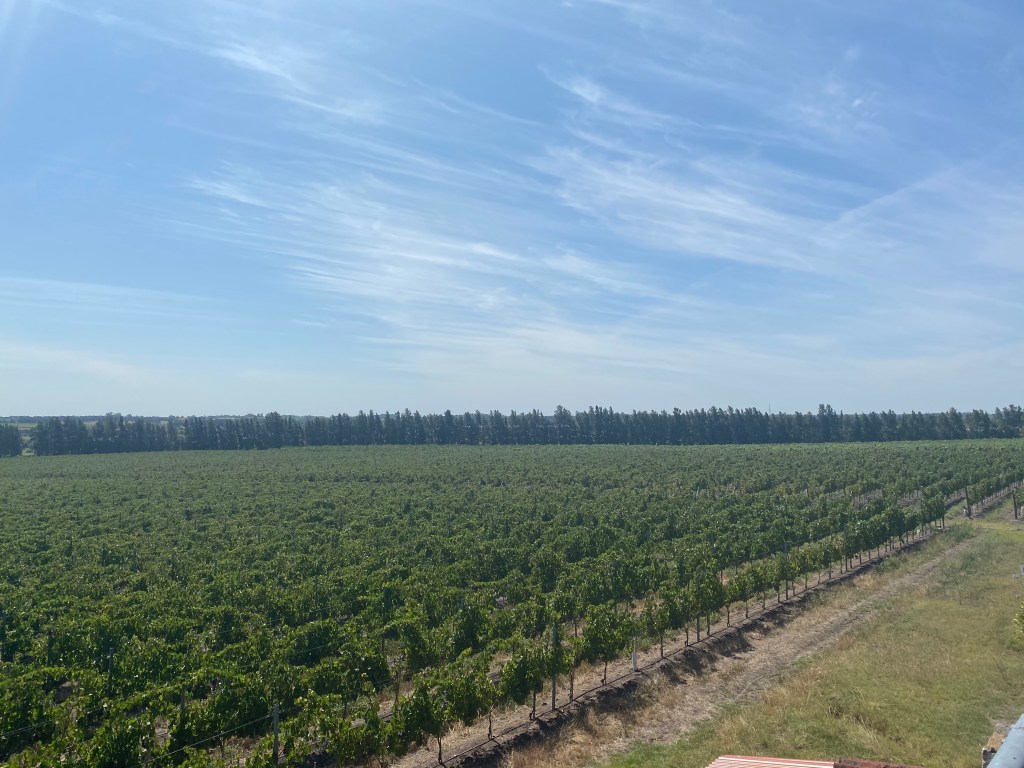
After going down a long narrow road that weaved through their many vineyards we arrived at an overlook where the students were able to see just how much property the Deices family owned. The representative from the winery harped on the importance they place on creating the highest quality of wine possible. This contributed to the amount of land. Since chemicals are not put into the ground where the vines grow, and due to the excess rain they usually receive they have to let land rest after being harvested for about 5-10 years. With the harvest season coming up the winery expects to hire 500 more people to help with the process, they chose to hand pick grapes to ensure high quality rather than using machines like most. From a business standpoint it was obvious just how much this establishment cared about their products and what they were selling to their customers.
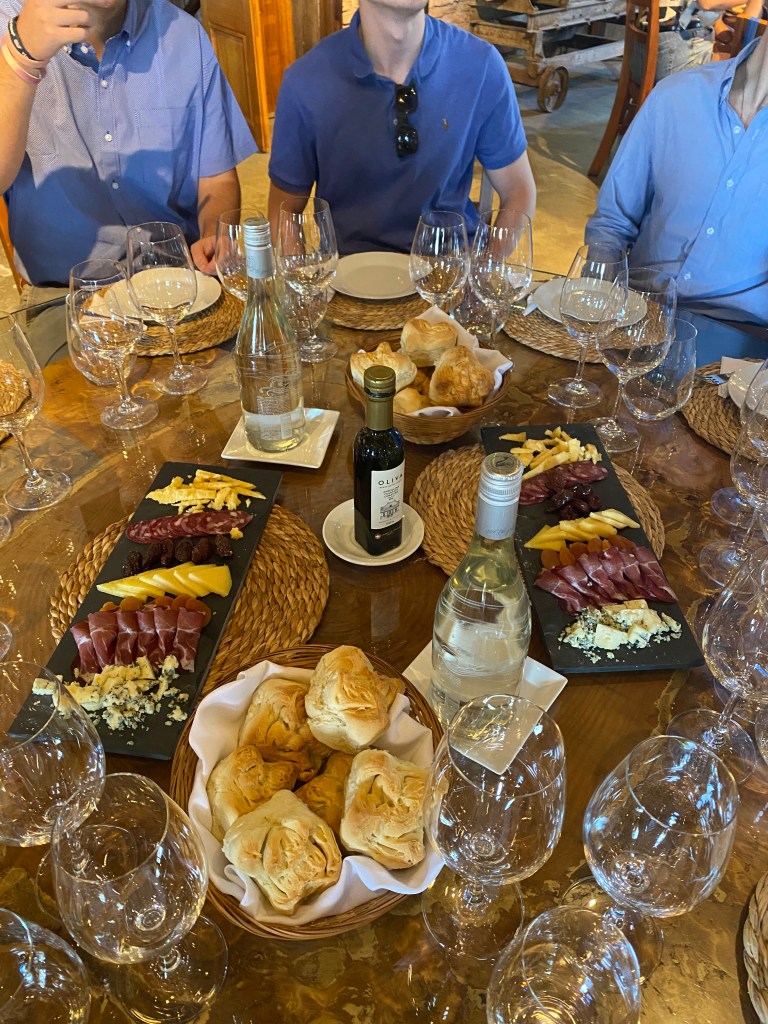
We had the opportunity to taste a sample of their most well known wines. We were seated at big round tables that welcomed conversation amongst the people whom you sat with. On the table was an assortment of fruits, cheeses and bread to accompany the wine while being sipped. The first thing we were explained was the correct way to both hold and taste wine, step one was to smell, step two was to swirl and step three was to taste, all while holding the glass by the stem so your hand does not end up effecting the temperature of the wine. The first wine we received was a white wine called Sauvignon Blanc, students at my table seemed to like this wine because it was not too bold. The second wine tasted was Tennat Rosè which seemed to be more bold but not too much flavor, as it could be “paired with any meal.” Third and forth wines tasted were more complex and had an array of ingredients creating a longer lasting aroma. The last wine tasted was their Tennat wine, this was the original and only wine they produced starting out. It was extremely bold and bitter but many liked it and ended up leaving with a bottle.
Leaving this event, we all seemed to be surprised at how much wine making required and as Mariana Belocas stated “it is more of an art than anything else.” This experience was definitely a once in a lifetime opportunity, as we learned not only about wine but about different values businesses have in different cultures.
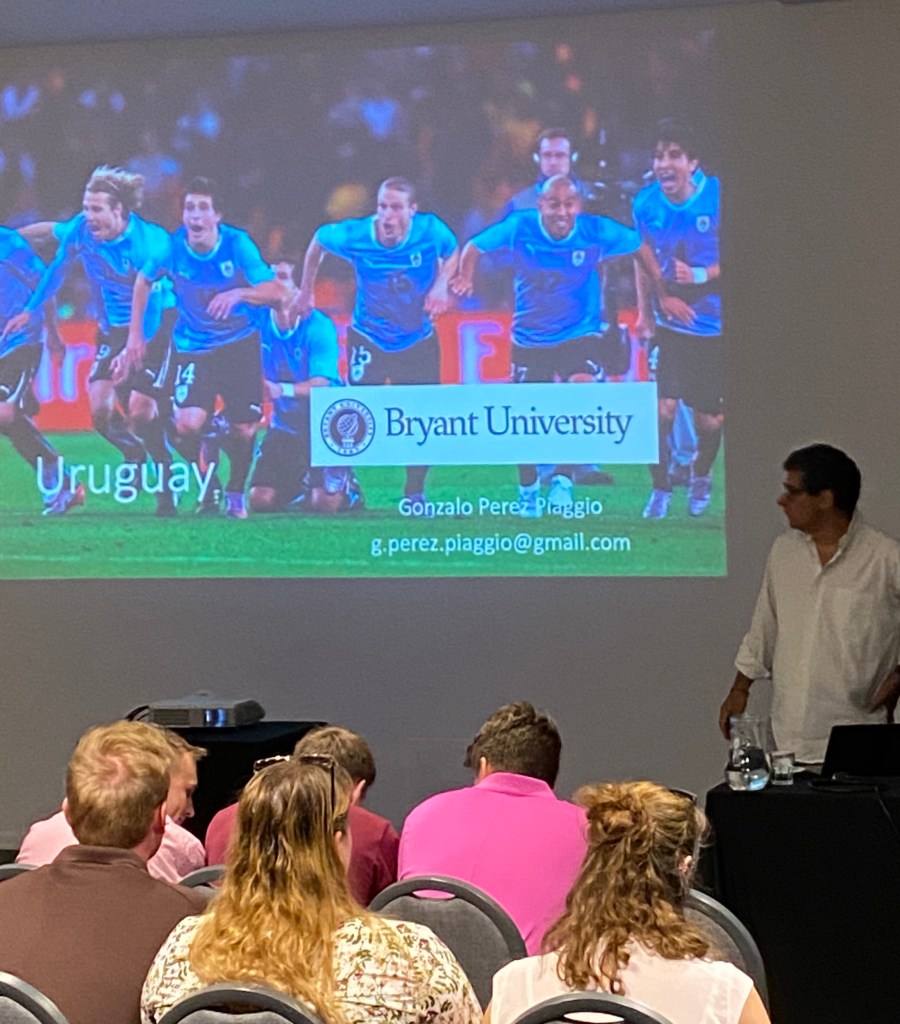
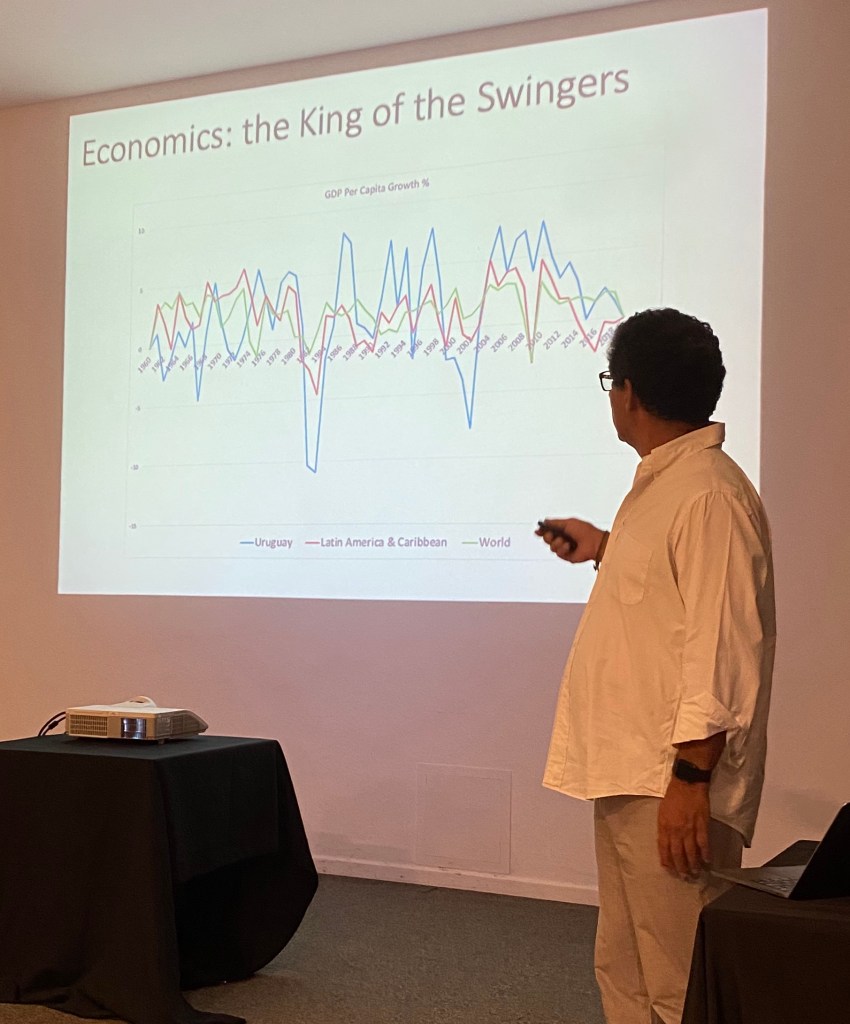
Odd you say? This is how Gonzalo Perez Piaggio, an economist and a professor at Deakin University, referred to the political and economic status of Uruguay while speaking with us at the Esplendor Montevideo Hotel.
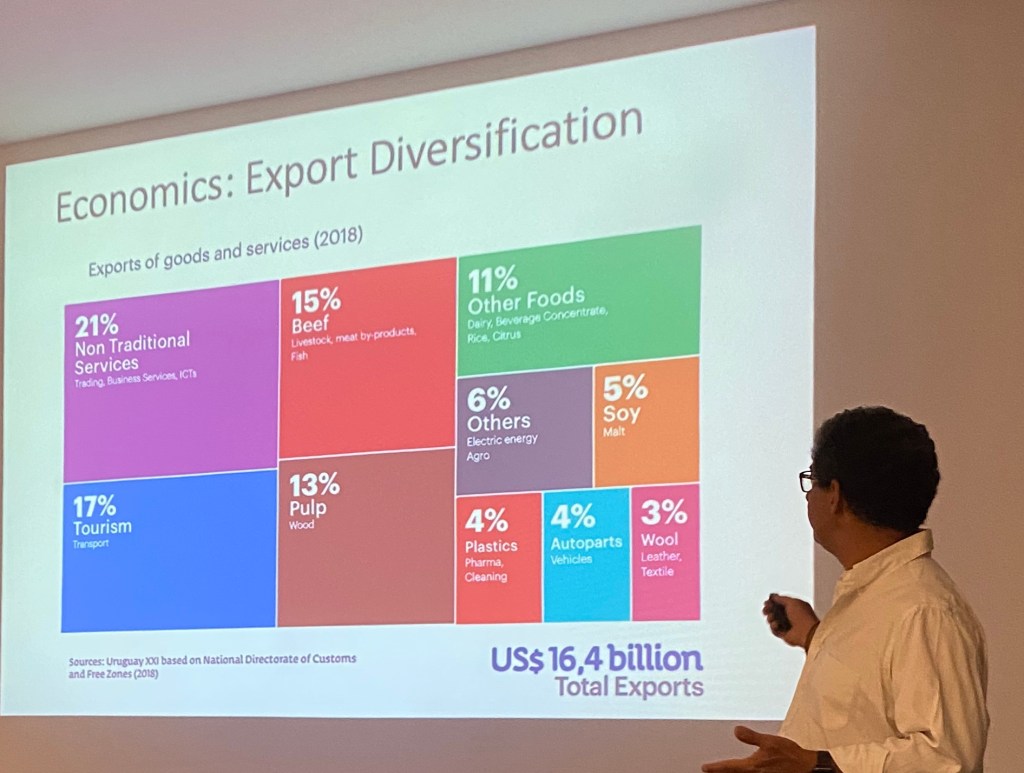
To begin with, Gonzalo discussed the history of Uruguay . Uruguay gained independence in 1825 and was founded on the principle of promoting civil and religious liberties. As time continued, Uruguay had a few indigenous groups and a low indigenous population. This is because of they heavy influences from Italy and Spain with 94% of there population being of that ancestry. All the way up into the 1950s Uruguay was one of the wealthiest countries in the world till Australia and New Zealand become direct competitors with them when coming to trade. This impacted Uruguay’s three biggest exports: beef, other foods, and wool. Moving on, Gonzalo stated Uruguay’s mix of traditional, secular, and survival values are what brings it great political and social stability. These values are a driving force in democracy. Today this is why Uruguay is one of the two full democracies in Latin America. Additionally, because of these values, Uruguay touts the highest transparency between its people and government at any country in Latin America and freedom of information is also scored very well for a Latin American country. Thus, proving Gonzalo’s point that a country with only 3.5 million people might be a little bit different than the rest of Latin America.
Gonzalo then went on to talk about the two major recessions in Uruguayan history. The first one he did not dive too deep into but in the 1980s Uruguay had an issue with its currency because it was pegged to the United States Dollar. The other major recession occurred in 2002 when it began with Brazil and Argentina’s decrease in value of there currency and citizens of those countries having substantial funds in Uruguayan banks. So when times become tough they all tried to withdraw their money at the same time which is known as a run on banks, or liquidity risk. The fallout of this was massive with Uruguay almost defaulting on their loans, but they cut the necessary costs and increased tariffs to not default. This is important in there recovery because if they did default they would have had to agree to austerity measures from the IMF to bail them out and also lose access to international credit. During this time period, poverty doubled from 15% to 30%. Also, they lost a lot of there people seeking work elsewhere with a 500,000 to 600,000 immigration outflow. Additionally, they had 3 out of there 17 banks at the time go bankrupt and their bonds downgraded to a junk rating.
Moving on, Gonzalo then went on to talk about some weakness Uruguay faces today:
A slowing economy and growing unemployment (8.5% up 1% in 2019) due to this
Lack of international markets
A budget deficit of 5%, a risk to credit rating
Traditional 12-year schooling has a graduation rate of 40%
Cost of capital high for companies.
A big deficit in government pension fund
On the other hand, some positives today for the Uruguayan economy are:
Highest GDP per capita in Latin America
Increasing financial formality laws
Attractive retirement destination for foreigners and ease of becoming a permanent resident
Currently hitting target inflation between 5-7.5%
Montevideo able to run most days in summer on 100% renewable energy
Some things they are looking to improve on:
Trading partners
Infrastructure
Education system
Lack of innovation
Some current opportunities:
Reworking trade deals
New president beginning in March
Potential free trade deal with the United States
While this is a lot to consume, as academics, we are not only learning new knowledge every day but learning from experience. The class really challenged Gonzalo by asking the hard questions and taking what we have already learned from a political and economic overview of Argentina and using that knowledge to compare and contrast the differences and similarities of these two Latin American countries.




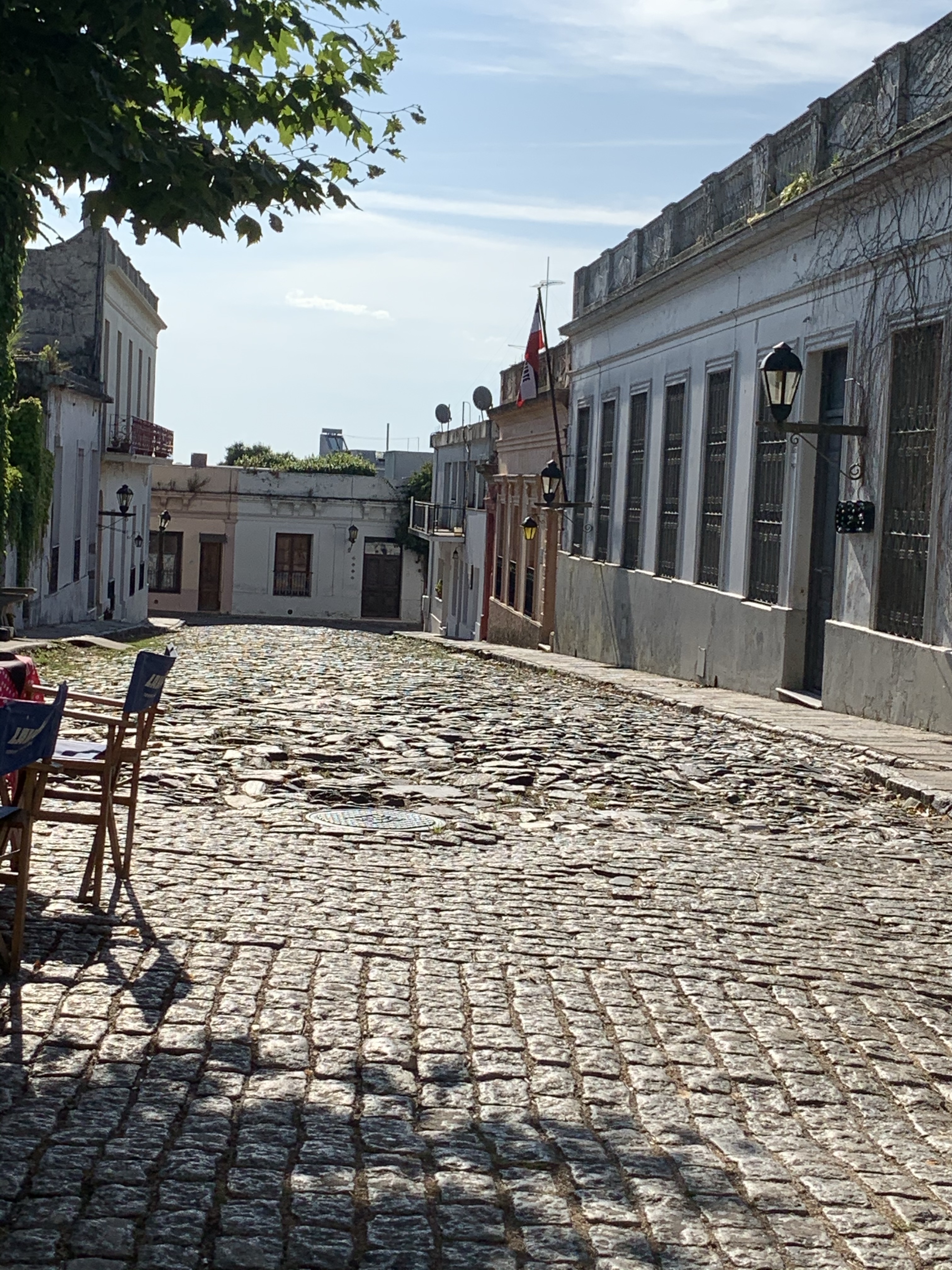 (The convergence of Portuguese and Spanish roads)
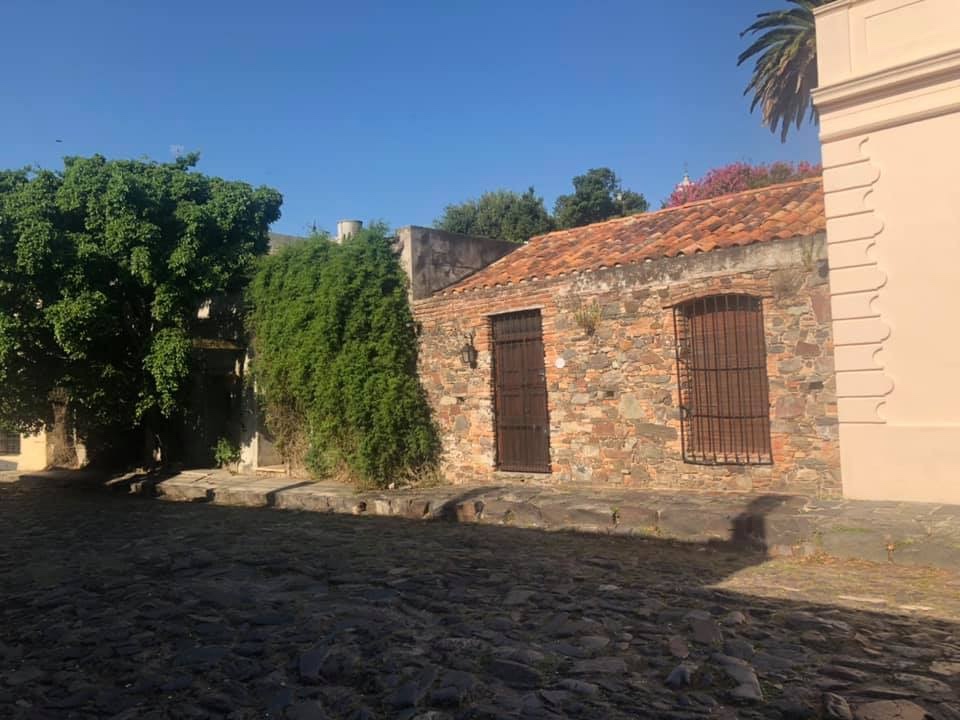 (A Portuguese style building)
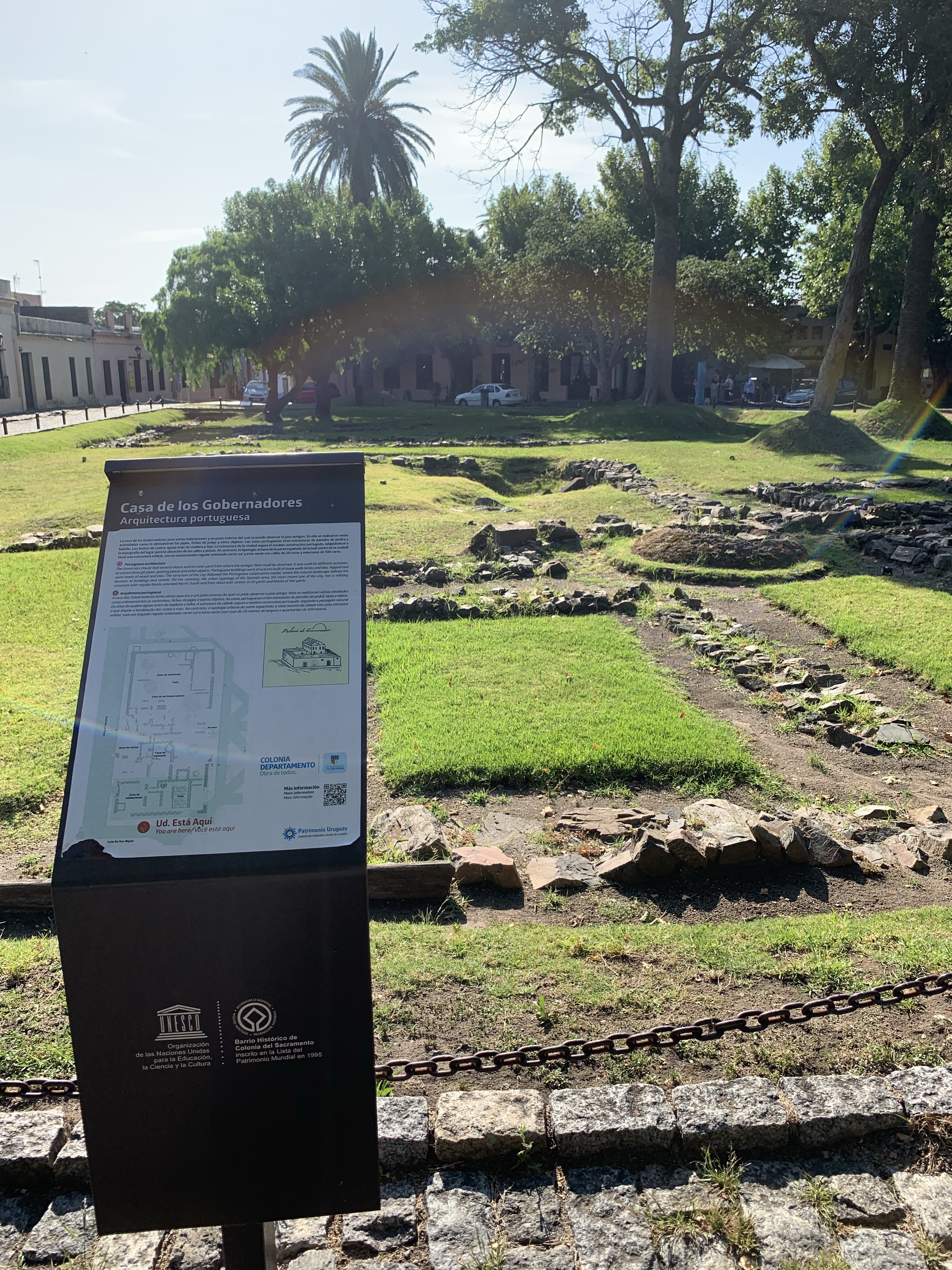 (Floor plan of a Portuguese Building)
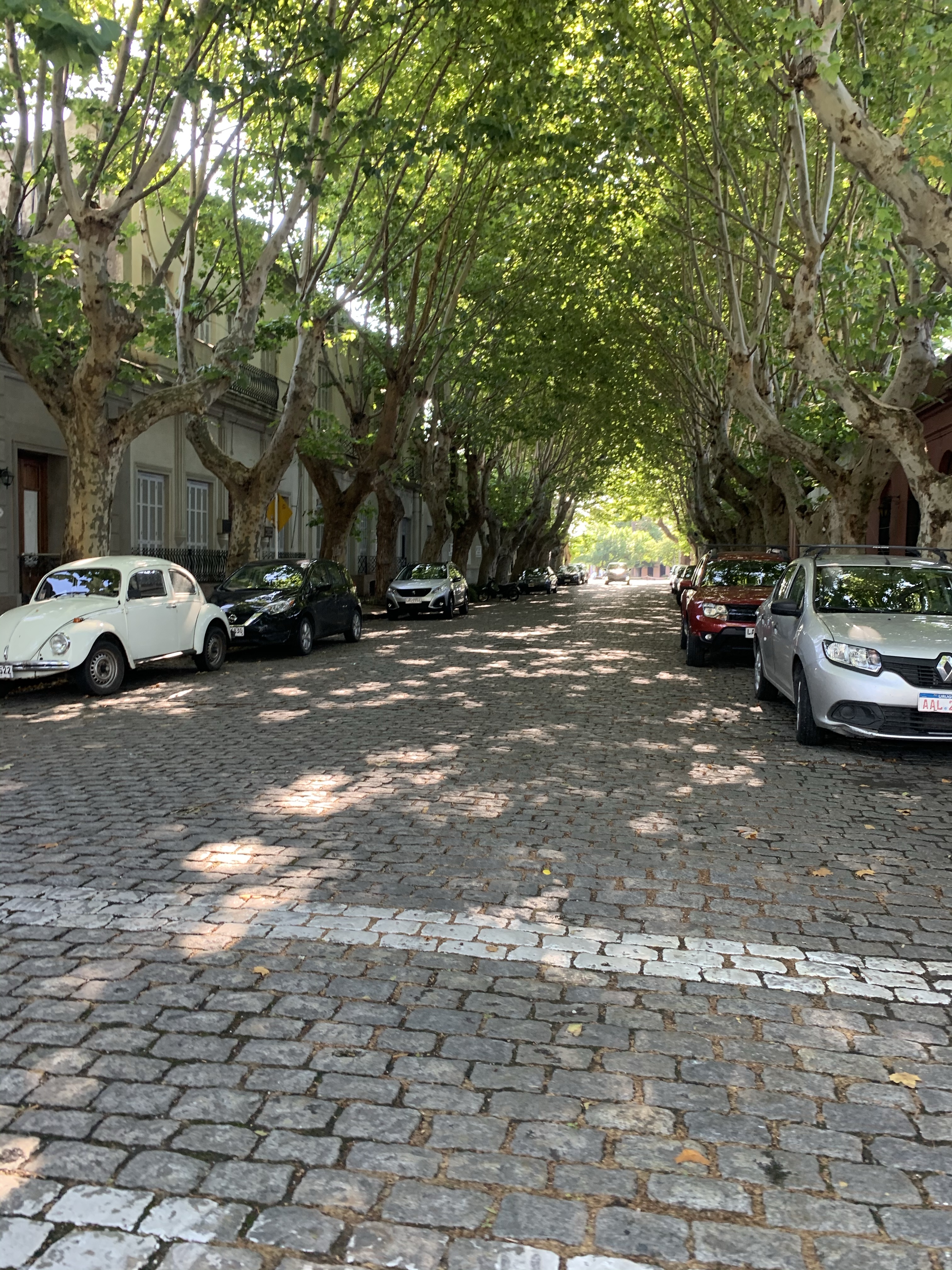 (Spanish block layout)
 (Punta Pierda)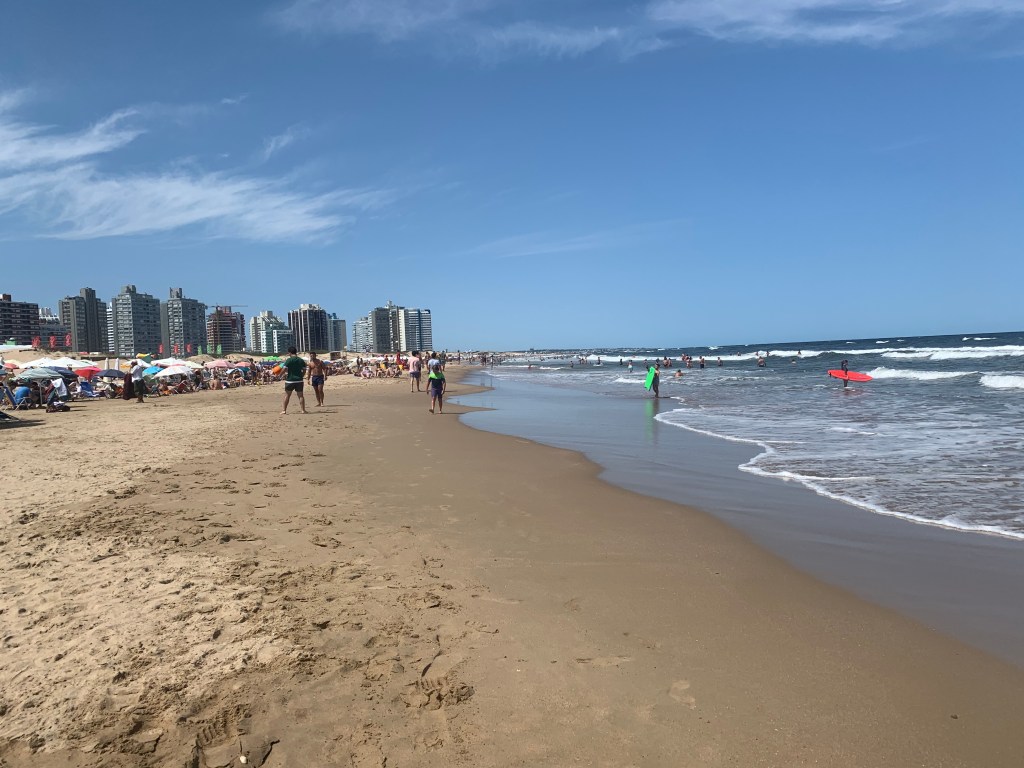


 SIE 2020, Latin America